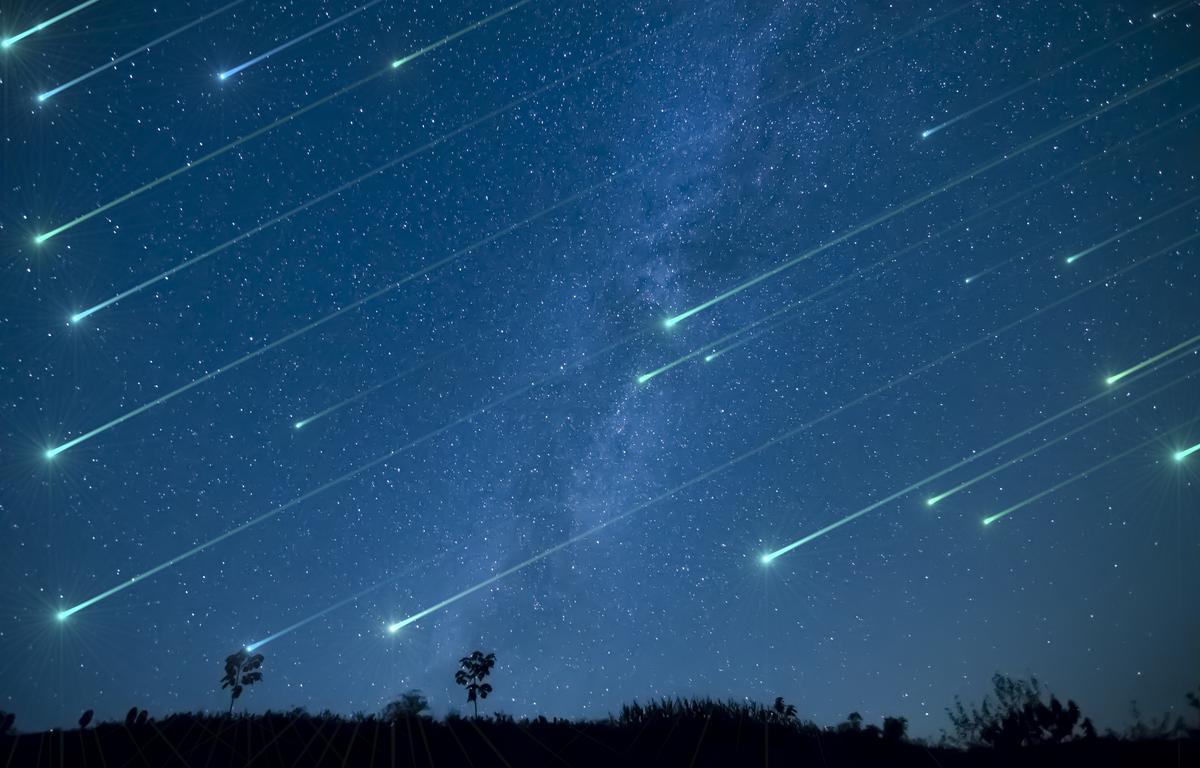

With the UAE’s Hope Probe, NASA’s Mars launch and the ‘splashdown’ return of the manned SpaceX capsule, our eyes have been fixed on the skies over the past month – and they should continue to do so as the year’s most prolific meteor shower is upon us.
Known as the Perseid meteor shower, the month-long period peaks on August 11 to 13, with the moon in its last quarter, allowing for upto 50 meteors an hour to be seen.
Considered by astronomers to be the best meteor shower of the year, the Perseids are fast, bright, and colourful, making for a spectacle that even the most casual viewer can spot.
Each year, Earth passes by debris from the comet Swift-Tuttle, which burns up in our atmosphere, appearing as shooting stars. The Perseids get their name from the constellation Perseus—they appear to originate from that spot in the northern sky.
During August, Mars will appear to get closer and brighter as it rises in the east.
To get the best possible view of the meteor shower, find a dark spot outside and try to block artificial light as much as possible. It’s also best to lay down completely—so spread out on a blanket instead of craning your neck to the sky in a chair. Even though they should be visible all night, the meteors will be brightest before dawn.