

In the watch industry names are everything. The names of famed watchmakers of old – Abraham Louis Breguet, Jean-Marc Vacheron, Antoni Patek and Adrien Philippe – have become globally renowned brands, and that trend still exists with the assent of modern day equivalents François-Paul Journe, Philippe Dufour and Max Busser (and his friends) – albeit on a smaller scale. It is fair to say that despite the increasingly crowded watch industry, the power of a name still holds significant weight.
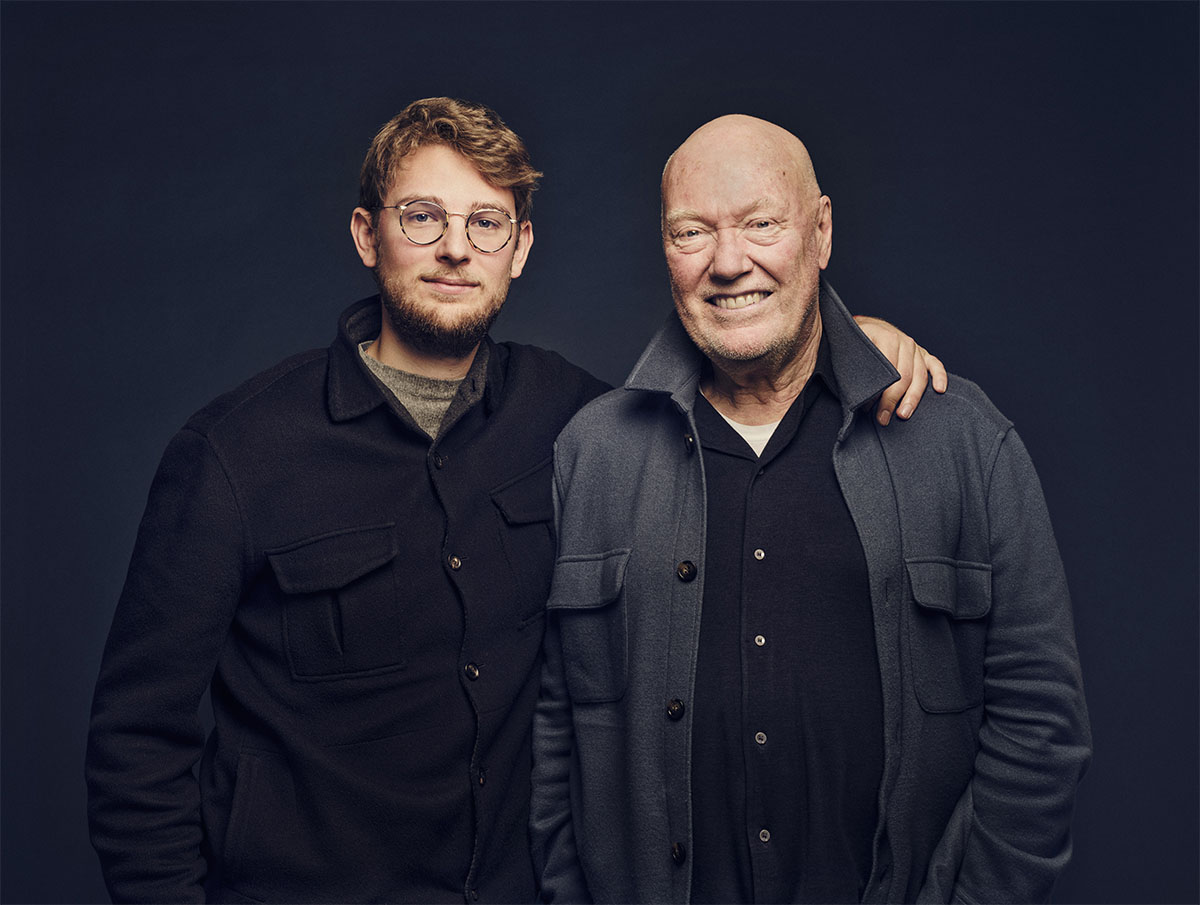
Earlier this year a new independent brand was launched: Biver. For many in the industry it was a long-time coming, as it is a name that holds a mighty reputation in the modern watch world. Jean-Claude Biver is not a watchmaker, but he is a giant in the watch industry – not only in achievement, but in size, opinion, personality, and sheer gumption.
His 50-year career as a marketer and executive saw him successfully turn around struggling watch brands, such as Blancpain, Omega, Hublot, and TAG Heuer – creating the platforms (and market positioning) for them to build the success they have today. Now, he has reemerged from his ill-fated retirement to work with his 22-year-old son, Pierre, on a brand bearing the family name. The ultimate question is, why?

“I want to do what I haven’t been able to do in 50 years,” says Jean-Claude Biver. “I hate repetition, and when I see things being repeated over and over again, I get frustrated. I am interested in disruption, because I believe creativity is disruptive.”
This desire to disrupt was planted in Biver early on in his career. In 1973, when a young Jean-Claude joined Audemars Piguet, the watchmaker had just launched the Royal Oak – the revolutionary, mechanical, ultra-slim sports watch made from steel – and there was uproar. “To charge as much as we were asking, for a steel watch with visible screws on the case? It was totally unheard of! People were calling it ‘absurd’!” Biver says, eyes wide, his voice rising to the booming volume that he is renowned for. But the ultimate legacy of the Royal Oak was how it changed the way people thought about watches, and what they could be. “Still today, the Royal Oak was the biggest and deepest disruption of the art of watchmaking,” he says.
While disruption has always been a driver for Biver, it would be doing him a disservice to think that he was a reckless chaos mongerer. Over the decades, Biver would demonstrate, time and time again, the idea of how a clear, defined brand identity can lead to a successful business strategy – Blancpain (craftsmanship and heritage); Omega (sports heritage); Hublot (innovative design and high-end materials); TAG Heuer (motorsports focus).
So now that the master is captain of his own vessel, what is the direction she will take? “From an aesthetic point of view, it is Neoclassic,” he says, referencing a period of art that drew inspiration from classical antiquity. “It is about combining yesterday with tomorrow. However, the ultimate goal that drives the brand is the desire to become eternal – to live forever.” It’s a lofty goal, and it’s very Jean-Claude Biver.
At 74-years-old, Biver is aware that time is no longer on his side. “Retirement felt like death to me,” he says. Strong words for a man who has survived a cancer scare. “My passion is watches, so why would you choose to retire from something that you truly love? Something that makes you happy? Who knows how long I have left to do this? Five years? Ten? Which is why I wanted to create the Biver brand with my son Pierre. A brand that we want to last for eternity. Because, for me, there are only two paths to eternity: perfection and love.”

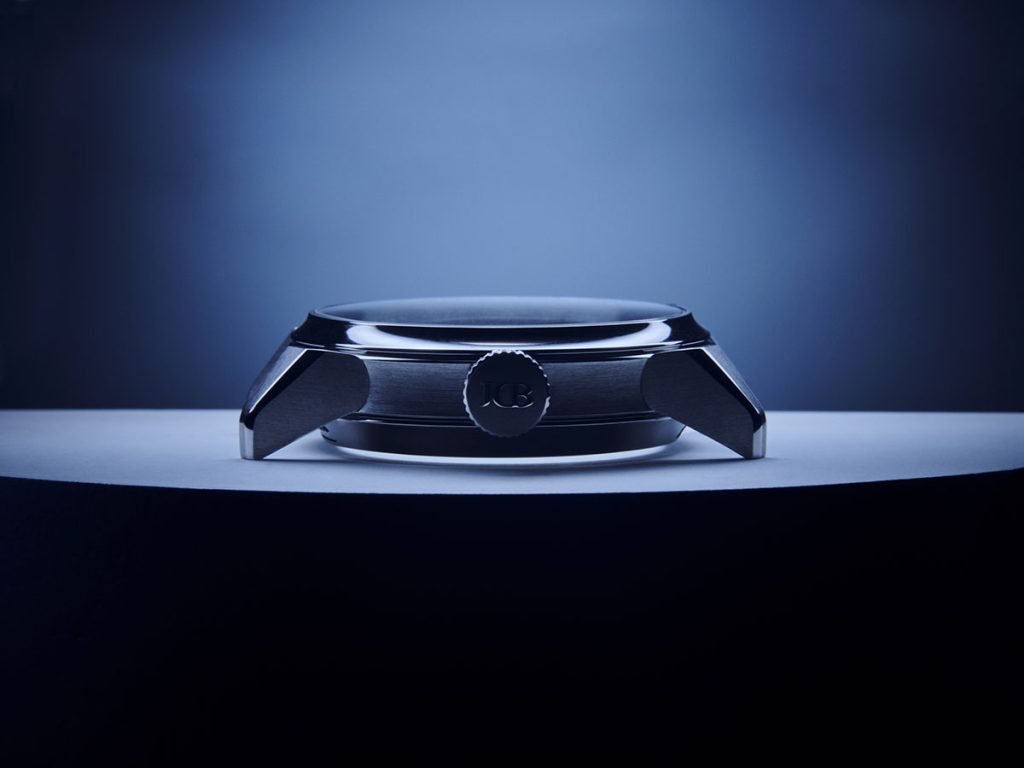
That quest for eternity started this year with the release of the first Biver timepiece – the Carillon Tourbillon Biver. Starting big, the watch is made with high-end materials and features a chiming minute repeater, and tourbillon complications. Each watch will be made in Switzerland, limited to a miniscule number, and priced accordingly for its exclusivity and quality.
“For our first watch we thought about doing a chronograph, which symbolizes dynamism – going forward,” explains Pierre Biver, “Or perhaps a Perpetual calendar, which symbolizes memory. But ultimately we chose to do a minute repeater. A chiming watch creates sound –a vibration–which, for us, symbolizes love, because love is vibration and love is eternal.” Spoken like a Biver.