Is time a flat circle? Is it a straight line?
Regardless of the way you look at it, trends, philosophies and cultural phenomena share elements that survive throughout the fast changing decades. Take the 60s for example; they were years of cultural revolutions and disruption when compared to a pre-war world, where expressing individual styles and identities was considerably harder.
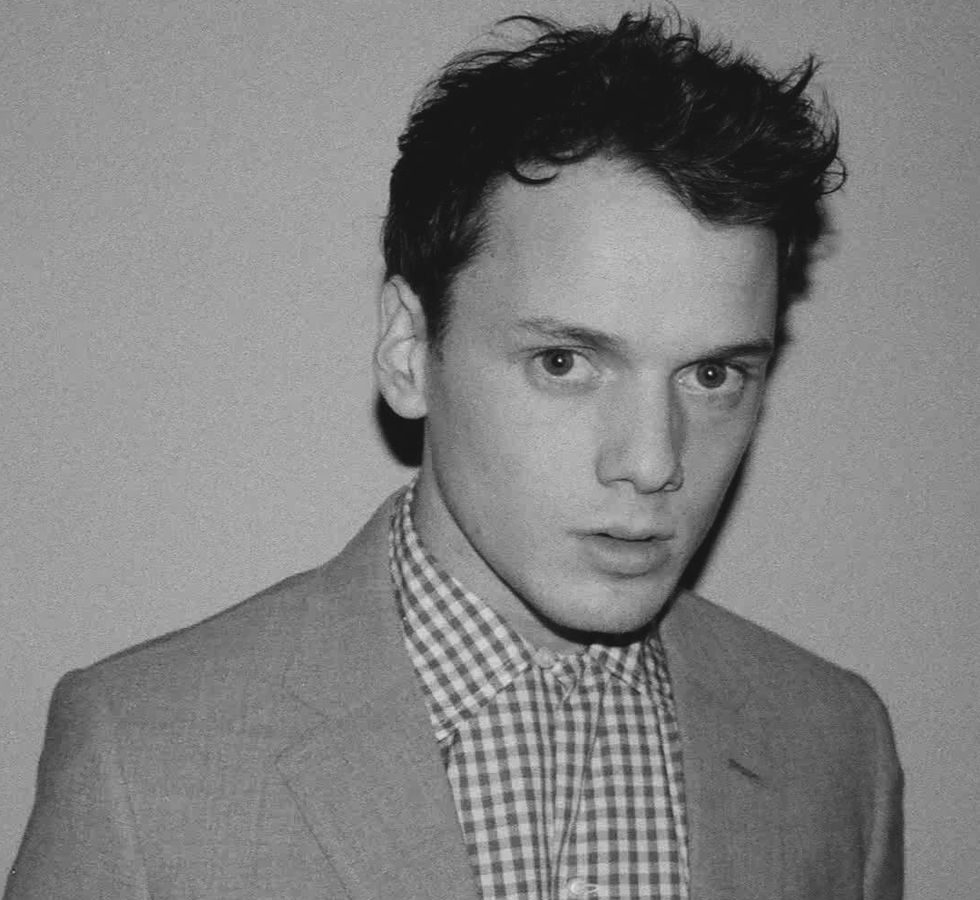
They used to call them hippies, often in a negative way. But the word that shares the same root of ‘hipster’, first identified people who took a different approach to life and people, breaking away from the mainstream, plunging into alternative ways of living, made of bold decisions.
Freethinkers, independent art connoisseurs and cultural makers began shaping the world through determination to break new grounds and pre-existing rules, by embracing a new awareness of things and all while setting the pace of their own times.

We wonder in the world of hyper connectivity, worldwide travel, industrial reproduction and pre-packaged holiday plans, how much of that spirit is alive today? We think that even in the world of glorified cultural sameness, there are still people who want to make a different impact on the world, just like during the roaring post-war years of new ideas and styles.
Embracing green practices, following their own tempo, not bending to the mainstream or falling for whatever wider society puts on offer – these are the distinctive traits of today’s independent thinkers and creative makers. Call them hipsters, if you want. But beware: there is much more to them than long beards, beanies and obscure indie music.
The hands-on approach to reality, be it at the helm of a tech start-up or a creative agency – or while striving for a better, greener, fairer world – is what drives this new generation of trend setters, of makers ready to explore the brave new world we live in.
Much of this drive was behind Rado’s designers when they first launched their 1962 Captain Cook watch, to keep up with the explosion of diving, a hobby for the few brave men, who wanted to explore marine depths.
Hence, the timepiece’s name, after the legendary British explorer and Royal Navy’s Captain, James Cook. Cook didn’t only discover Australia and the Hawaii, but also mapped new lands and coastlines in both hemispheres.

But pushing the frontier a bit further, extending the boundaries of the map, delving deeper into the dark depths of our times, isn’t for everyone.
For this reason, Rado Captain Cook was manufactured in small numbers of specimens through 1968, when production ceased, making the owning of a Captain Cook an exclusive privilege.
Just like in 1962, however, the Captain makes a comeback today, in 2019, more than 57 years after the model first saw the light in Lengnau, Switzerland, where the manufacturer is based.
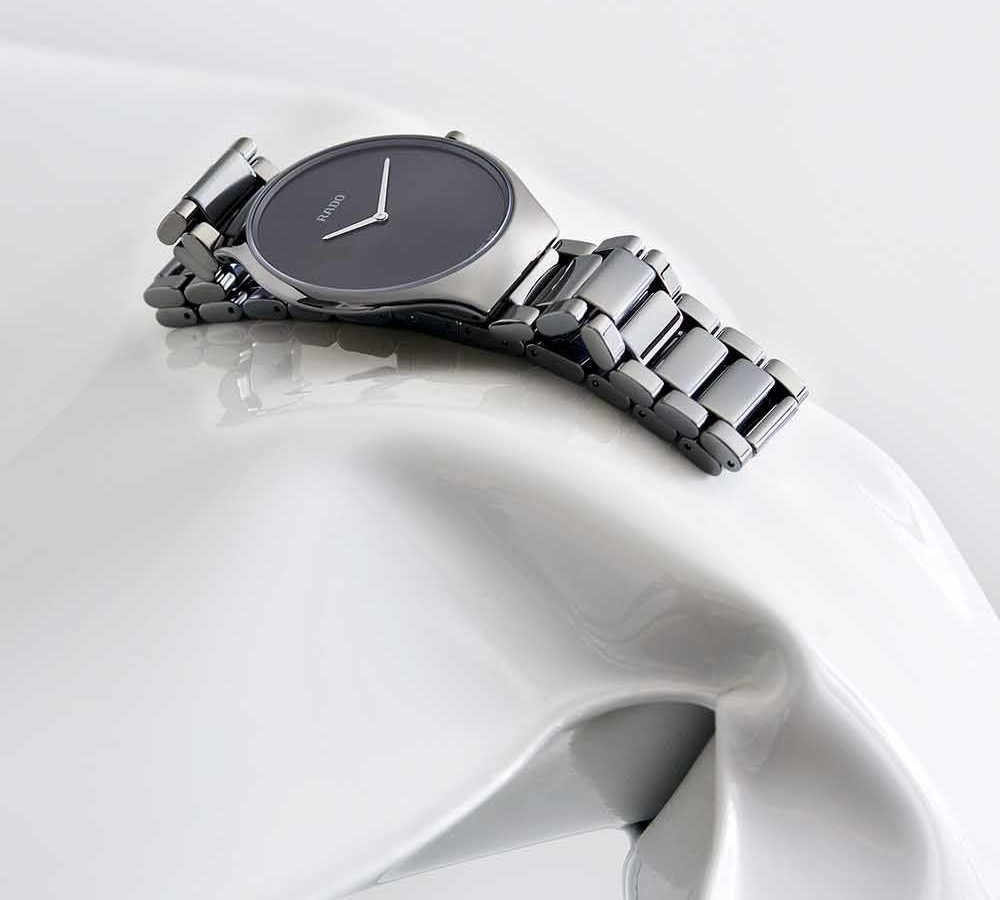
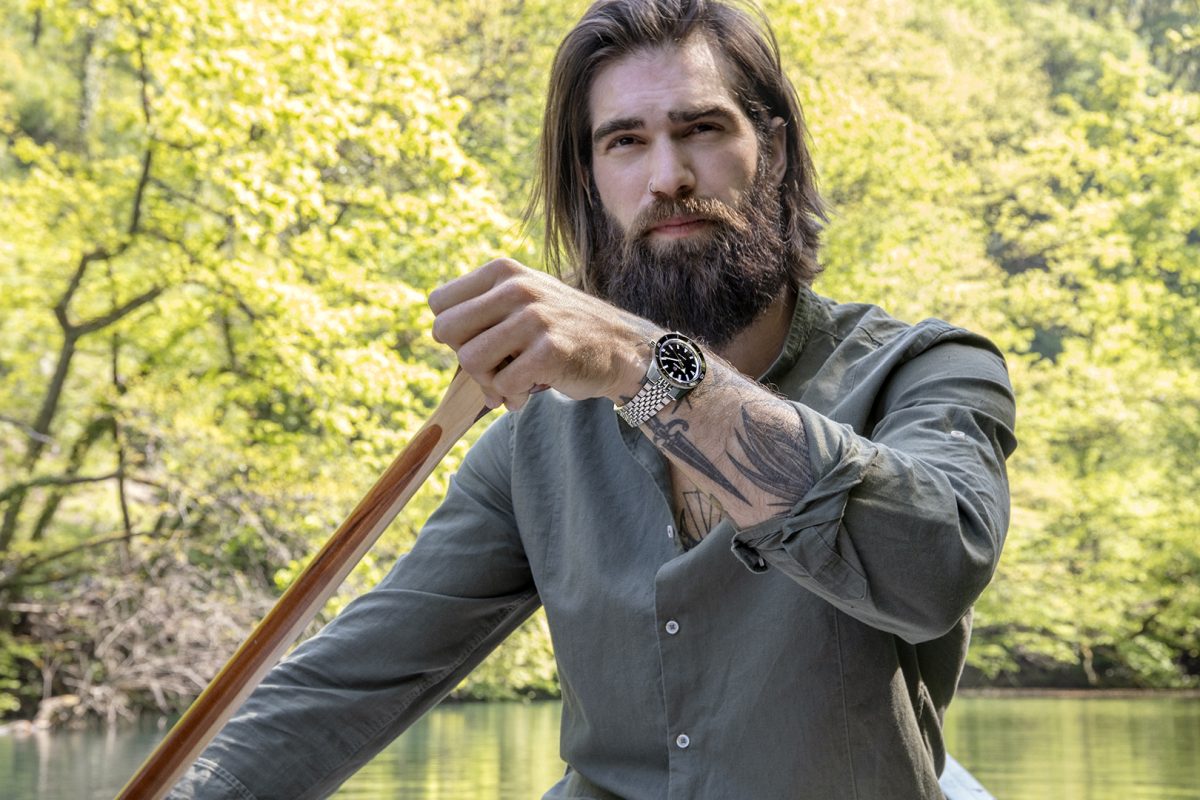
Forget vintage, though, and think pioneering. New proportion trends have prompted Rado to resize the case to a more contemporary 42mm. Rado iconic arrow and sword hands are still there, ready to beat the time of the free man and to guide his exploration of the world in its depth, without plans or only according to his own plans, while valuing discovery and emotions over tradition and rules.

The 1962 Rado man taught the generation before him to be bold and brave in the face or changing and often scary times. In the same way the 2019 Rado man is a trailblazer in wanting and striving for a better, greener, more positive way of imagining the world – an example of freedom for the generation before him.
Choosing the new Rado Captain Cook is reflective of a new lifestyle. One that prioritises sustainability, green choices, a bike over a car. One that champions curiosity, the joy of discovery of art and music as well as emotions and adventures. One that prizes the freedom of unstructured time.