

Is your mind as sharp as your body? Are you recovering properly after workouts? Can you meditate without checking your phone? Are your meals truly nourishing? Have you checked in on your mental and spiritual health lately? Here, we present the latest wellness habits and trends you must know, because the definition of fit and healthy has evolved. From personalized daily practices to advanced recovery tools, today’s wellness goes far beyond occasional gym visits. Whether you’re just starting your wellness journey or need a serious update, here are the 10 wellness trends you need to know to stay ahead of the game.
- Exercise for Mental Health
Fitness is no longer defined solely by appearances. It has become a vital vehicle for mental resilience, emotional balance, and cognitive performance. Awareness of the impact of exercise on mental health has grown globally, leading governments and institutions to see investing in population wellness not just as social responsibility, but as a pragmatic strategy to reduce long-term healthcare costs.
“Having a six-pack won’t always save you from depression, but the pursuit of optimal health in most cases will make most people feel a damn sight better, physically and mentally,” says James Smith, Sunday Times bestselling author, entrepreneur, and global speaker.
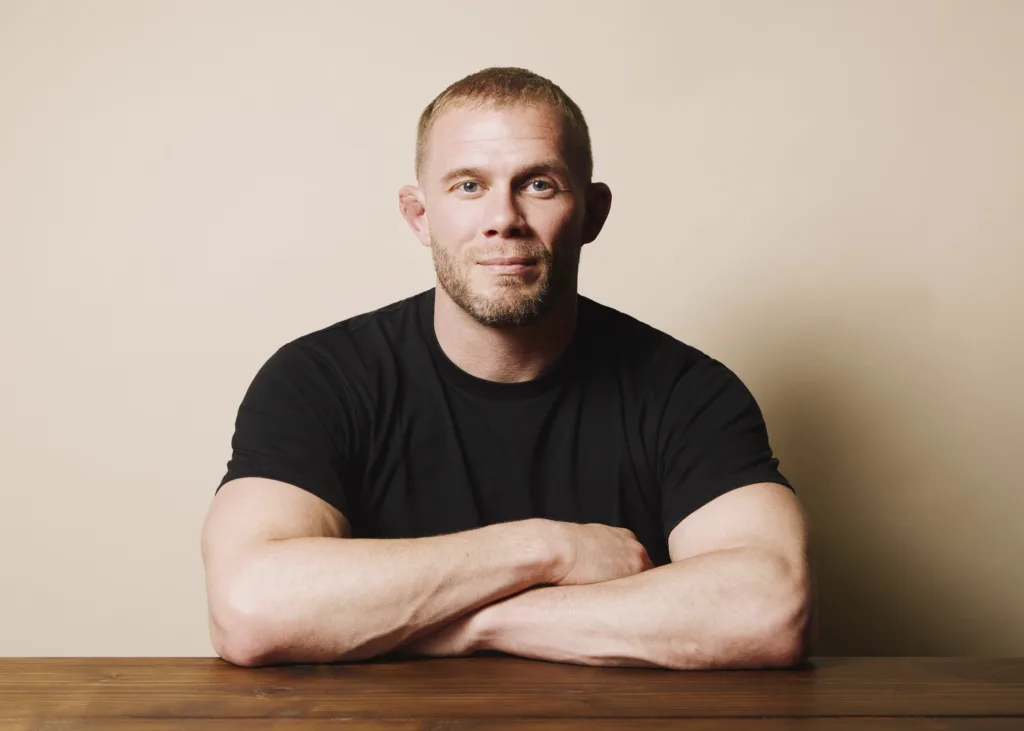
Smith continues: “Every aspect of our life should be run like a well-organized business. You need all departments working at optimal efficiency. Should one department go offline, the business suffers. Mental health is connected to fitness in the same way: if you neglect areas like sleep, relationships, or social life, your mental health will suffer. Fitness and wellness require ongoing investment several times a week to maintain.”
Ali Hassoun, co-founder of PEAQ Wellness, emphasizes moderation and balance: “People are realizing that strength doesn’t just come from pushing harder. It comes from knowing when to slow down. Whether it’s cold exposure, red light therapy, or sleep optimization, the focus has shifted from doing more to doing better.”
The Dubai Fitness Challenge exemplifies this shift. Launched to encourage 30 minutes of activity daily for 30 days, it has grown into a city-wide movement celebrating holistic health—blending physical activity with mental, social, and emotional wellness. Fitness now encompasses recovery, meditation, and lifestyle education.
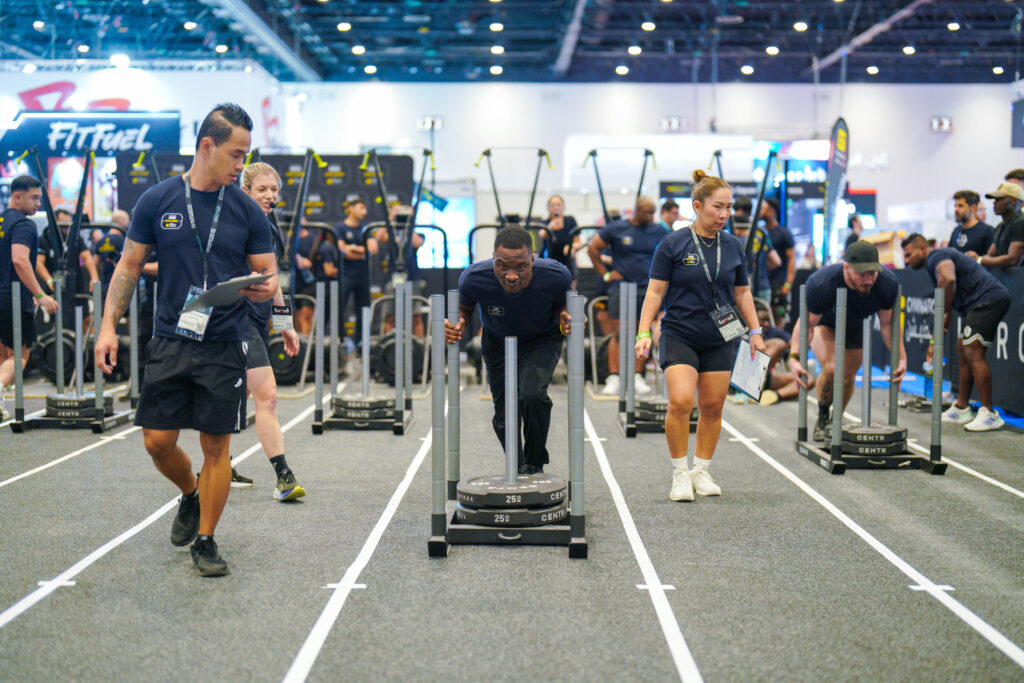
The evolution of fitness culture is also reflected in events like Dubai Active, the region’s largest wellness showcase. “Traditionally, fitness focused on strength, endurance, and aesthetics,” explains Tom Reece, Marketing Director at IEG Middle East. “Today, key elements like adequate sleep, breathwork, meditation, recovery, and longevity are at the forefront. Health tech makes it easier than ever to monitor, track, and hold yourself accountable.”
This trend underscores a fundamental truth: modern fitness integrates body and mind. Strength, resilience, and mental clarity are intertwined, and performance in one area cannot be maximized without attending to the others.
2. Pilates for Men
Pilates’ reputation has undergone a remarkable transformation. Often mistaken for a glorified stretching session or a women-only workout, this misconception couldn’t be further from the truth. With celebrities like Cristiano Ronaldo and David Beckham embracing it, Pilates is quickly becoming a staple in men’s fitness routines.
Men are increasingly gravitating toward Reformer Pilates and Lagree, methods that improve coordination, agility, joint mobility, core stability, and muscular flexibility. These workouts complement traditional training by providing functional strength, making them a valuable addition to any modern fitness program.
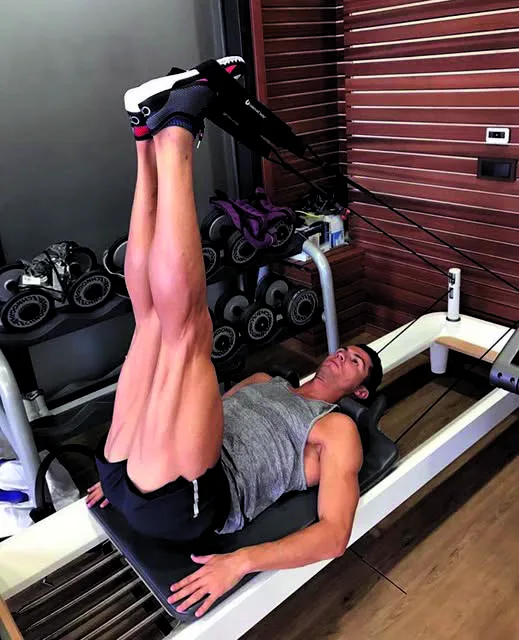
The broader significance lies in the shift of male wellness culture. Fitness is no longer exclusively about aesthetic ideals like six-packs. Men are exploring movement that enhances longevity, reduces injury risk, and promotes holistic health. As more men join Pilates classes, they embrace a functional, performance-oriented approach integrating strength, mobility, and mindfulness.
3. Community Wellness Clubs
Wellness trends are becoming social. Community wellness clubs are shifting the health industry focus from isolated fitness to holistic, social, and collective well-being, addressing a fundamental human need for connection and belonging.
Traditional fitness models focused on solitary exercise routines, but the modern approach prioritizes richer, community-driven experiences. The market is moving away from purely transactional gym memberships toward spaces that foster socializing and shared workouts, which increase motivation and encouragement.
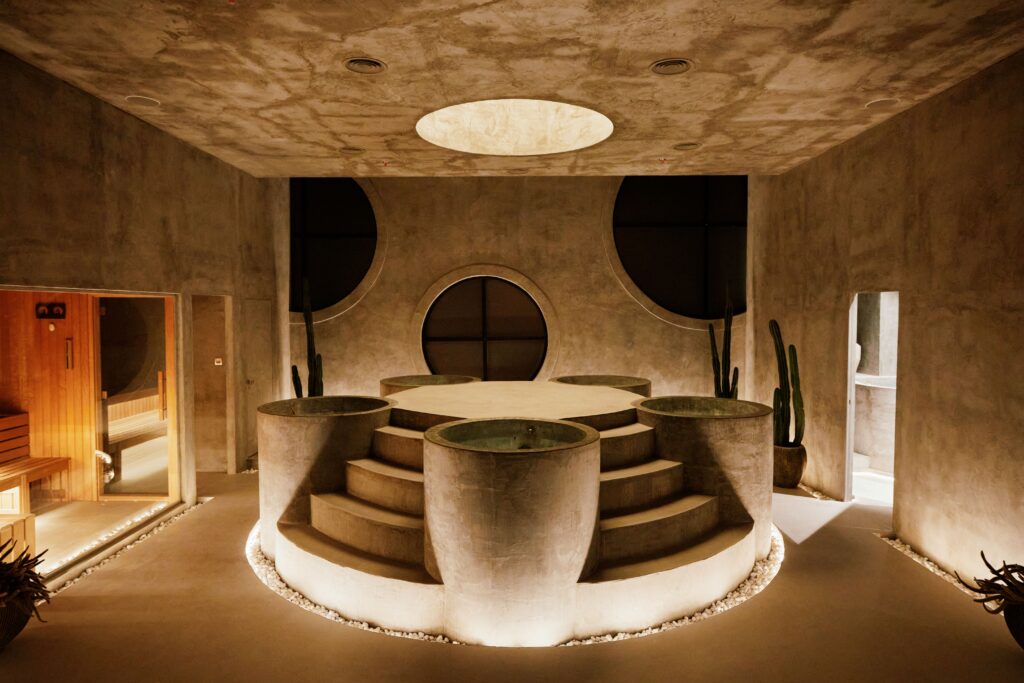
PEAQ Wellness in Dubai is leading this model. “The ‘social’ part isn’t just hanging out,” explains Ali Hassoun, co-founder of PEAQ Wellness. “It’s about shared momentum. You come for the ice bath or Lagree class, but you stay for the people, the energy, and the shared experience. We built PEAQ to be a space where you can challenge your body, reset your mind, and feel part of something bigger. That’s what makes wellness sustainable, when it feels less like a routine, and more like a lifestyle you actually enjoy.”
Community wellness clubs highlight an important principle: human connection amplifies commitment. By providing spaces where social engagement and physical activity intersect, these clubs foster adherence to wellness routines while cultivating a sense of belonging.
4. AI Trainers
AI has arrived in fitness, transforming both at-home workouts and gym-based programs, and is revolutionizing how gyms operate, engage, and motivate members.
Devices like Technogym Connected Dumbbells compress a full range of dumbbells into a single device while delivering real-time guidance, performance tracking, and personalized progression.
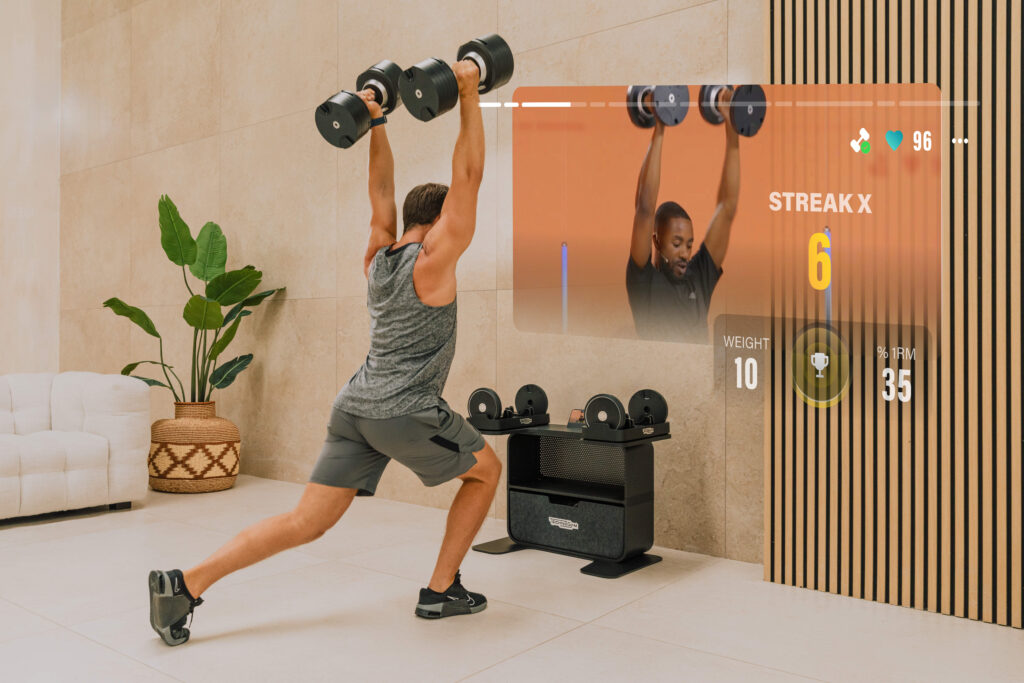
“Technology is an important tool, but it’s all about how we use it,” says Nerio Alessandri, Chairman and CEO of Technogym. “When thoughtfully integrated, AI platforms track progress, provide insights, and keep users consistent. It bridges the gap between ambition and action, making wellness accessible and personalized for all users.”
AI-powered tools allow people to train smarter, not just harder, optimizing every session for maximum impact while reducing injury risk. This technology is revolutionizing home-based fitness, enabling precision training that adapts to individual needs, capabilities, and goals.
5. On-Demand Personal Training
For a long time, fitness meant choosing a gym, paying a subscription, and hoping motivation kept pace. Not anymore. On-demand fitness has flipped the model, from ownership to access. It’s the era of fitness without friction, changing everything about how we move, recover, and connect.
“As people continue prioritizing their health, I think the demand for smarter, more personalized solutions will only grow. We’re moving toward a future where wellness is no longer a luxury but a vital, integrated part of life; and that’s something to be excited about,” adds Alessandri.
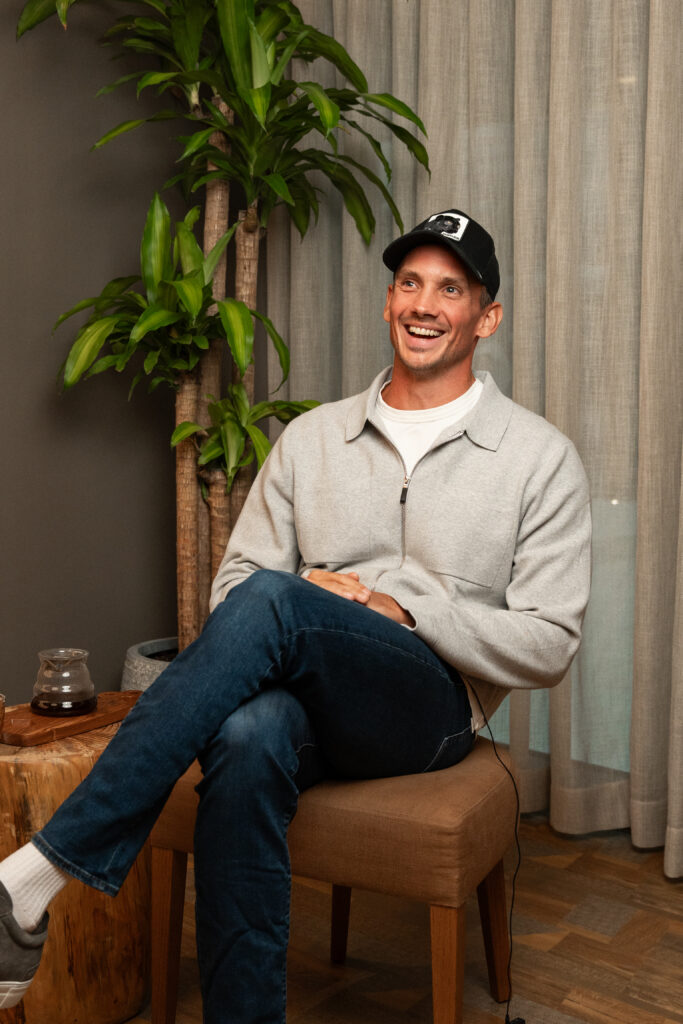
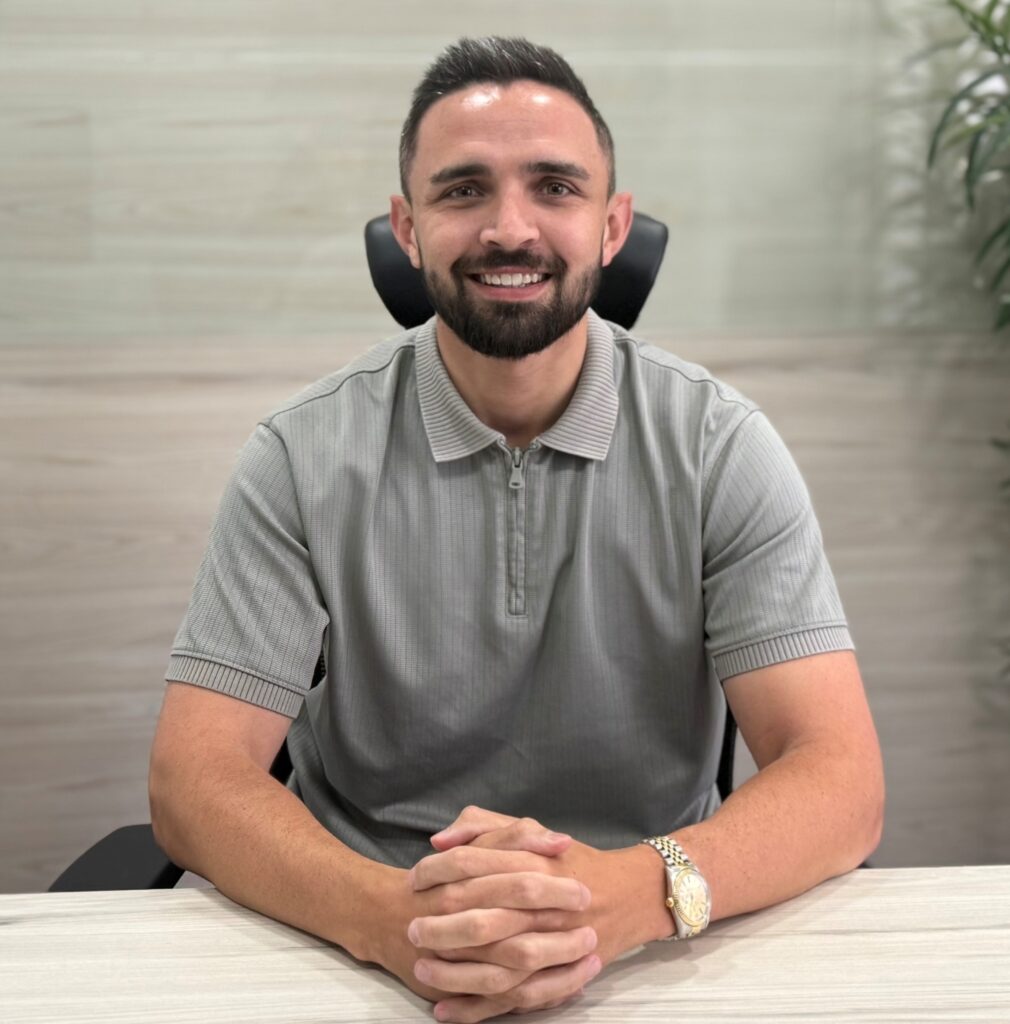
Apps like ATHLO, Strava, and Mindbody are turning wellness into something dynamic, data-driven, and deeply personal. Matthew Mansell, Founder and CEO of ATHLO, says: “Users don’t want rigid subscriptions or one-size-fits-all memberships. They want freedom to book a boxing class one day, try a sound bath the next, or join a reformer Pilates session at sunrise without being locked into a single ecosystem. That freedom fuels a behavioral shift globally.”
In the UAE, ATHLO users are building bespoke combinations of workouts, recovery sessions, and mindfulness experiences that suit their individual rhythm. It’s fitness on their terms, powered by tech that removes friction and gives access to the best experiences in their city on-demand.
“In-person wellness isn’t dying in the digital age; it’s being reimagined by it. The more connected we become, the more we crave real-life experiences. Tech, paradoxically, is driving us back to community, shared sweat, and tangible human connection,” adds Mansell.
6. Contrast Therapy
Over the past year, wellness trends have shifted. Instead of occasional spa retreats, people are seeking regular, accessible ways to reset both mind and body, explaining why contrast therapy is having its moment
Contrast therapy, which involves alternating between hot and cold exposure, typically a sauna and an ice bath, offers significant benefits, including reducing inflammation, enhancing mental health, and aiding muscle recovery. Health clubs are now championing it as a daily practice to boost longevity and overall vitality.
“Water therapy meets you where your limits are,” says Hassoun. “The first seconds in the plunge teach you more about your mind than any workout can. Physically, it boosts recovery and circulation. Mentally, it trains presence. When you stay calm in the cold, you realize most resistance comes from your thoughts, not your body. It’s less about the cold, more about who you become through it.”
Mobile cold plunges are gaining popularity through pop-ups at popular swimming spots, making contrast therapy more affordable, social, and shareable.
7. Recovery
Recovery, once exclusive to athletes, is now a mainstream wellness trend. People increasingly seek accessible ways to repair the body, reduce stress, and optimize sleep for faster readiness, injury prevention, and better results. Cryotherapy, for example, relieves soreness and accelerates muscle re-oxygenation, while massages and cupping are now more widely available.
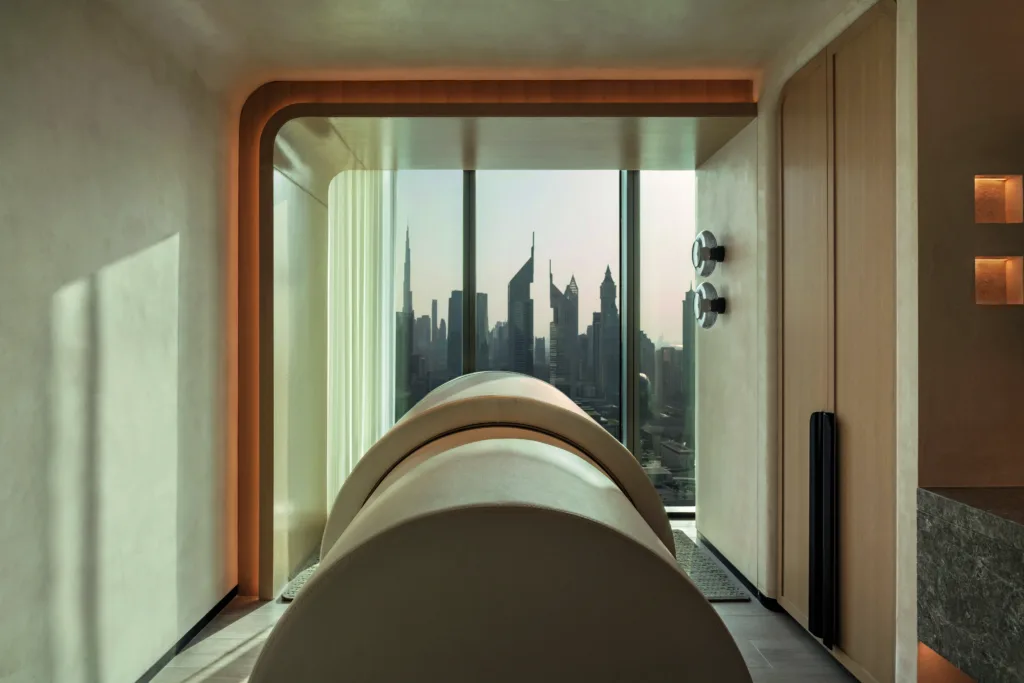
SIRO One Za’abeel, for example, the world’s first Fitness & Recovery Hotel in Dubai, places recovery at the heart of its offerings, making it a hub for wellness retreats.
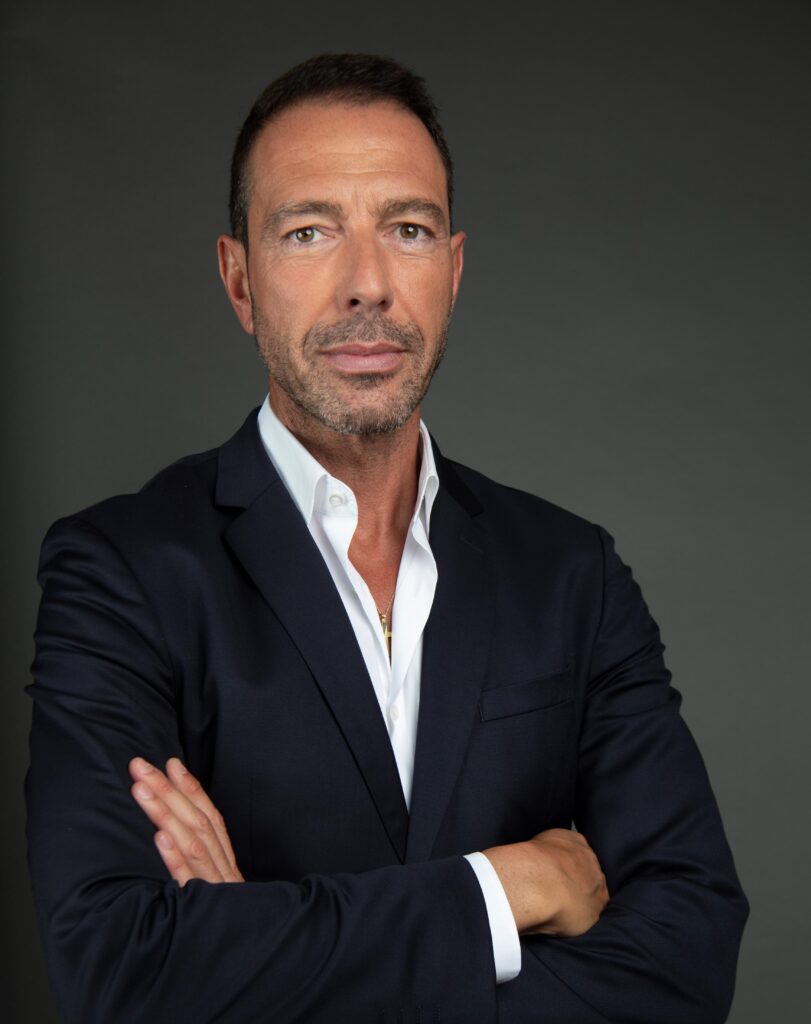
“At SIRO, we integrate recovery into everyday life. Our Recovery Labs feature infrared saunas, cold plunges, cryotherapy, Triple Detox by MLX i³Dome, and more. Rooms are designed for restorative sleep with thermo-regulating mattresses, blackout and circadian rhythm lighting, soundproofing, and minimalist design to quiet the mind. Every element helps guests reset faster, recover efficiently, and feel stronger. It’s no longer about slowing down, it’s about recovering smarter,” says Mattheos Georgiou, Senior Vice President of SIRO.
8. Longevity
Regenerative medicine and longevity science are transforming wellness by addressing the root causes of aging and disease. Stem cell therapies, tissue engineering, and gene editing allow the body to repair, regenerate, and sometimes reverse damage.
“Stem cells are the body’s repair guys,” says Dr. Adeel Khan. “They regenerate tissue, repair damage, and even turn into different types of cells as needed. As we age, our bodies have fewer and less effective stem cells. The challenge is getting them to behave the way we want inside the body.” The potential is evident in patients recovering from severe conditions like long COVID, regaining functionality and life quality.
At SHA, longevity programs integrate four key pillars: biomarker-driven prevention, physical performance, gut health, and sleep optimization. Dr. Mariel Silva, Medical Services Director, explains:
- Biomarker-Driven Prevention: Health is proactively managed using data. SHA’s programs include advanced diagnostics like the Performance Biological Profile and Oxytest to measure cellular stress. This determines biological age and informs a personalized plan that prevents performance drops before they occur.
- Physical Performance: Stress resilience requires a strong body. Personalized training and high-tech recovery, including VO₂ Max assessments, cryotherapy, and hyperbaric chamber sessions, accelerate cellular regeneration and recovery.
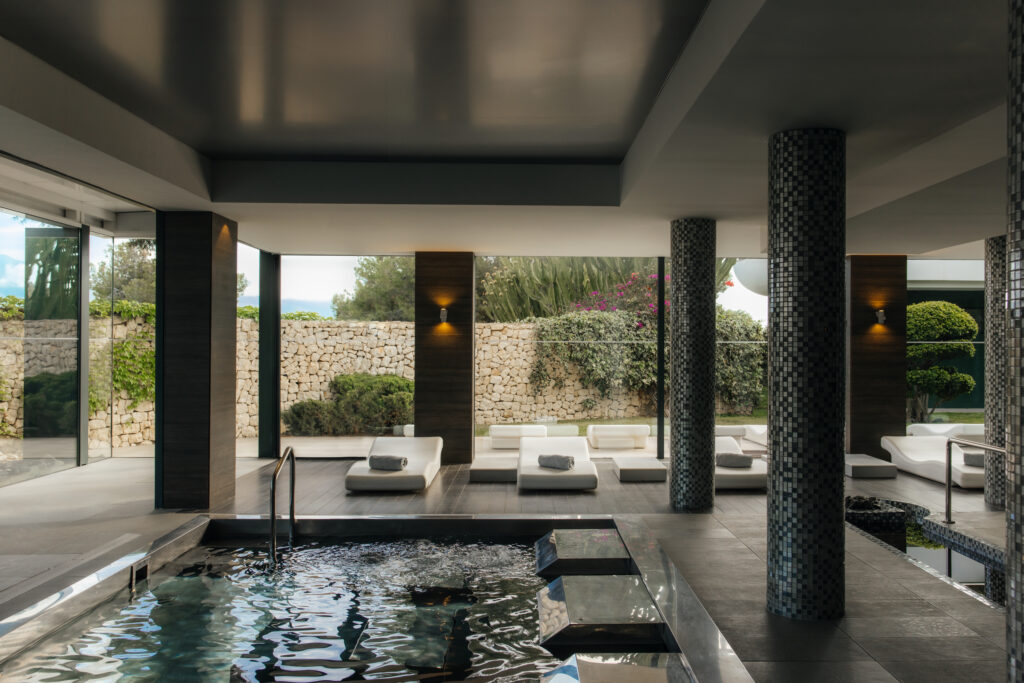
- Gut Health: The gut-brain axis influences energy and mental clarity. SHA uses anti-inflammatory, macrobiotic diets and treatments like colon hydrotherapy to detoxify and optimize microbiomes, reducing ‘brain fog.’
- Sleep Optimization: Sleep is critical for performance. SHA modules like Sleep Well, neurocognitive assessments, and Mind & Body sessions enhance emotional stability, decision-making, and peak brain function.
9. Wellness Tourism
Wellness tourism has grown into a multi-billion-dollar industry. Premium travel now prioritizes long-term vitality over simple relaxation, fueling the rise of longevity retreats. Today’s travelers seek measurable outcomes: improved sleep, faster recovery, sustained energy, and mental clarity.

SHA transforms spa breaks into ‘med-cations,’ shifting from indulgence to intentionality. Programs like the Leader’s Performance Program include post-stay follow-up, emphasizing a commitment to health beyond the stay. Treatments combine anti-inflammatory diets, acupuncture, NAD+ therapy, and personalized regimens. SHA also educates guests through the Healthy Living Academy, equipping them with habits to maintain improved states.
SIRO Hotel embeds wellness into every moment from Fitness and Recovery Labs to nutritious dining and rooms designed for restorative sleep. “Looking ahead, wellness travel will integrate into everyday life. People will expect destinations to support routines, recovery, and long-term health, not just offer temporary retreats. Our upcoming openings in Los Cabos, Riyadh, Tokyo, and Miami bring accessible, science-led wellness to travelers globally,” says Mattheos Georgiou, Senior Vice President of SIRO.
10. Wearable Technologies
Wearables are revolutionizing fitness, recovery, and holistic health management. Devices like WHOOP provide personalized insights into strain, recovery, sleep, and overall wellness, bridging the gap between intention and action.
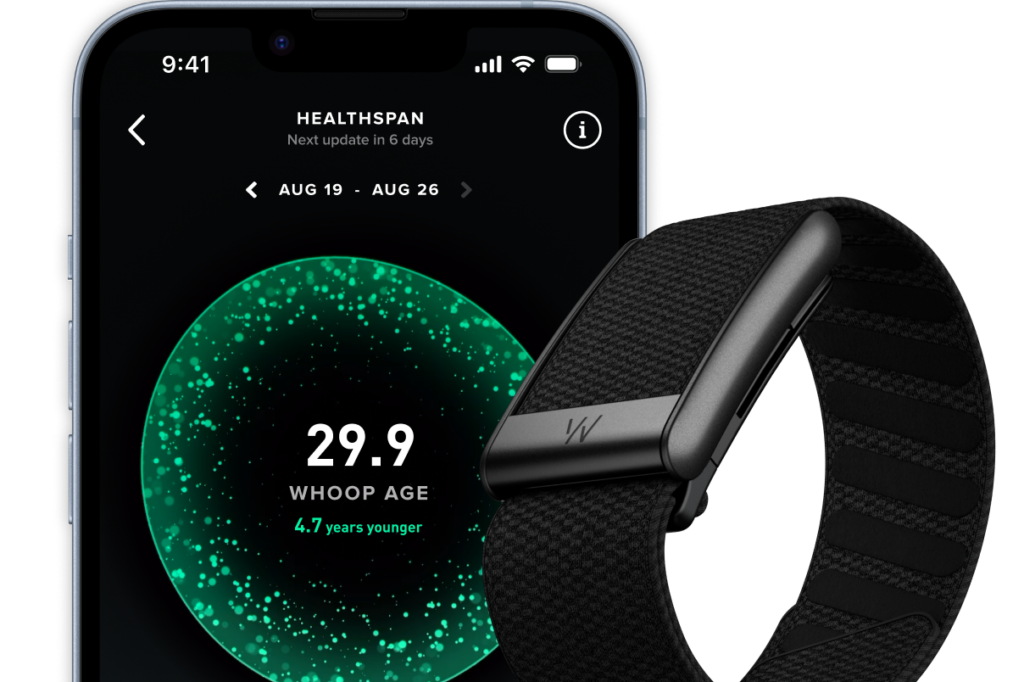
“WHOOP is evolving from a performance tracker to a holistic health companion,” says Stephan Muller, GCC Director. “With Advanced Labs integrating blood testing, members receive a complete picture of health. Future innovations will connect physiology, environment, and behavior to create continuous, precision-driven insights.”
“The future of wearables lies in deeper personalization and expanded, proactive health capabilities. Innovations like Health OS will connect physiology, environment, and behavior to create continuous health feedback, enabling precision insights across sleep, recovery, stress, and overall wellbeing. WHOOP will continue evolving from fitness trackers to essential tools for holistic health management,” adds Muller.