{“themeId”:”43041″,”layoutId”:”4col_12670″,”images”:[“34761″],”contents”:”
The holy month will begin tomorrow, Tuesday, April 13 2021 in the United Arab Emirates.
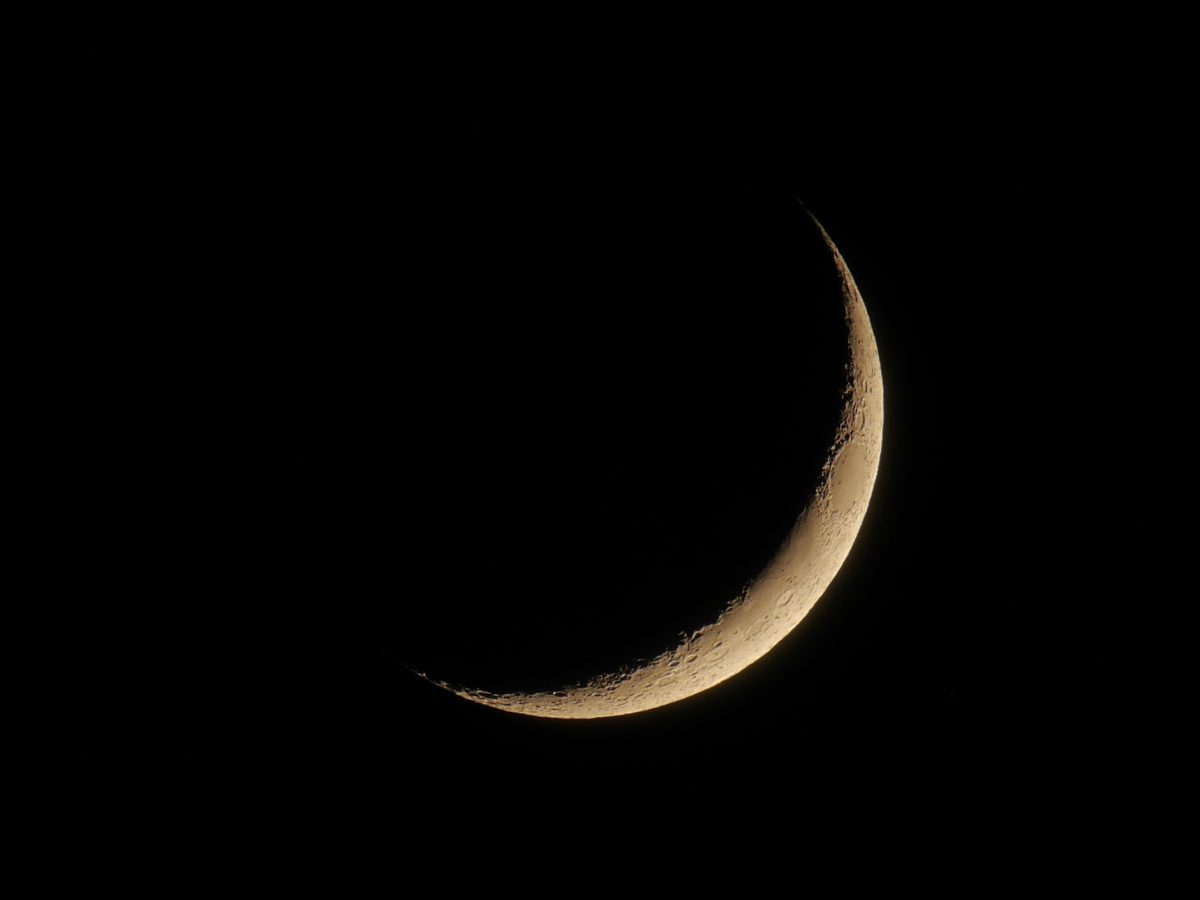
The UAE announced the first day of the holy month of Ramadan after the crescent was sighted on Monday evening.
Ramadan starts when the crescent moon (called hilal) coincides with the astronomical new moon. The exact date is decided by the UAE’s Moon Sighting Committee, agreed upon by the Abu Dhabi Judicial Department and announced through WAM, the UAE’s official news agency.
The holy month of Ramadan will start on Tuesday, April 13 in the UAE, but different countries may have different start dates depending on when their moon committee spots the Ramadan moon.
This is the second Ramadan under COVID-19 restrictions, which require social distancing and have banned Iftar celebrations for large groups or the distribution of food to strangers.
There will be some notable changes to Ramadan in the UAE in 2021, including no more curtains or shields in front of open restaurants during fasting time. Read more here.
Read more on the Do’s and Don’ts of Ramadan 2021 here.
Follow Esquire Middle East‘s full guide to Ramadan 2021 here.
While you’re here, here are some of the most frequent questions around Ramadan:
What is Ramadan?
This is a good question to ask, especially if you’re new to the region. Ramadan is the holy month that falls on the ninth month of the Muslim calendar.
When is Ramadan?
This is where it gets a little complicated. The first day of Ramadan is traditionally marked by the sighting of the crescent moon with the naked eye, so, according to calculations, Ramadan in the UAE will fall on Tuesday, April 13, 2021. The Islamic calendar is a lunar calendar, so even though it has 12 months, there are only 354 days – which means it moves up by 11 days each year. A moon sighting in Makkah, Saudi Arabia – the holiest city in Islam and the birthplace of Prophet Muhammad (PBUH) – will mark the official beginning of Ramadan.
How long does Ramadan last?
Ramadan lasts for one moon cycle, which is usually 29 or 30 days. The holy month is expected to end on May 13, which will mark the beginning of Eid Al-Fitr – a celebration and religious holiday that marks the end of Ramadan.
What do Muslims do during Ramadan?
During Ramadan, adult muslims are expected to fast from dawn till dusk on a daily basis. This isn’t just limited to food. This includes smoking, swearing, insulting, lying and fighting. The final meal before dawn is called ‘Suhoor’, while ‘Iftar’ is a feast that signifies the end of the fast after sunset. Muslims pray every night for the 30 days of Ramadan, reciting different chapters each day until the Quran is completed. Good deeds – especially charitable deeds – are also encouraged during the month of Ramadan.
Why do Muslims fast?
Well, apart from the fact that it’s expected of able-bodied, adult Muslims worldwide, fasting is believed to cleanse the soul. It’s a time for Muslims to work on their self-discipline, sacrifice for their religion, and empathy for the less fortunate.
What happens if someone can’t fast?
People who are ill, elderly, diabetic, pregnant, menstruating, or breastfeeding aren’t expected to fast. If you’re travelling or feeling unwell during Ramadan, Mulsims can fast on different days at a later point.
Do non- Muslims have to fast during Ramadan?
Non-Muslims aren’t expected to fast during Ramadan. However, it’s important to always be mindful and respectful during Ramadan. Eating, drinking and smoking during fasting hours should be done at home or in designated areas if you’re in a public place. The simple rule of thumb is, if in doubt, it’s probably best to avoid doing it. Chewing gum is also considered to be disrespectful to those who are fasting, so it’s best to ditch them for the month. Public displays of affection should be kept to a minimum. It’s especially important to make sure you aren’t wearing inappropriate clothing during Ramadan. Shoulders and knees should be covered – so maybe it’d be best to save the tank tops for June.
Esquire now has a newsletter – sign up to get it sent straight to your inbox.
Want up-to-the-minute entertainment news and features? Just hit 'Like' on our Esquire Facebook page and 'Follow' on our @esquiremiddleeast Instagram and Twitter account.
“,”typekitId”:null}