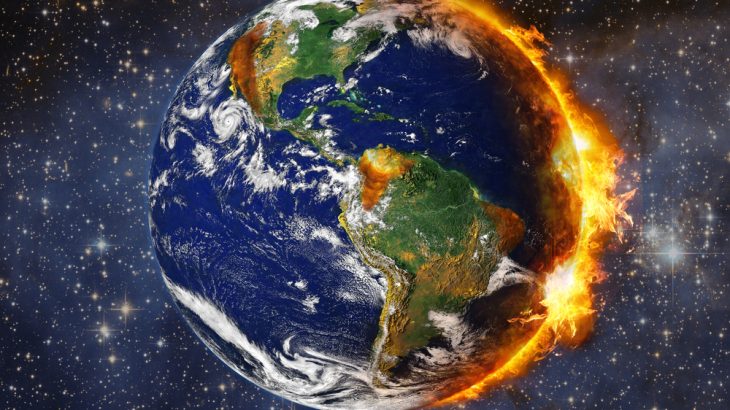

This year is already off to an unprecedented start. While the world is facing down it’s biggest ever threat since WWII with the coronavirus pandemic, scientists now have some more news for us. It seems meteorologists are predicting that it could be the hottest ever year since they started keeping records.
They’re estimatimating that there is a 50% to 75% chance that 2020 will break the record set four years ago, according to a Guardian report.
Since January scientists have noted that temperatures have soared be it in Antarctic or Greenland. The US National Oceanic and Atmospheric Administration has also mathematically proven that there is a 75% chance that 2020 will be the hottest year since measurements began.
The first three months of 2020 are now the second-hottest on record going back almost 140 years to 1880, according to NOAA’s National Centers for Environmental Information.
However, even if 2020 doesn’t take the crown as the hottest ever year, it will definitely be in the top five.
“The year 2020 is almost certain to rank among the five warmest years on record,” NOAA’s National Centers for Environmental Information (NCEI) said in its monthly global climate report, according to an E&E News story published by Scientific American.
January-to-March was the second warmest such period for the globe, behind 2016: https://t.co/AWd6TkukrR #StateOfClimate pic.twitter.com/pzoAgKTHVa
— NOAA NCEI Climate (@NOAANCEIclimate) April 14, 2020
However, this is not a new phenomenon for Earth dwellers. The last few years has seen temperatures soar to higher than expected levels.
The World Meteorological Organisation (WMO) also produced its final report for 2019, confirming that last year was globally the second hottest on record, with the oceans reaching the highest temperatures ever recorded.
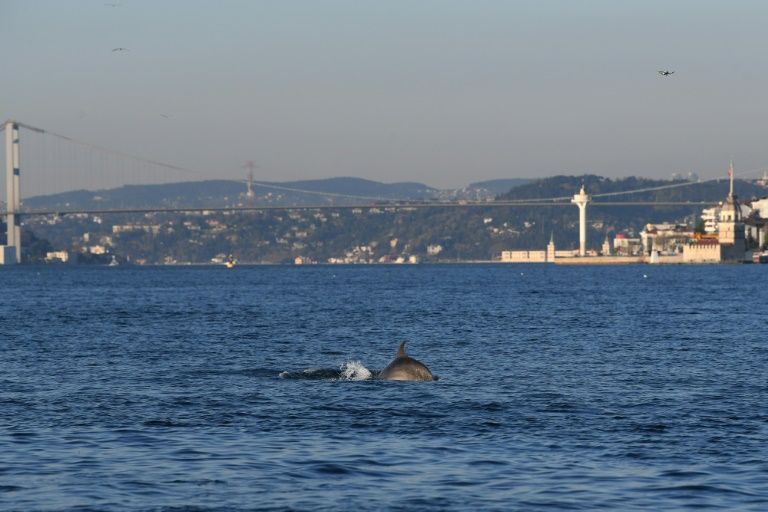
While the coronavirus pandemic has forced us indoors and we’ve been seeing a remarkable change in air pollution levels and beautiful imagery of nature taking back land and sea, our self-imposed lockdowns sadly will not help us keep Earth temperatures down.
The temperatures of both the land and oceans are directly related to the amount of greenhouse gases in the air. So depite the sudden cut in carbon emissions related to the coronavirus pandemic we need more long term strategies in place if we’re to reverse the increase in climate change.