Japanese auto manufacturer Toyota was called the lead investor in Californian-based aerospace firm Joby Aviation’s most up-to-date Series C financing round, which raised US$590 million.
With this latest financing round and past financing rounds, Toyota has invested a total of $720 million in Joby Aviation
“Air transport is a long-term target for Toyota, and while we keep our work in the auto business, this arrangement sets our sights into the skies,” said Toyota president and CEO Akio Toyoda.
“As we take up the struggle of air transport with Joby… we aspire to provide liberty of motion and pleasure to clients everywhere, in the world, and today, from the skies.”
Included in the latest investment, Toyota executive vice president Shigeki Tomoyama will join Joby Aviation’s board of supervisors, while Joby Aviation will acquire entry to Toyota’s price controls and technology and production experience as it grows and generates its own aircraft.
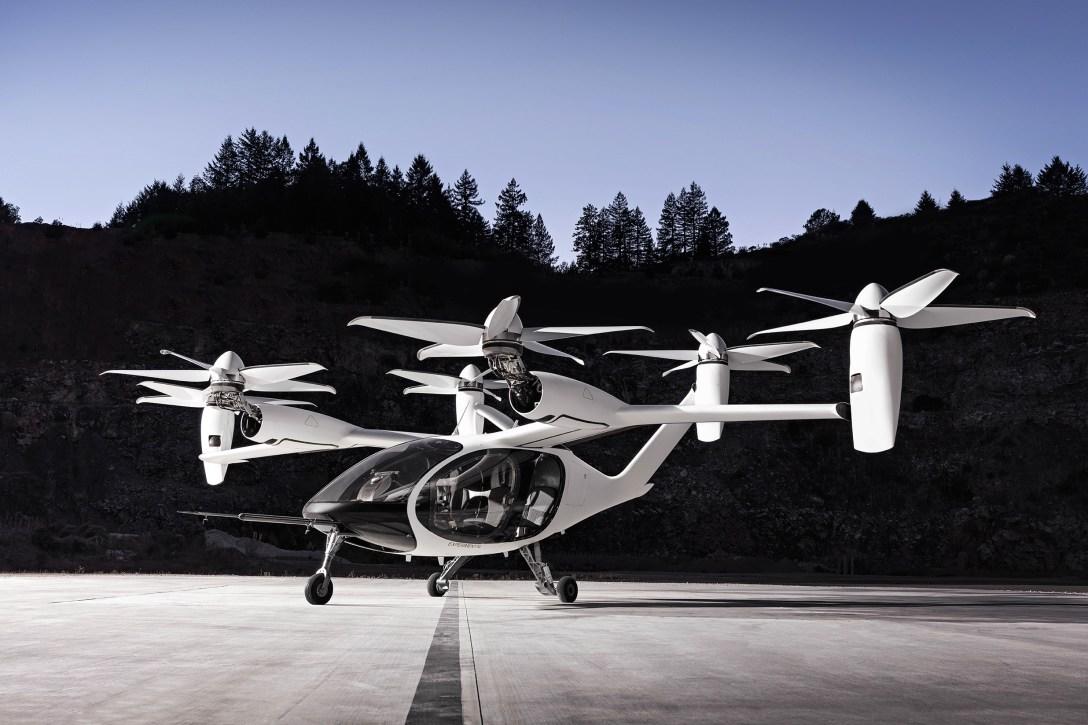
Joby Aviation has said its piloted, all-electric five-seater flying automobile will be capable of attaining speeds of 200 mph and flying over 150 miles on a single charge. The vehicle boasts both perpendicular take-off and landing, and apparently is 100 times simpler to pilot than a conventional aircraft through take-off and landing.
Joby Aviation believes its vehicles will be “instrumental in the emerging suburban urban aviation market”.
Hyundai clarified that, the “Hyundai car is going to be piloted initially, but over time they’ll go autonomous”.
Last year, Uber said it would choose Melbourne as its third test case for its flying cab service, Uber Air.
Test flights are pencilled in for sometime this year, with strategies for industrial operations to start from 2023.
Besides Australia, Uber has additionally chosen Brazil, France, India, and Japan as other potential launching markets for its flying car services.
Uber Air is well known by the organization within an”urban aviation ride-sharing merchandise” which can ease traffic congestion on roads.