Having a healthy diet can be your first line of defense when it comes to having a strong immune system, but it can also help maintain your health during this time in lockdown. A healthy diet can keep your calories and cravings in check and can prevent you from overeating.
Provides Nutrients You Need to Maintain Health
Eating a healthy diverse diet that includes plenty of fresh vegetables and fruits ensures you get the phytonutrients, vitamins, minerals and antioxidants you need to maintain a healthy metabolism and properly functioning immune system.
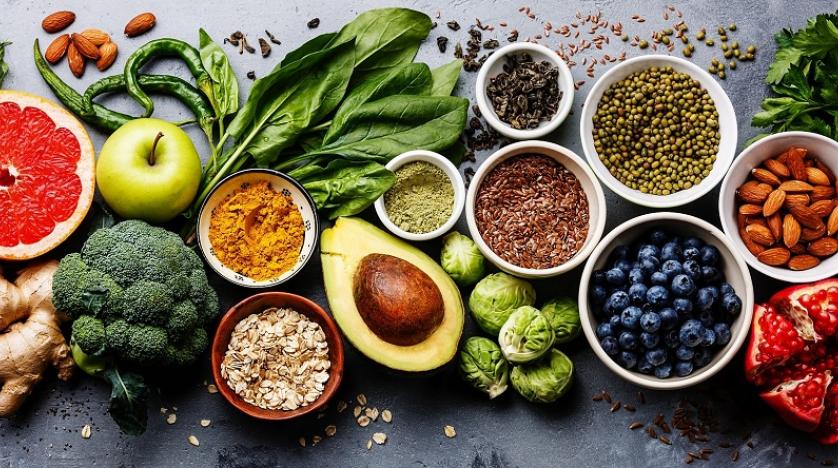
Ginger, garlic and turmeric have each been shown to have unique active phyto-compounds that can help boost the immune system. Foods rich in zinc – such as meat, chickpeas, lentils, nuts and seeds are also important. Zinc is involved in many pathways in the body including the immune response. This mineral is an effective and powerful antioxidant.
Be sure to also stock up on vitamin C rich foods like broccoli, kale, grapefruit, lemons, limes and oranges. Vitamin C is important in the development of white blood cells – needed for our immune system function.
Help Maintain Calories
Your calorie needs will definitely reduce from being stuck indoors. If you want to maintain your current weight during this lockdown, it’s important to plan your meals ahead to avoid overeating. Plan your menu, select a few recipes to try, prep, cook and portion each meal using a digital scale. This will ensure you’re getting healthy, balanced meals, and won’t need to think about what to eat when you get hungry.
It should also be noted that since, you’re probably not as active, you should reduce your carb intake and up your protein intake. Aim for a macronutrient ratio that provides 40% of your calories in protein, 20 to 30% in carbs and the rest in fat.
If you’re not sure how much calories you need to maintain your weight, you can use an online BMR calculator – which will determine your calories needs based on your weight, height, age and activity level. If all that seems like too much work, seek the help of a professional nutritionist and consider using a meal plan service like Kcal Extra.
Structure to Avoid Overeating
Following a structure not just for your day, but also your diet can help to make sure you’re not just eating out of boredom. Without the confines of usually daily life, like work, gym workouts, family and social gatherings, it can be easy to let your usual diet and eating times slip.
Structure your day – get up at the same time you would during a normal workweek and avoid sleeping the day away. Have set times for work, reading, learning something new, exercise or activity, as well as when to eat your meals and snacks. Be sure to eat your meals every 3 to 4 hours, throughout the day to help control hunger, keep your blood sugar levels balanced and avoid overeating. Aim for 3 meals and 2 snacks per day.
Help Keep Cravings and Stress Eating in Check
Stress eating can be triggered by anxiety, sadness or even boredom. Stress causes an increase in cortisol, which can inhibit your body from processing carbohydrates and can also increase your cravings for sugary foods.
A sign of stress eating is when you reach for food even though you’re not physically hungry. If you find yourself regularly eating with less than three hours between meals, consider whether that hunger is real, or the result of boredom or stress of the situation or both in this case!
Eating a diet that provides lots of fiber from fruit, vegetables, slow digesting carbs like lentils, chickpeas, and nuts and seeds, can help slow down digestion and keep you feeling full for longer. High fiber foods provide a sustained energy release.
Food that are lower in fiber, such as white bread, pastries, white pasta and white rice, or any food that is processed and made from white flour and white sugar, will not only get digested fast, it will also spike blood glucose levels. This high-energy spike will be followed by an energy low, as the glucose or sugar is cleared from the blood. These energy high and lows can cause more cravings and result in more eating if you’re not careful.
Become more aware of the reasons you’re eating. Additionally, instead of reaching for sugar sweets, consider having a small high protein snack between meals to help control your cravings. Consider having a handful of nuts, small Greek yoghurt, a protein shake, or even hummus with veggie sticks.
So take care of your diet during lockdown!
Lauren Jacobsen is Kcal’s Nutrition Director.