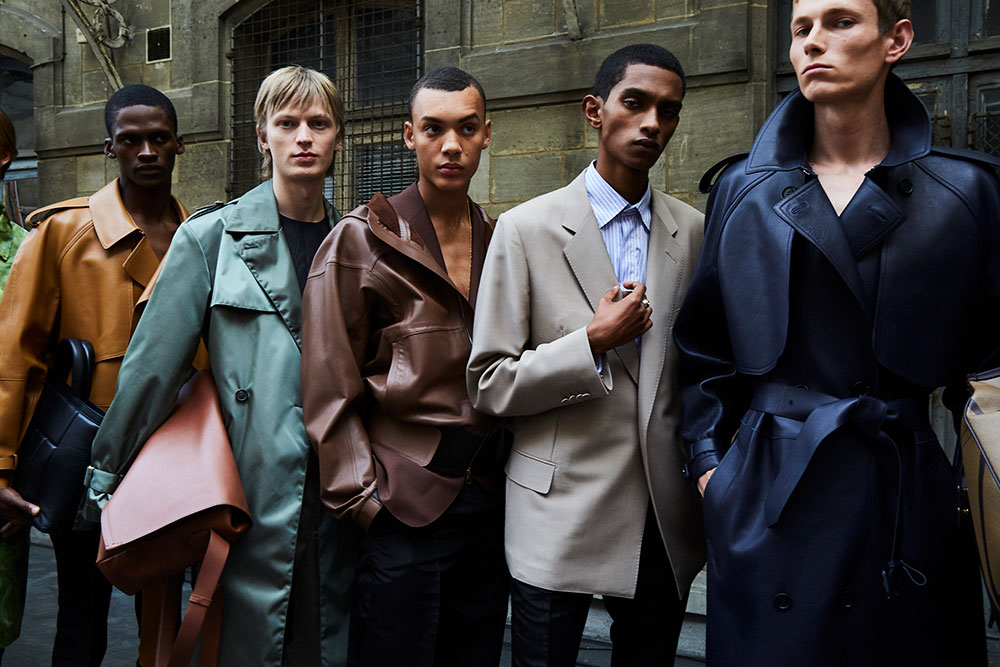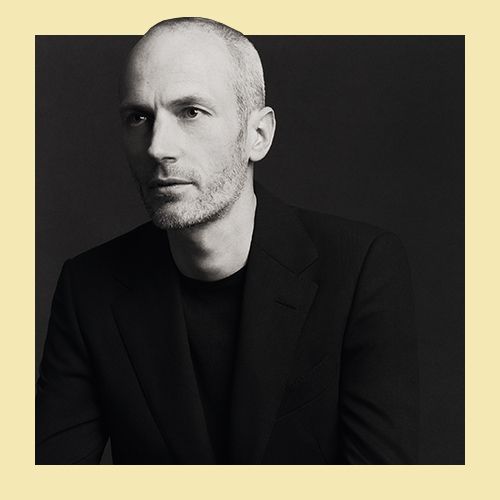

Amid the fashion industry’s Covid-19 impacted reshuffle, Esquire sat down with Dunhill’s creative director, Mark Weston, to find out what he thinks of the this moment in time
***
ESQUIRE: Is this a watershed moment for the fashion industry?
Mark Weston: I hope so, in a positive way- now is the moment to affect change and question those elements that have become institutionalised at the expense of the creator, the audience and the customer. Stripping back metaphorically and physically to focus on substance and purpose. (The level of detail and specificity within every dunhill collection often gets overlooked in the intensity and energy of a live format show, so it’s refreshing to look at ways to slow things down and control what I really want to convey.)
ESQ: What makes Paris a special place to hold a show?
MW: To show physically in Paris is incredible; the spaces and architecture, the nonchalant mood and sense of sophistication is evident. The weight of Paris fashion history and the expectation of excellence pushes you to deliver the best.
ESQ: Street style is impossible this year. Is that a good or a bad thing?
MW: I think it’s a good thing- I hope people will find ways to develop their own style and experiment, to believe in and support individuality and self-expression.
ESQ: What kind of role do you think a fashion show will play in 5-years-time?
MW: The purpose of a show has been to communicate the proposition of a collection of pieces for a particular character on a human form. The fundamentals of which I don’t believe will change. What will adapt and be tested is the way it’s portrayed and how people can engage with it. To keep a level of anticipation, of entertainment but not at the expense of great design and desirable clothes, will be the challenge.
And rather than just for the audience of industry insiders and those fortunate enough to attend in person, the expression and clarity can be shown effectively to anyone wishing to engage with us anywhere in the world.
Showing in a live moment has its own expectation and creates a palpable energy and excitement- without that physical tension and atmosphere the dynamic definitely changes.

ESQ: What is your favourite fashion show of all time?
MW: I can’t say just one. The most striking that have left something indelible and lasting on me have been from Martin Margiela in Spring ’97 /’98 and Helmut Lang in Fall ’94. Margiela’s obsession with clothing, their construction and process, all shown with a brutal honesty which was so radical for the time. Helmut had a way to present something so covetable, so sophisticated and subliminally sexual. I was obsessed from the first moment I saw that collection. The casting, the disparate combination of materials, the direct no nonsense show setting- it was mesmerising. These shows were defining moments for me of what fashion could represent.

Esquire now has a newsletter – sign up to get it sent straight to your inbox.
Want up-to-the-minute entertainment news and features? Just hit ‘Like’ on our Esquire Facebook page and ‘Follow’ on our @esquiremiddleeast Instagram and Twitter account.