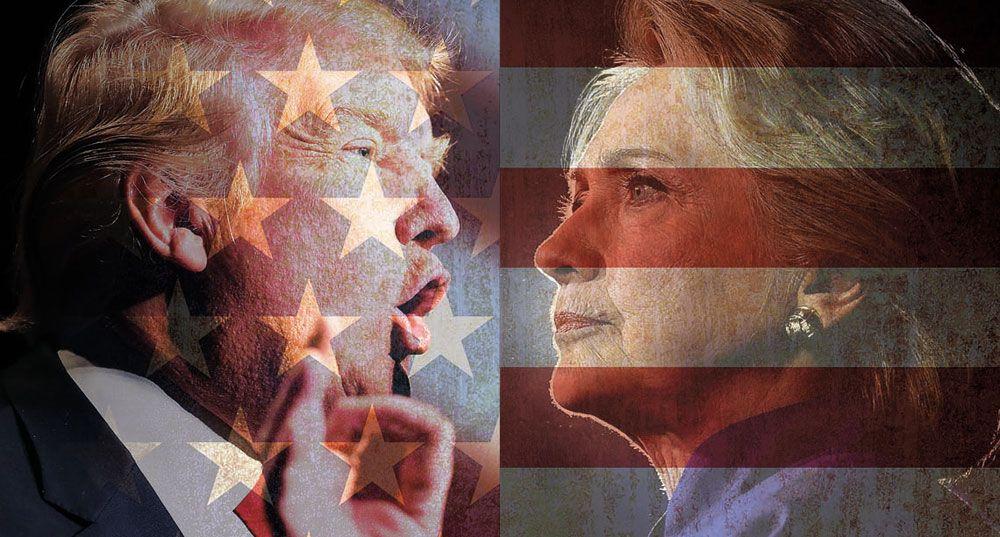

Let’s be honest, the never-ending cycle of a US Presidential election is exhausting. The candidacy cycle has been going on now for just under two years, but in just under a month people across the ‘Land of the Free’ go to the polls to vote for their next Commander-in-Chief: Hillary Clinton or Donald Trump.
While any non-American citizen doesn’t get to cast their vote, the global impact of the election result will be felt around the world. Just what will it mean to the Gulf region here in the Middle East? We spoke to Morris L. Reid, a partner at the American public strategy firm, Mercury, and asked him to shed some light on the outcome, be it Clinton or Trump:
***
Esquire: What are the implications for this region of a Donald Trump victory?
Morris L. Reid: Instability. Trump has yet to embrace the global responsibility that comes with being President of the United States and his rhetoric has been less than welcoming to the Muslim world. I think it will take time to repair the damage his campaign has caused in the critical relationship between the US and our Middle East partners.
What are the implications of a Clinton victory?
A restart. It’s no secret that the Muslim world lost faith in President Obama for whatever reason, but it’s clear the next leader must re-engage with our allies and rebuild trust. The United States needs a strong partnership with the Middle East and the Middle East needs the same from the United States.
Who will win?
My heart says Hillary, but my brain says Trump. What you need in politics is passion and intensity. Trump has both for sure. However, to win you need money and an organisation, which Hillary has, especially in the battleground states. Conventional wisdom says Hillary will win, but this isn’t a conventional year.
Will it be close?
I think it will be as close as Gore v. Bush in the 2000 election and that didn’t turn out well for the Democrats. However, unlike Al Gore, Clinton will stand and fight — unlike Gore, who was a gentleman.
What are the main changes we’ve seen with Obama’s presidency in terms of Middle East policy?
Under President Obama, many of our friends in the region didn’t see us as a reliable ally. I’ve participated in many meetings where the prevailing attitude has been “let’s just wait for the next president,” which is disappointing and dangerous. That next US president must build a strategy that is mutually beneficial for both the US and our Middle East partners.
How are those policies likely to change in future?
This all depends on who the next president is. If you take Trump at his word then the Middle East should look to build allies with other Western powers. However if Hillary is elected, and she embraces the traditional American global leadership role, then that’s good for the Middle East. There would be no more leading from behind. American must lead and respect its allies.
What are the key drivers of change that are happening, regardless of who wins?
Fluctuating oil prices, a lack of opportunities for the youth in the region, and terrorism will continue to be the key drivers and, frankly, the opportunity for the region. America embracing its regional partners and re-engaging both politically and economically will go a long way in helping to stabilise oil prices. Additionally, opportunities for the youth and terrorism go hand-in-hand and the answer cannot be to establish another sovereign wealth fund, which does not benefit the local population.
How much can a president actually influence outcomes in the Middle East?
Perception is reality. If the perception is America has turned away from the Middle East and is more interested in Asia or Europe, then that will be the reality. America must be an active participant in the affairs of the region without being overly aggressive. Passive leadership will never work and our friends in the region need to know where we stand on important issues.
What are you optimistic about, with regards to the Middle East?
The people. I love this part of the world and believe my friends in the region will have a positive impact on global affairs. In particular, I am looking forward to the match-making potential between the Middle East and Africa.
What worries you?
Lack of opportunity. I am concerned that the leadership in the region still thinks establishing another sovereign wealth is the magic bullet. With half the population under 30 years-old, focusing on job creation and entrepreneurship has to be the main concern of governments.
What’s your key message to clients when they are planning business strategies in the region?
I tell all my clients to focus on the double bottom line of doing well and doing good. It’s okay to make money, but it’s also good to make a contribution. I also press them to partner with the leaders of the next generation so that economic power isn’t so concentrated into the hands of the few.
—
Morris L. Reid is a partner with Mercury, an American public strategy firm, and served in President Bill Clinton’s administration. He specialises in fostering business development programmes, managing crisis situations, brand building, coalition advocacy, and effective public affairs and issue management in the Middle East.