

Why Vacheron Constantin’s specialist Les Cabinotiers department is craftsmanship at its very finest according to Style & Heritage director Christian Selmoni
Back in the 18th century in Geneva, watchmakers used to work on the top floors of office buildings. It was not for reasons of professional superiority, but simply because the penthouses get the best light—and the watchmakers were the one who required the best quality of light. Back then, those workshops were nicknamed ‘Les Cabinets’, and the people that worked in them were known as the Men from the Cabinet, or—Les Cabinotiers.
Today, at Vacheron Constantin, the name —Les Cabinotiers—refers to a very special watchmaking department. It is the department dedicated to exclusively creating unique timepieces, much like a bespoke tailor would do. It never makes the same piece twice.
As you can imagine, an in-house department that creates a tiny number of one-of-one pieces per year, meticulously made and hand-decorated by the finest classic artisans—this is a very elite level of watchmaking.
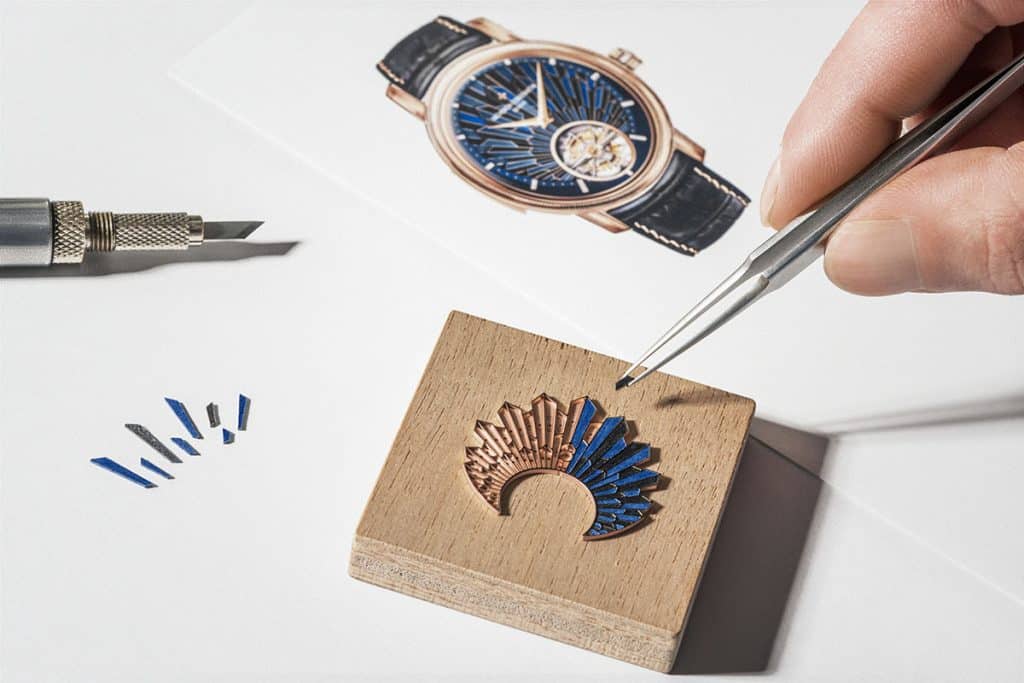
Essentially, Les Cabinotiers has two different modes of working. The first is a ‘Bespoke’ process of watchmaking where clients who have a clear vision of a piece that they want to create can pay to have their dream watch made—as you can imagine, depending on the complexity of the idea and the brief, this process can take several years. The other mode, is for potential clients who want to purchase a unique timepiece, but perhaps don’t want to go through the design process—therefore they can access the annual releasing of a set number of timepieces that are designed and developed by the department itself.
These pieces are highly limited and are all designed around an overarching annual theme.
In 2023, the theme was ‘Travel Stories’, and nine unique pieces were created around that theme and sold to buyers—with the UAE market being given first option to view and purchase the pieces at a private event in November.
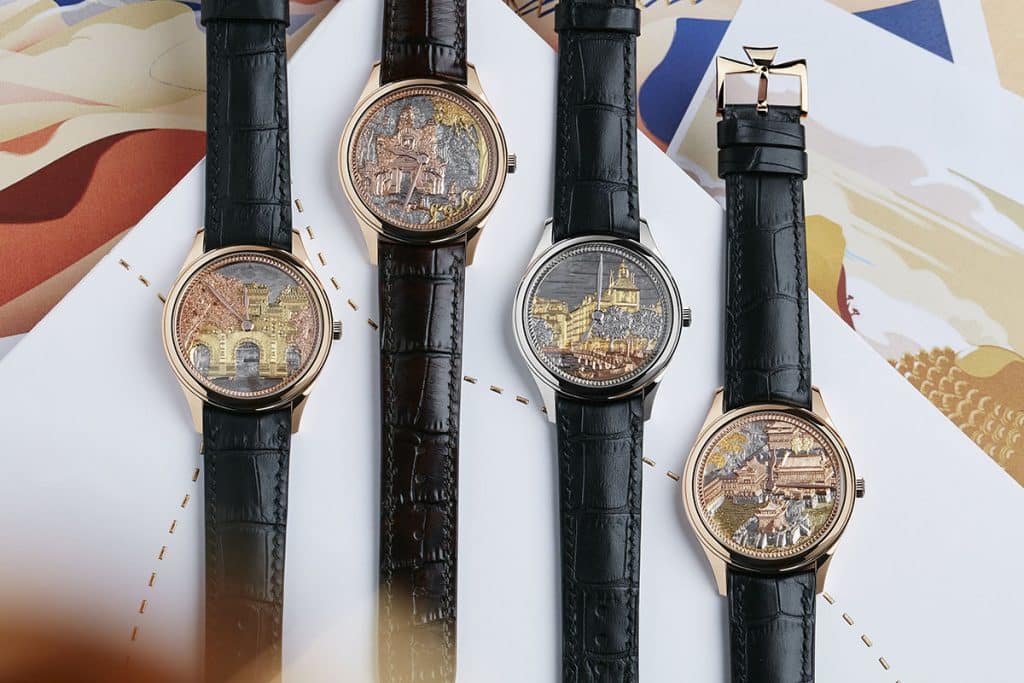
On average, the pieces take three years to create. So, for example, while the 2023 piece have just been presented, the watchmakers in Les Cabinotiers are already working on the pieces for 2026.
The reason it takes them so long is because Les Cabinotiers uses is the ultimate level of decorative arts when it comes to its watchmaking. Once a theme is chosen for a particular year, the designers and artisans discuss between themselves and propose the ideas of what they want to create. The nine watches for 2023 all referenced the theme of travelling around the world through art, architecture, and locations —which was then expressed through both the technical abilities of Vacheron Constantin and also the type of craft used to decorate them.
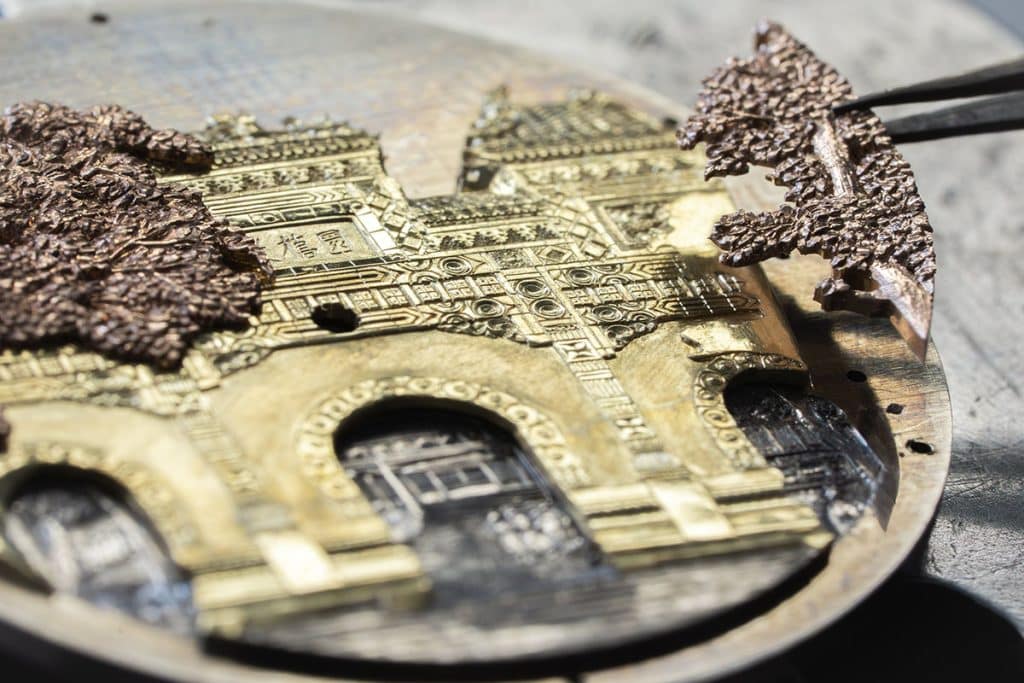
When it comes to decorative arts, the watchmakers work with Vacheron Constantin’s fabled Métiers d’Art workshop. It is there that in-house artisans work on the four crafts considered to be the ‘historical crafts’: gem setting, Guillochage, hand-engraving and enameling. However, depending on the project, should a piece require further specialism, they will sometimes work with external craftsman for a particular expertise.
In theory anyone can approach Vacheron Constantin with an interest in exploring a Les Cabinotiers project. You don’t have to have a history with the maison, or own a certain number of its timepieces, but there are also obvious limitations, these are exclusive pieces after all. In most cases the timepieces being created are Grand Complications and/or are decorated with Métiers d’art, all of which are very time-consuming projects, so, naturally, there are limitations.
In terms of the popularity of the Bespoke or Les Cabinotiers developed pieces, there is a slight majority for the latter, with one of the main reasons being that they are more immediately available. When someone is looking for a unique piece—the ultimate luxury—rather than initiating a multi-year, bespoke project, if you are buying a Les Cabinotiers developed piece, then you are able to receive it there and then, no waiting time.
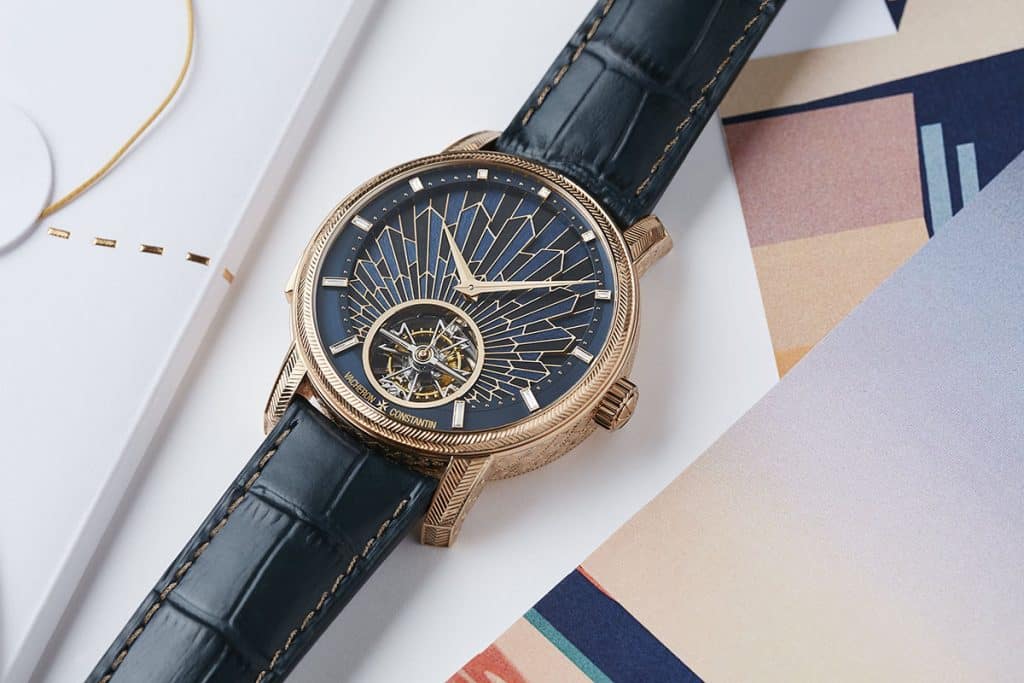
Today, when there is a notion of quick obsolescence, watches are the absolute contrary. They are built to be here with us for decades —and sometimes even centuries. In today’s society when there is a scarcity of free time, and everything feels like it is urgent—I think people forget that in order to create a beautiful luxury object, you have to give the artisans time to create these things by hand.
There is always a slight tension between artisan craftsmanship in a world driven by technology and innovation, and it is something that we are very aware of. Of course, by adapting new technologies we could drastically cut down the lead time in our watch production (using laser engraving rather than hand engraving for example), but we believe it would lose the fundamental aspect of what we stand for—that made-by-hand craftsmanship quality, and painstaking attention to detail.
At Vacheron Constantin—and particularly with Les Cabinotiers—there is a devotion to traditional crafts and traditional watchmaking, however, it doesn’t mean that we stay looking to the past, and continuing to do things like it was the 19th century. Our ambition is to perpetuate the tradition of handmade craftsmanship—but we want to express it in a contemporary way. A lot of the designs are innovative and bold—very creative, very modern, but still made using traditional techniques.
This is very important for our success, this is where the value in our pieces is.
As told to Esquire Middle East’s Matthew Priest