
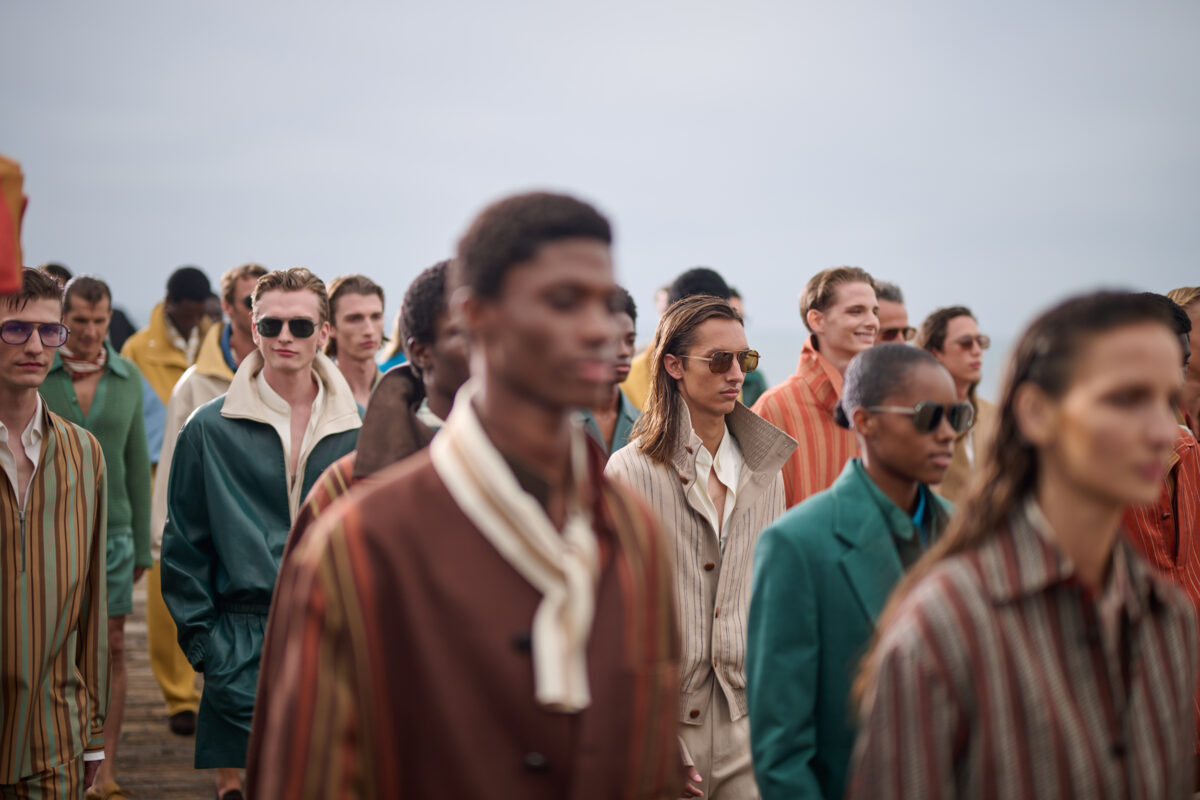

Alessandro Sartori vividly remembers his childhood summers. He may be a little hazy on the exact details of each year, because but those long, lazy summers in late 1980s Italy were largely the same. His family would pack the car to an almost comically full state, and set off on the long drive at 4am, weaving their way through the Italian countryside until they reached the same rented apartment on the Ligurian coast. “It was my parents, me, my brother, our dog, and everything you can imagine packed into one car,” the Creative Director of Zegna recalls with a chuckle. “When I say, everything, I mean everything: plates, cutlery, pots, pans, we pretty much brought the entire house, and wardrobes with us.”
Once they arrived, the following month was defined by proximity and routine—sharing boredom with family over card games, daily trips to the beach, eating watermelon and occasional visits from extended family members. “My mother would do a lot of cooking and, in true Italian style, we would take it to the beach with us the next day.”
These long, annual coastal migrations are typical of Italian families in the summer. In fact, it has been a tradition baked into the culture of the peninsula since ancient times, and is more commonly defined as: Villeggiatura.
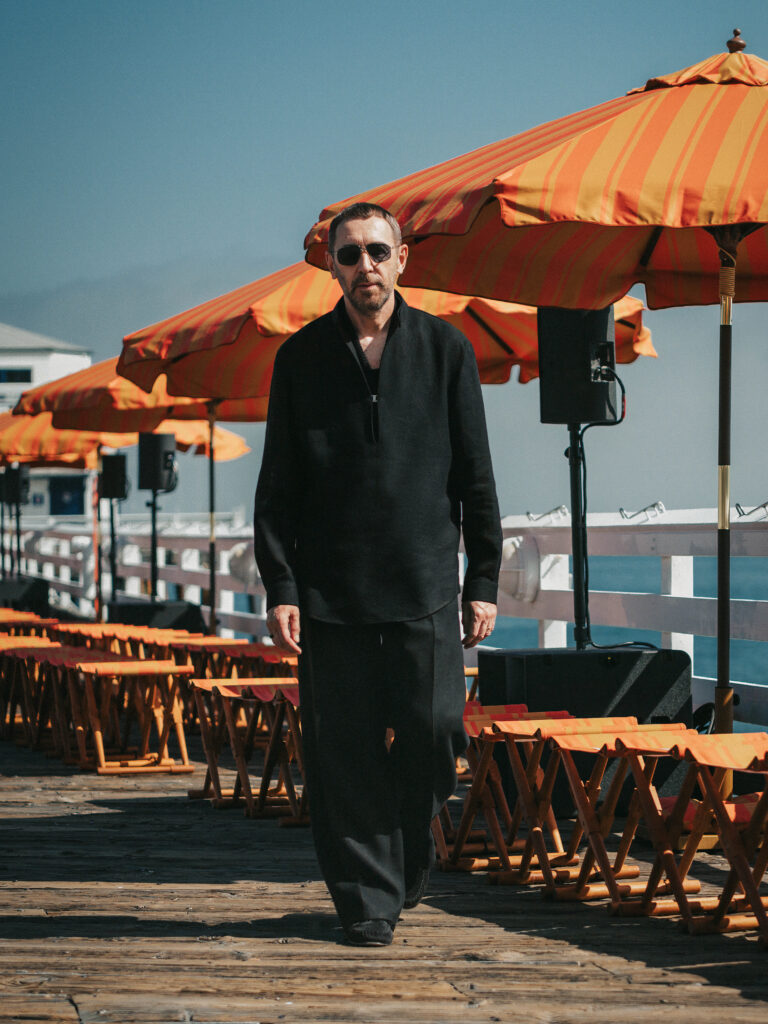
The essence of Villeggiatura is linked to a specific attitude, one that focuses on staying in one familiar place long enough to build a slow, comforting routine, based around rest, family and self-care. It was a recurring tradition not only in Sartori’s upbringing
but in the heritage of the Zegna family itself, with the Italian house’s archives holding numerous photographs of Angelo and Aldo Zegna partaking in these very same long, family-centric vacations.
“I remember, my father used to bring five suits with him,” says Sartori as he paints a picture of a man wearing a light blue, double-breasted tailored suit paired with a white linen shirt, shorts, and sockless loafers by the coast. “It was an early lesson for me in this idea of dressing well regardless of the setting,” says Sartori, fuelling an ethos of easiness and freedom that now serves as the foundational inspiration for Zegna’s Spring/Summer 2027 collection.
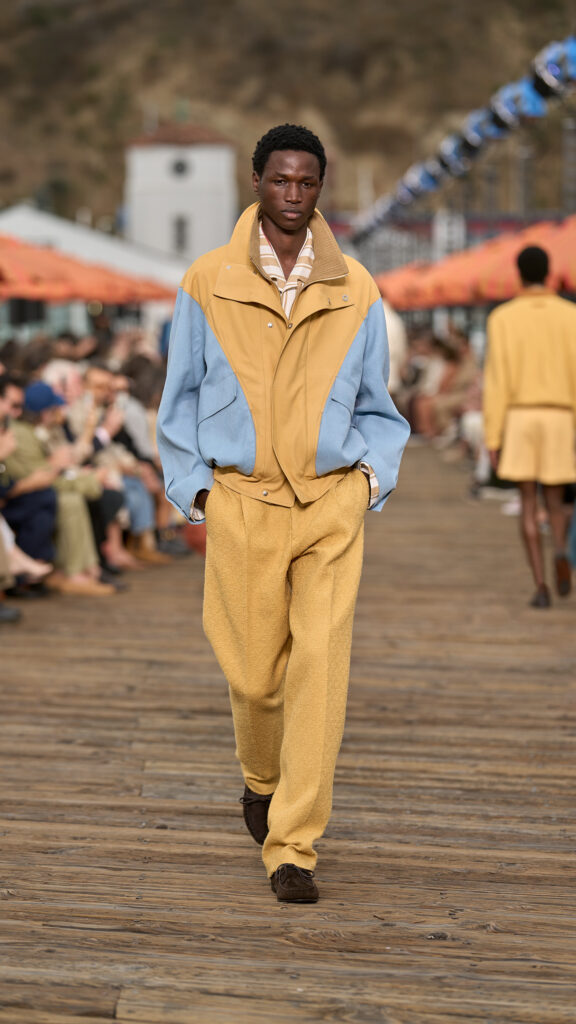
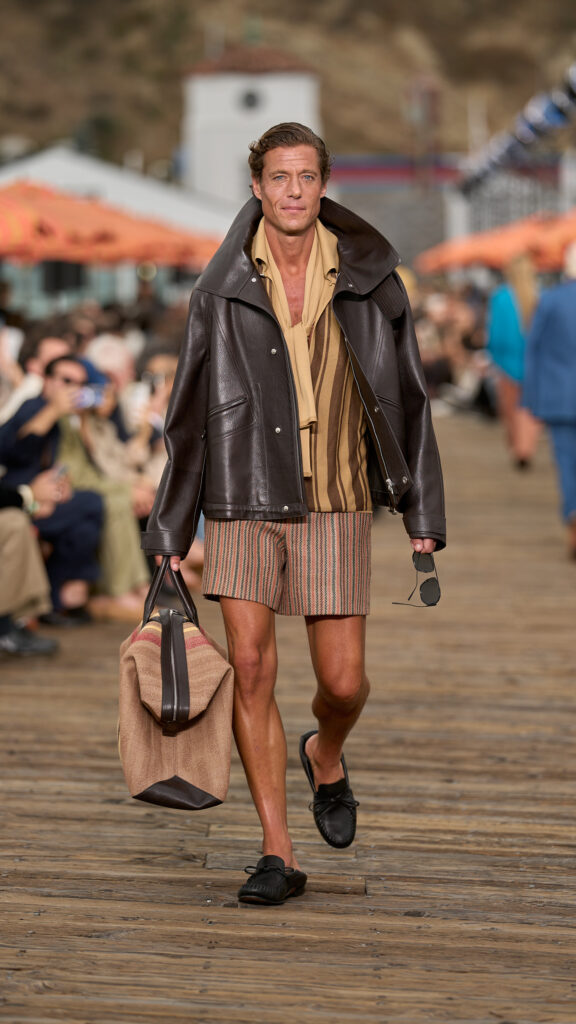
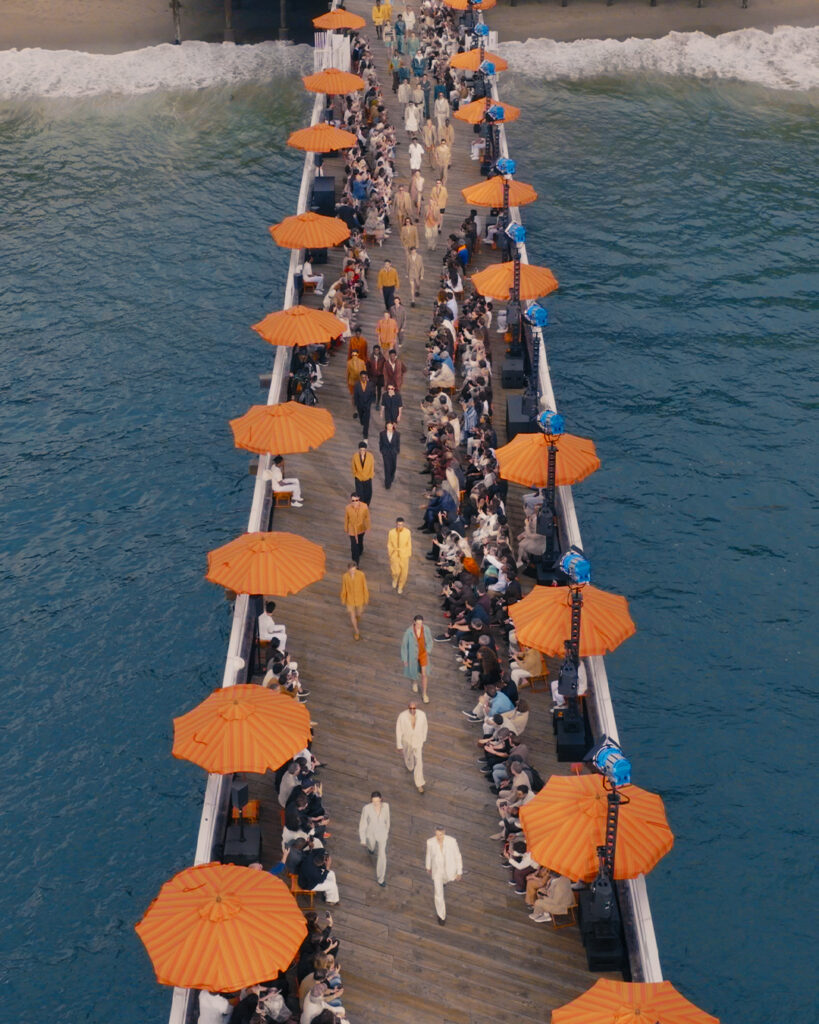
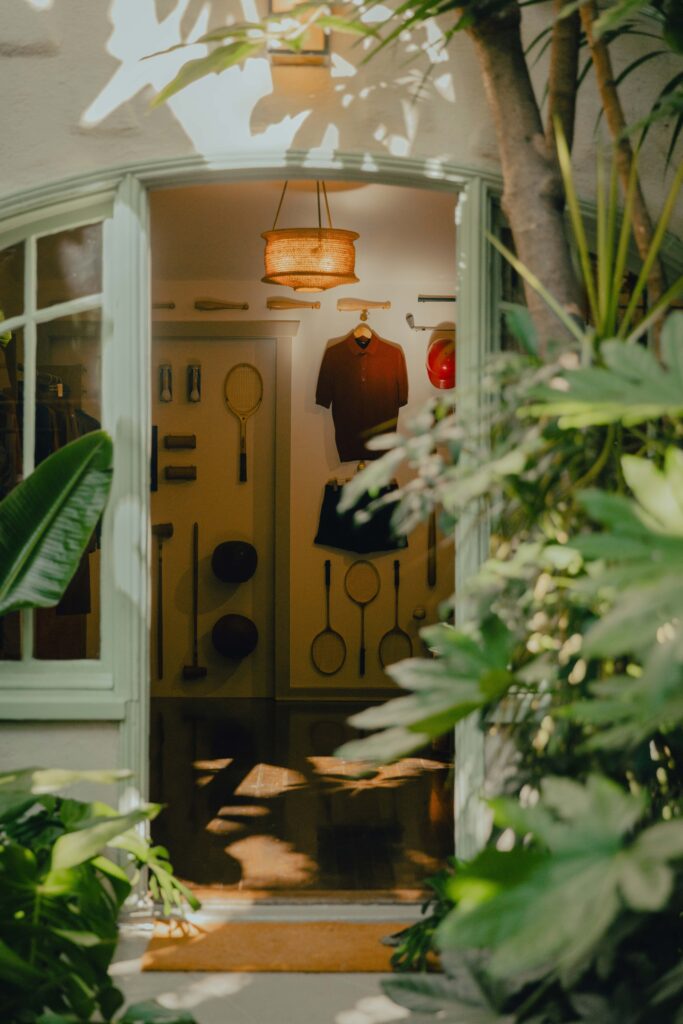
To launch this collection, Zegna exported this distinctly Italian spirit to the sprawling expanse of Los Angeles. The activation centred on the brand’s immersive ‘Villa Zegna’ concept, an exercise in taking the world of Zegna—which originates on a mountain in northern Italy—and dropping it in a vastly different geographic context while retaining its core identity. Following similar successful undertakings in Dubai and New York, the Los Angeles venture served as the ideal platform to introduce a collection heavily influenced by the chic, sun-drenched aesthetic of Slim Aarons.
The resulting pieces lean into a nostalgic visual language underpinned by Zegna’s desire to accommodate the evolving realities of its clientele. “We are noticing that our relationship with customers is changing. It was deliberate not to include many classic suiting silhouettes in the runway collection, because we sell much more of our classic suiting via our private ‘su misura’ service.” Sartori explains. Instead, the creative director’s has his focus set on understanding broader lifestyle choices rather than simply looking at what his menswear competitors are doing.
“Our main clients are people who are buying watches and cars, and travelling the world and staying in nice hotels—I see those things as our competitors,” he notes. Rather than trying to infiltrate communities already buying from peers like Loro Piana or Hermès, Sartori’s objective is to watch his own customers closely to interpret their next move. “Are they staying at the Rosewood Hotel and not the Aman? Do they drive a Mercedes not a Maserati? Do they prefer small watches now instead of bulky ones? These questions paint a deeper picture of our customers, and it makes me think a lot more deeply about the direction we are going. It is proactive decision-making not reactive”.
This design process is perhaps most evident in the careful engineering of the collection’s colour palette, which Sartori notes “captures that ’60s and ’70s nostalgic feeling, easy to wear and pair”. A decade ago, the brand established a foundation of six classic colours, including raw cashmere off-white, light grey mélange flannel, foliage orange, deep matte navy, deep matte blue, and ‘cortecchia’ chocolate brown.
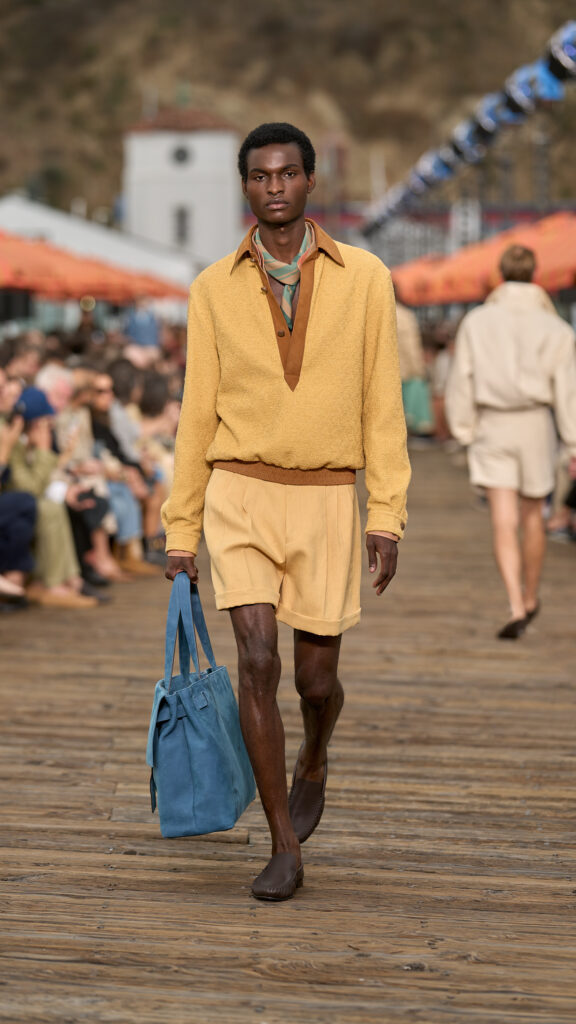
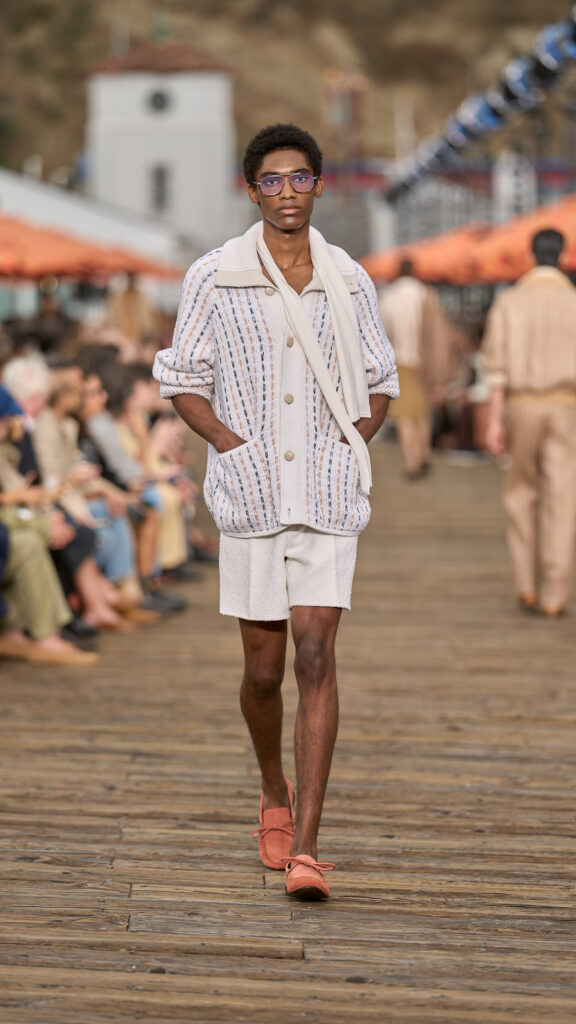
“These six colours are foundational in every collection—they are the base,” Sartori explains. “Then every season I compliment the collection with new colours… I never do a colour palette without thinking about the classic Zegna colours, because I want our customers to be able to wear the new with what they already own”.
For SS27, that means integrating two greens, two yellows, a blue, and a brighter orange, alongside a prominent nautical element featuring waterproof materials and knits that nods to Zegna’s historical sponsorship of the Portofino Regatta.
“We have also added in a lot of stripes, because we believe that our customers are looking to add more fun and excitement into their wardrobes,” Sartori says. Ultimately, the collection is defined by a commitment to longevity and effortless sophistication. As Sartori concludes: “There is a sense of easiness, and freedom about it. The construction of the pieces are made to be complicated, but look uncomplicated”.
Just like an Italian summertime.