
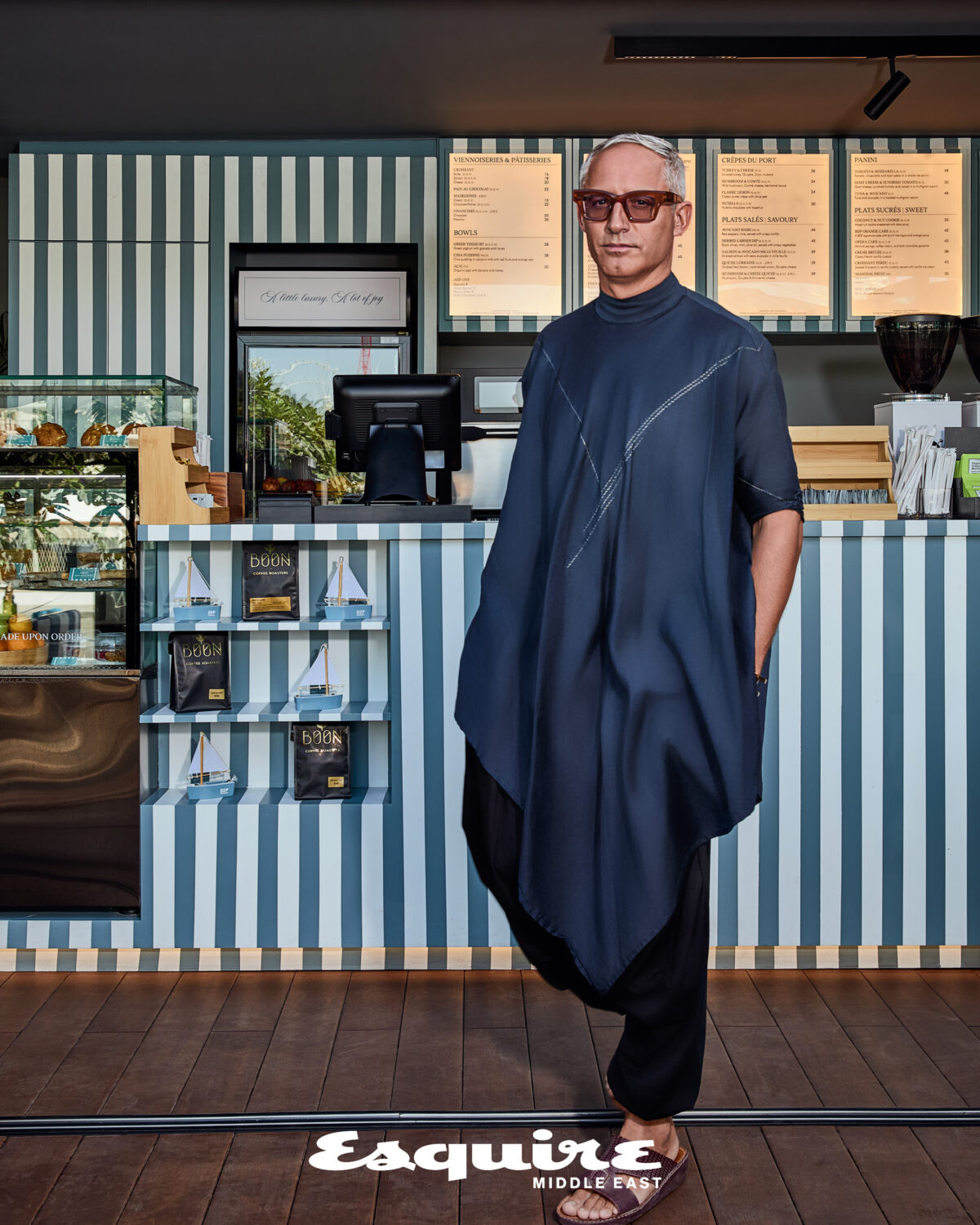

For Michael Isted, getting dressed is closely tied to mood and ritual. “The process of getting ready is important to me,” he says. “Things like fragrance, jewellery, fabric, and silhouette all play a part in setting an energy for the day.” There are some days that call for quiet minimalism, while others lean more expressive and ceremonial.
It is an intuitive approach that makes perfect sense for Isted. As the founder of The Herball—a creative studio that uses food, drink, scent and aesthetics to develop sensory experiences for its clients—nuance and energy are essential.
Originally starting out in hospitality and drinks, Isted’s curiosity gradually shifted toward the deeper relationship between people and ingredients. “I became more interested in what ingredients actually meant,” he explains. “How they felt, our relationship with the plants, and the emotional and sensory impact they could have beyond just taste.”
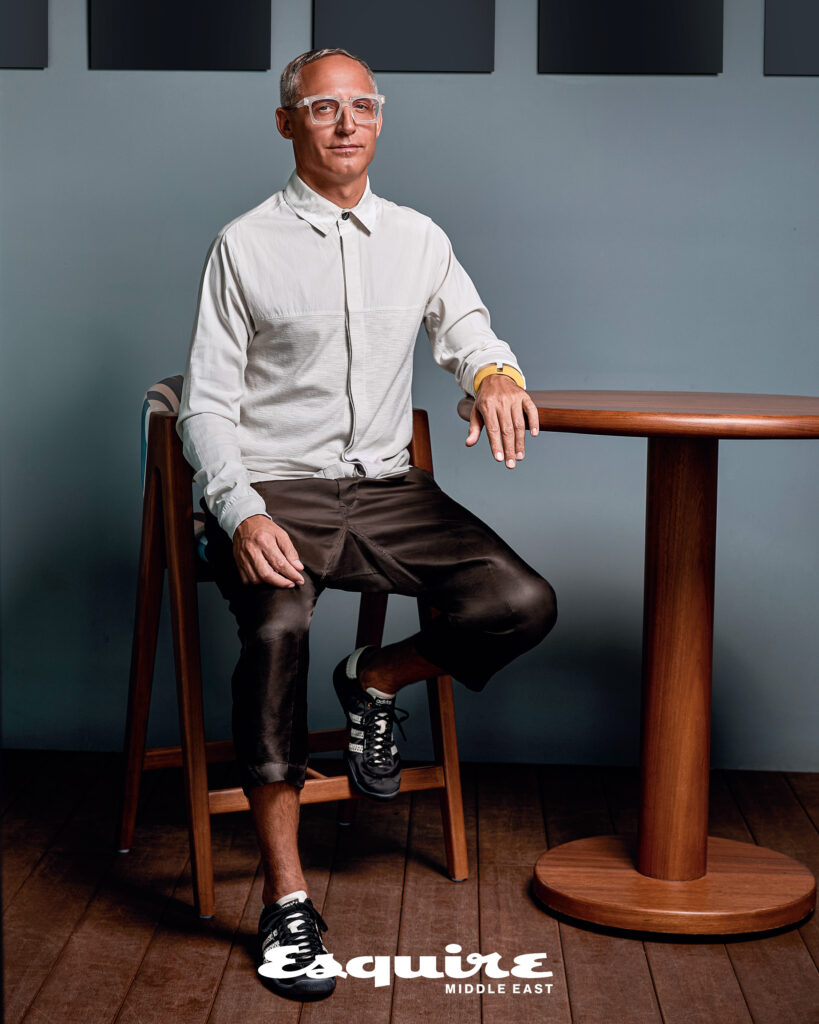
This deep connection to the natural world naturally extends into his wardrobe. “I’m very sensitive to texture, fabric, movement, and even scent,” he says. “I tend to gravitate towards pieces that feel grounded and tactile.” Linens, silks, raw cottons, and relaxed tailoring form the foundation of a closet that feels lived-in rather than overly constructed.
Aesthetically, his personal style sits comfortably between classic tailoring and more progressive silhouettes. Japanese fashion remains a major influence on his sartorial philosophy. “I admire the balance of precision and simplicity, the attention to proportion, fabric, and restraint,” he notes.
Minimalism shapes his wardrobe choices, with monochromatic palettes, layered textures, and fluid shapes serving as recurring themes. “I’m drawn to clothing that feels calm and refined rather than loud. I like clean silhouettes, timeless tailoring, and pieces that feel understated but intentional.”
Scent, by THE HERBALL
When it comes to everyday essentials, simplicity remains key. Organic cotton long sleeve tops are a constant in his rotation, offering a foundation that he describes as “very grounding.” He also frequently returns to pieces from the Japanese label Julius_7, appreciating how the brand’s tailoring and proportions balance elegance with futurism to align perfectly with his personal aesthetic.
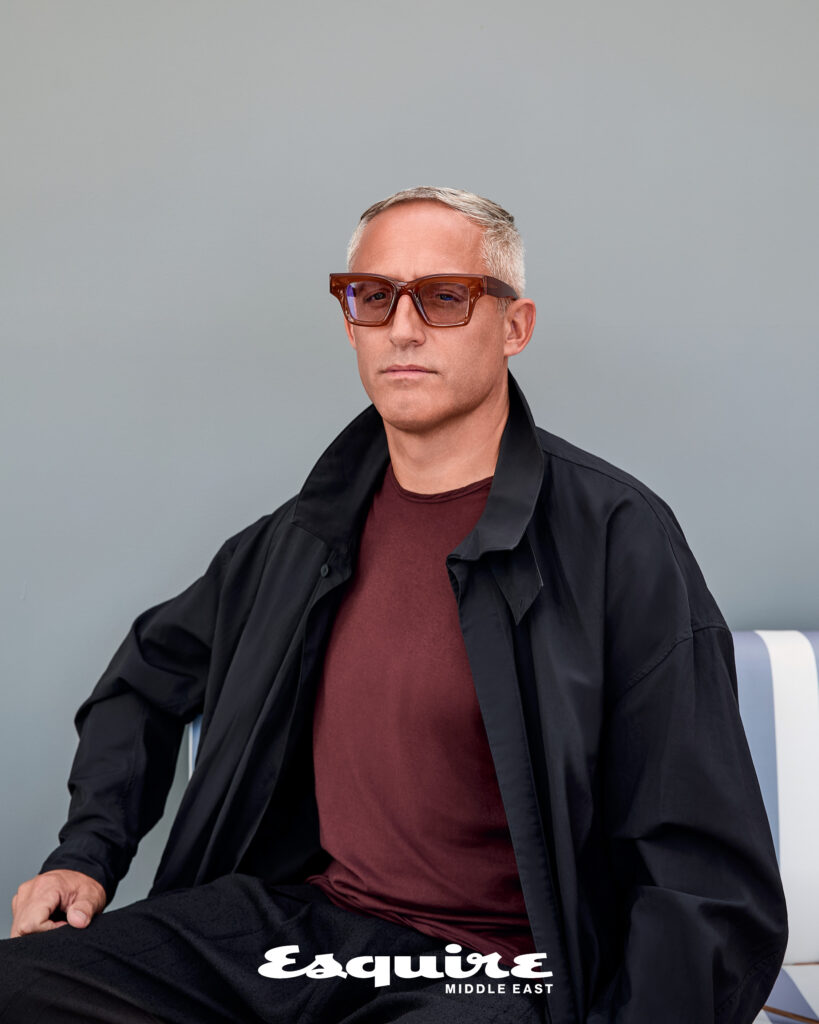
To accent these quiet silhouettes, Isted relies heavily on eyewear, which has become his defining accessory. “I almost see them as wearable architecture,” he says. “They allow me to play with shape, proportion, colour, and mood in a way that still feels functional.”
Beyond his frames, sentiment easily outweighs styling. Many of the objects he carries daily were collected during his travels, woven into his routine almost subconsciously. “If I wear something consistently, it’s usually because it carries memory or energy,” he says. “I think the things we wear every day should feel personal and instinctive rather than styled.”
Ultimately, working so intimately with botanicals provides the final, invisible layer to his daily ritual. Relying on earthy woods, resins, and natural florals chosen more for atmosphere than convention, Isted’s approach to grooming mirrors his approach to life. “Scent is probably the sense I connect to most emotionally,” he says. “I think fragrance should evolve like memory. It shouldn’t overpower a room, it should draw people closer.”
Shot on location at Café du Port, Dubai Harbour