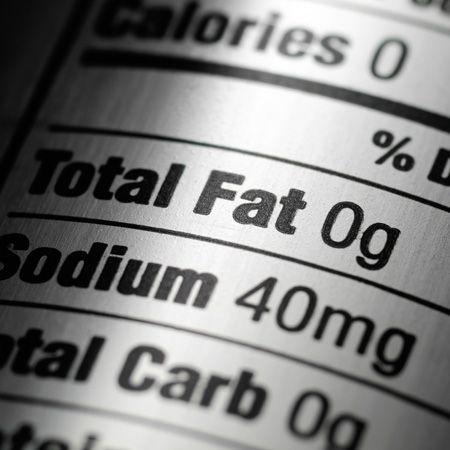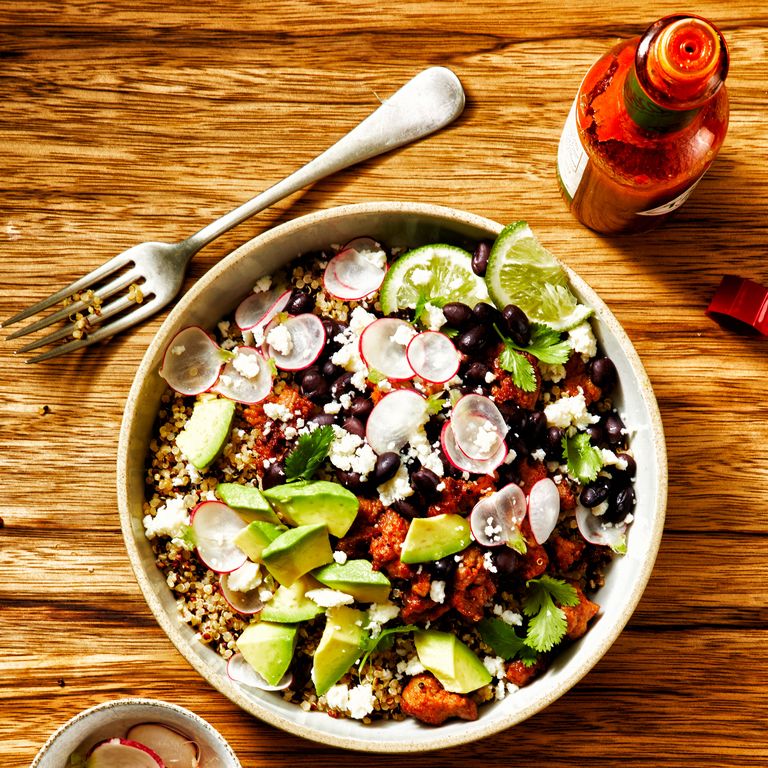
If you want to start an argument around diet, bring up carbs. Carbs have long been dubbed the enemy of fat loss and are usually the first to get cut from the daily grub. But how much of those carbs should be cut out? And for how long should you cut them out for?
As a trainer, I have personally have always been a fan of reducing carbs to ignite some fat loss, but the key word here is “ignite”. I would only recommend a short period of low carb dieting (less that 100g a day), and 14-21 days is ample time limit.
Technically, carbs are not an essential nutrient, meaning we don’t need to eat them to survive, despite what your late night cravings say. With that said, going very low carb long term is simply unnecessary and often counter productive to reach your health and fitness goals.
How many carbs should you eat to lose body fat?
It’s important to note that to lose body fat you need to be in a calorie deficit, without this, it is impossible to cut down on your fat percentage. Step one involves finding out your daily caloric needs. The best way to calculate your desired carb intake is to first establish how many grams of protein and fat you want to eat.
For example, if you are looking to cut some fat without losing muscle, you should intake 2.5 gram of protein per kilogram of body weight, .75 gram of fat per kilo, and then balance will be carbs.
For a man who weighs 80 kilos, that means 200 grams of protein and 60 grams of fat. On a 2,000 calorie diet, that would leave 165 grams of carbs left over (1 gram of protein/carbs has 4 calories, and 1 gram of fat has 9 calories). This is again assuming that you are working out on that day. On a non-workout day those looking to lose fat need to cut that carb intake in half (say 2-3 days a week), and on a hard workout day (or muscles that need the most work) double that carb intake to 330g for 1-2 workouts a week.
This type of diet framework is called carb cycling – it is the most effective to lose body fat while maintaining muscle mass. It’s also something that can be used long term without feeling as though you are “on a diet” all the time.
Timing your carb intake is really important
A great time to eat carbohydrates is right after a workout. It results in faster digestion og carbohydrates like simple sugars and aids your recovery post workout. Carbs cause an anabolic response in the body by raising your blood sugar levels, which in turn stimulates the hormone insulin.
Insulin usually gets a bad reputation because it can increase fat storage, but it can also be your friend by helping your muscles suck in more protein.
Eating carbs with protein in a roughly 2:1 ratio can help your body utilise the protein most effectively. Eating more carbs when you have an endurance race, or competition can also be helpful. “Carb loading” involves consuming large amounts of carbs to saturate your sugar storage tanks (muscles and liver) leading up to an athletic event can help you perform better. Endurance events are very demanding on the body and require large amounts of energy to perform at an optimal level so loading the carbs in the few days leading to an event can increase your performance dramatically.
What are the different types of carbs
Not all carbs are created equally – the carbs from white rice do not have the same response in the body as a breakfast cereal. Getting your carbs from whole food sources will always be the healthier option.
· Rice & potato varieties
· Oats
· Fruits
· Quinoa
· Starchy Vegetables
Low carbs diets certainly have their place in the fat loss equation, but long term low carb diet aren’t the most effective for either fat loss or your health so don’t be afraid of carbs. Learn to use them effectively and your results will improve dramatically.
Jeremy Gywer is a personal trainer.