
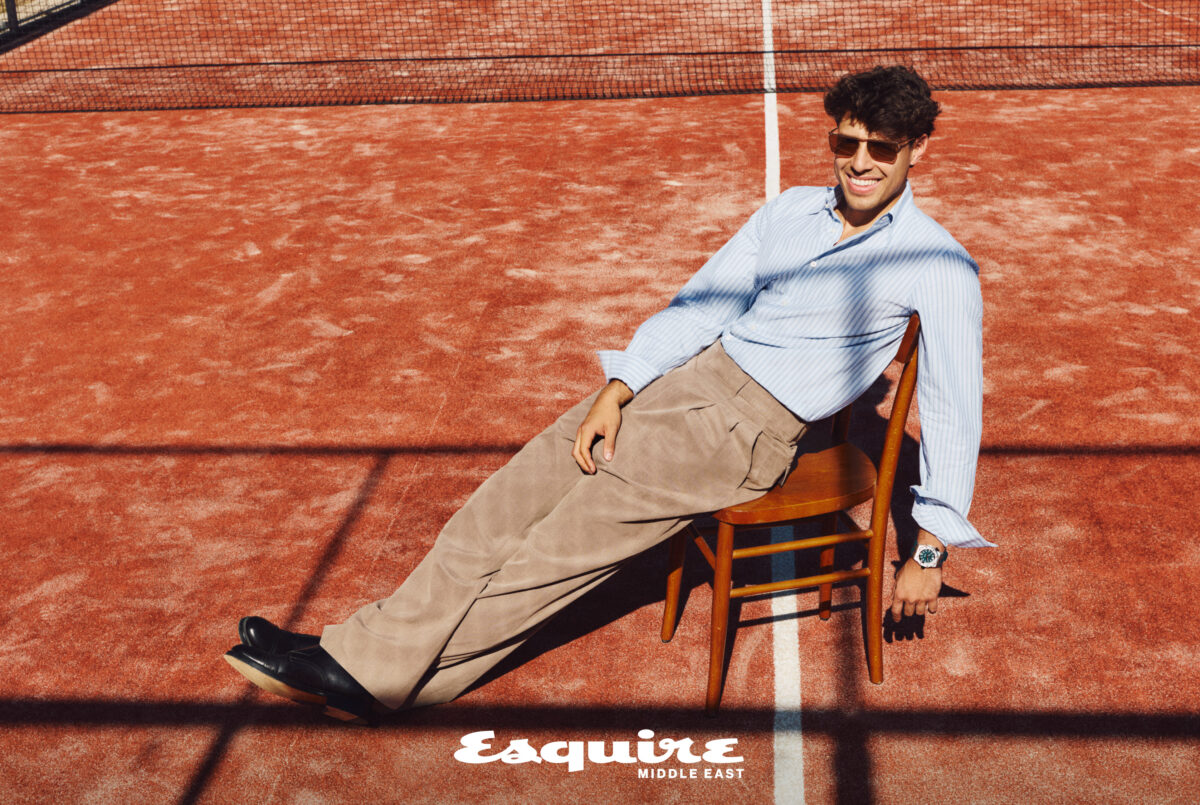

For Agustin Tapia, the most important second of the day is the one just before he strikes the ball. It is in that microscopic window of time that padel’s current world number one makes the only decision that matters, whether to unleash an attack, patiently wait, or dictate exactly where to send the ball. In that moment, he must stay calm and trust his training; if he hesitates, he notes, the ball inherently knows it.
To the roaring crowds on the Premier Padel circuit, the Argentine is simply known as “Mozart”—a moniker he sheepishly admits leaves him feeling a little embarrassed. What spectators perceive as his brand of pure stylistic improvisation is, in reality, the dividend of relentless discipline and doing the same things over and over in training.
Tapia’s journey to the summit of the world’s fastest-growing sport did not begin under stadium lights, but rather in his hometown of Catamarca, Argentina. There, a young boy would tag along to the local club, slip the racket strap, and spend hours tirelessly hitting a ball against the glass walls on his own.
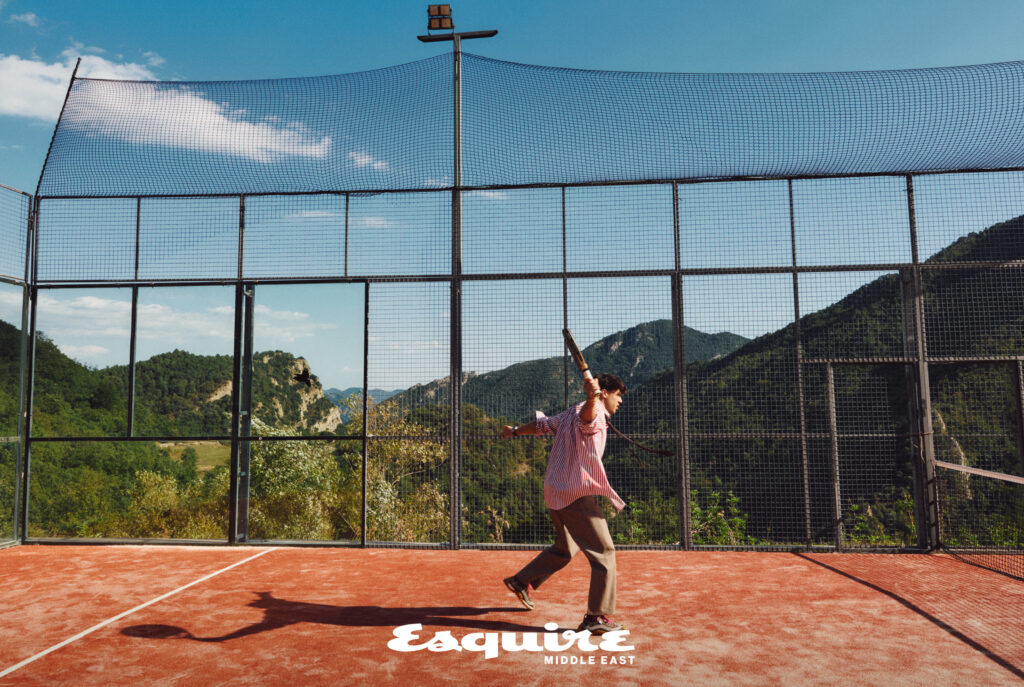
Forced to choose between playing football and the padel court, Tapia leaned on his parents’ unwavering support, eventually making the difficult decision to leave them and friends behind for Spain at a young age to chase a professional dream.
That personal sacrifice forged a champion who has fundamentally evolved alongside the modern game. While his early career was defined by high-risk shot-making and a frantic desire to end points instantly, the Tapia of today operates with a more calculated patience, thanks to a combination of improved physical conditioning, and strategic game planning to build points.
Much of this sustained dominance stems from his formidable partnership with Arturo Coello, forged in 2023 with a singular, shared ambition: fighting for the number one ranking. Together, they form a perfect dichotomy of fire and ice; where Tapia is highly emotional and wears his feelings on his sleeve, Coello provides a stabilising, unshakable calm during tense, high-stakes moments.
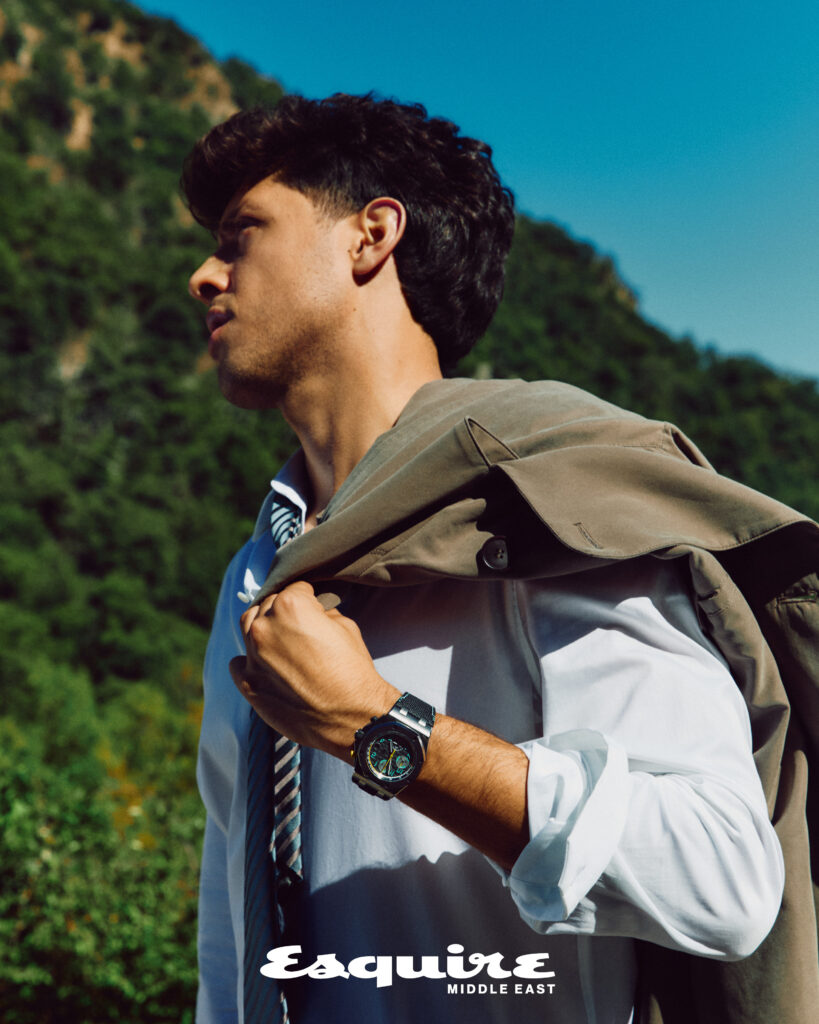
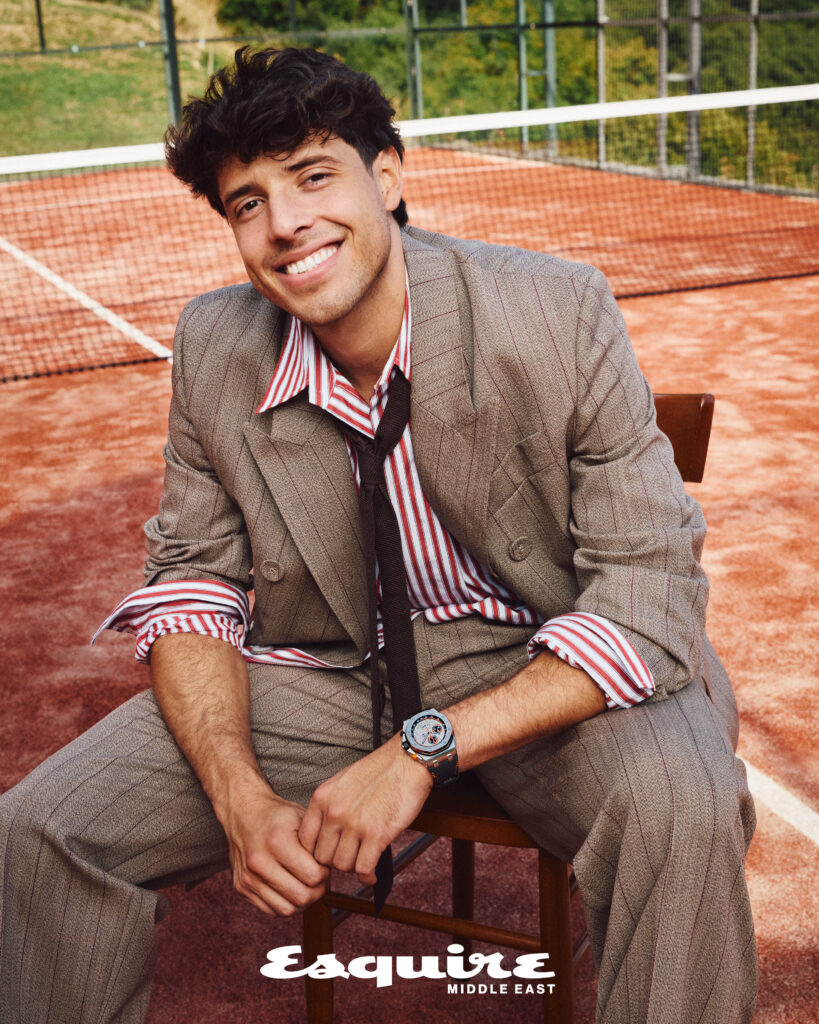
This evolution from a raw, aggressive talent to a master of tactical precision makes his appointment as an Audemars Piguet brand ambassador a highly natural alignment. For Tapia, this relationship is a particular point of pride, built on a shared ethos of hard work, precision, and a passion for doing things right. The partnership has already provided unforgettable moments on his global journey, taking him from the provincial courts of his youth to playing on courts all across the planet.
Yet, despite the luxury endorsements, global travel, and flattering—if slightly overwhelming—comparisons to sporting legends like Roger Federer, Tapia remains grounded by the humility and demeanour of his ultimate idol, Lionel Messi.
As padel continues its meteoric global ascent, the sport’s most creative force sat down with Esquire Middle East to discuss the burden of his nickname, the chaotic environmental variables of international tournaments, and the quiet pride of continuing to achieving a childhood dream.
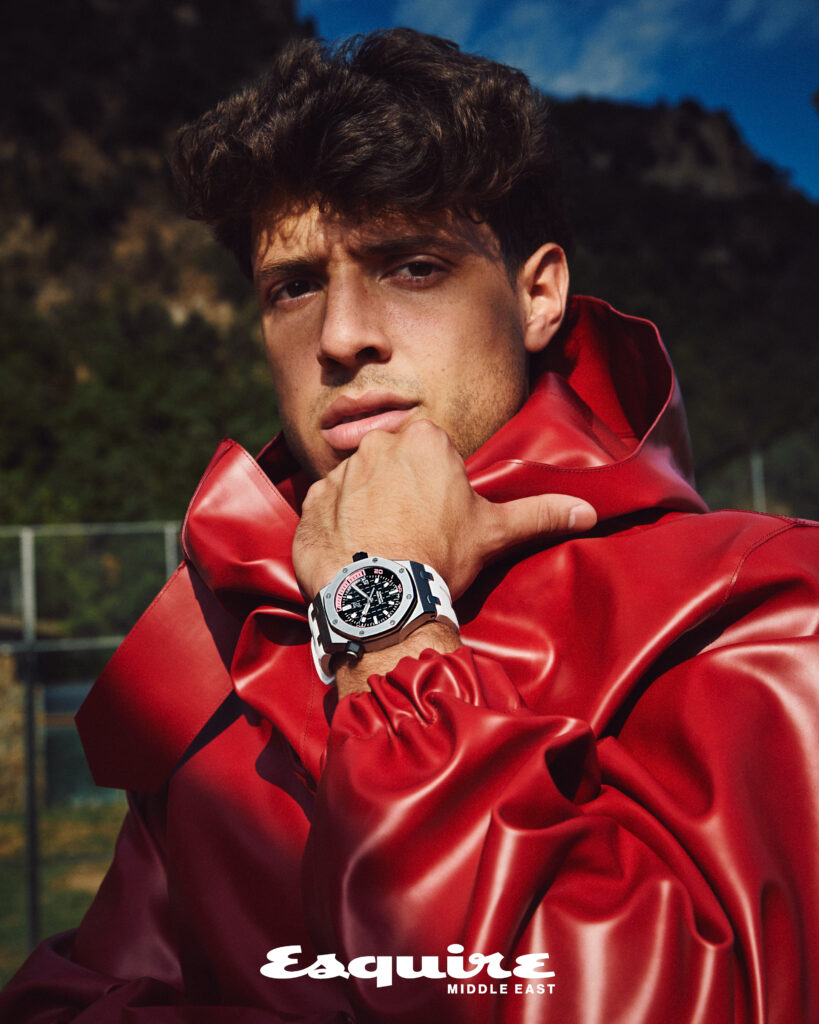
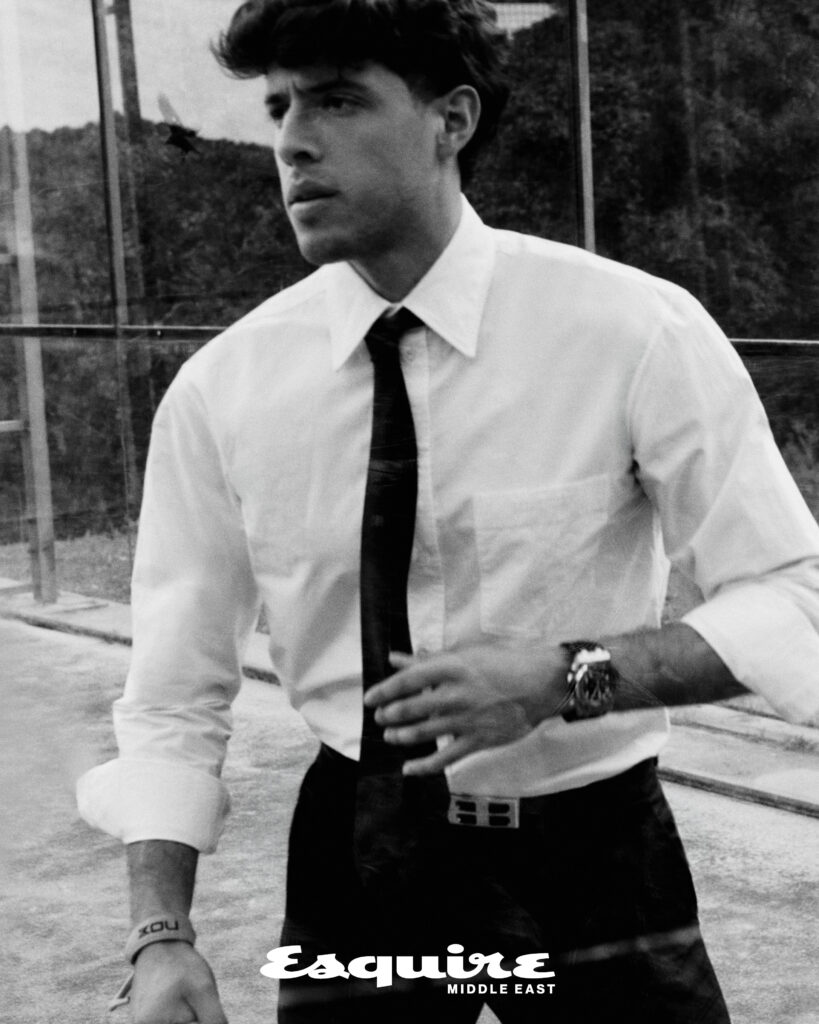
ESQUIRE: So, take us back to the beginning. How did you first started playing padel?
AGUSTIN TAPIA: I started really young, back home in Catamarca, almost without realizing it. My family played padel, so I’d tag along to the club. They’d hand me a racket and I just wouldn’t let go of it. I spent hours hitting the ball against the glass, sometimes on my own. I never thought it would become my life. It was simply the thing I loved doing most.
Most people assume that padel players all evolve from playing tennis, or squash as kids. Was that the case for you?
It wasn’t tennis, no. As a kid I played football, and for a while I was playing both football and padel at the same time. I loved both, but at some point, I had to choose, and I went with padel, largely thanks to my parents. They saw something in me and backed me all the way. Without them I wouldn’t be here.
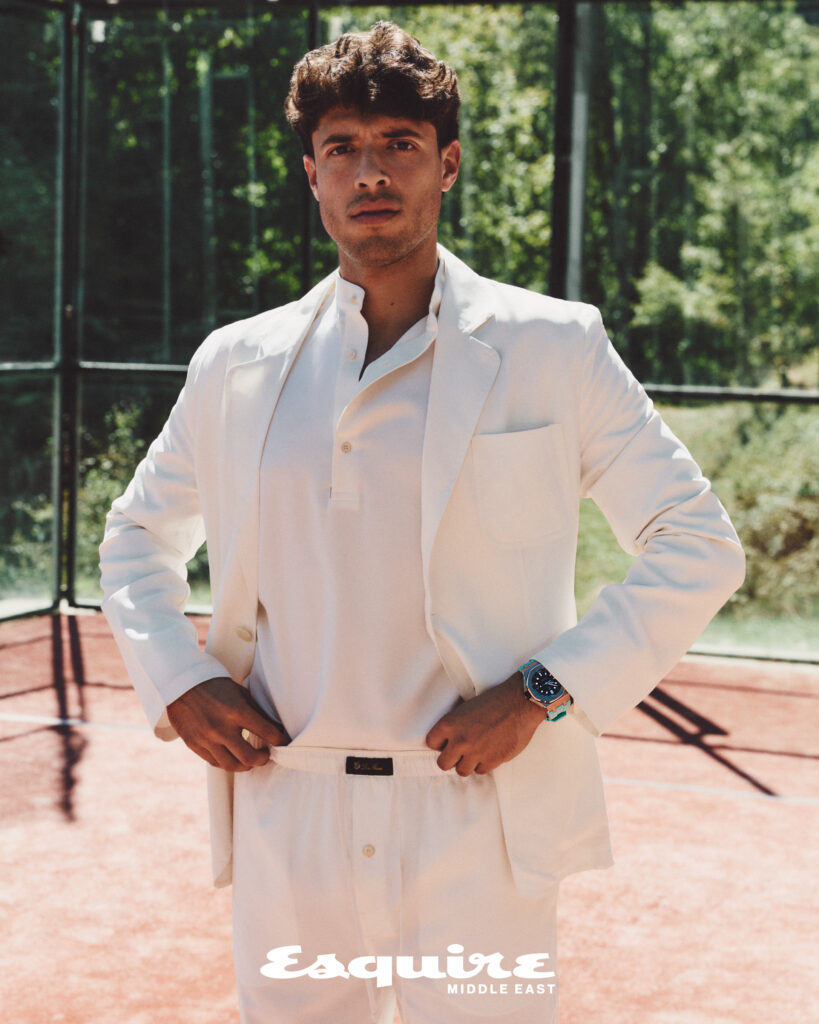
When was the moment you realised padel could be a full-time profession?
When I moved to Spain. I was very young at the time and it was a tough decision, because I left my family and friends behind. That’s when I understood that if I wanted to make it, I had to give it everything. At first, it was just a dream. Then, with work every single day, it slowly became real.
Who are your sporting heroes?
In padel, it’s Arturo [Coello], my partner. I see him every day. I watch how he trains, how he competes, how hungry he is to keep improving. I learn a lot from him. Outside padel, I really admire Lionel Messi. It’s not just what he’s won, it’s how he carries himself and how humble he’s stayed while being one of the best ever.
Why do you think the sport of padel has seen such a rapid global rise over the past decade?
Because it’s so easy to pick up, and it’s fun from day one. You don’t need to be good to have a great time. It’s also very social: you play in fours, with friends, and you hang around afterwards to chat. And today there are people doing great work to bring professional padel to more and more countries.
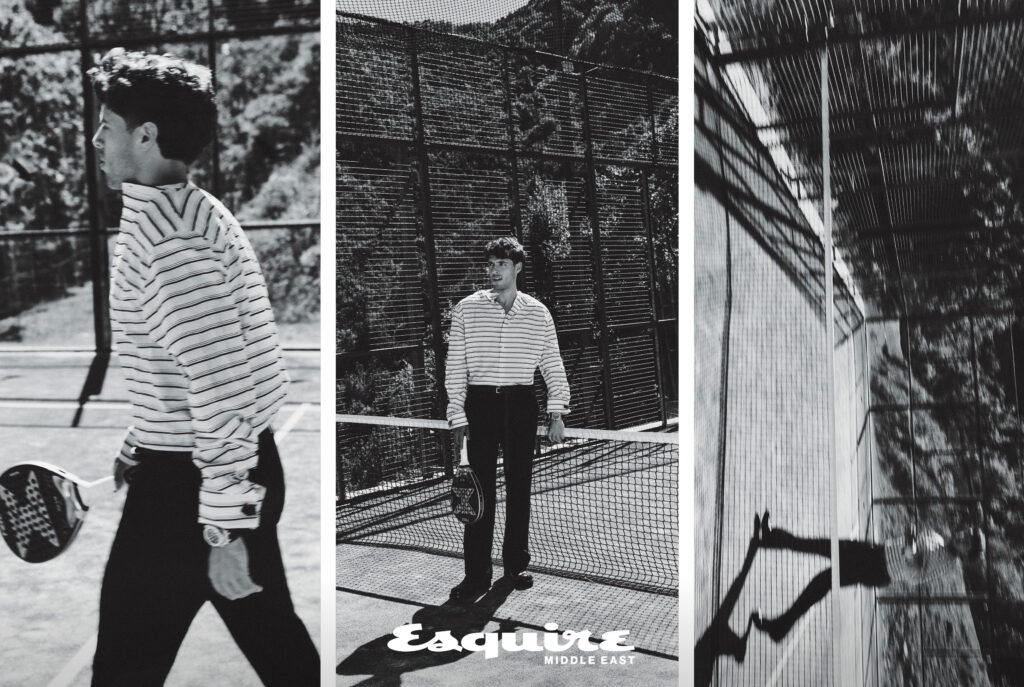
People have given you the nickname “Mozart” because you make the game look effortlessly improvised. How do you manage that instinct when winning sometimes just requires being boring, repetitive and disciplined?
To be honest, the nickname makes me a bit embarrassed. What people see as improvisation comes from countless hours of training, doing the same things over and over. Over the years I’ve learned it’s not all about the flashy shot. Sometimes you have to keep it simple, stay patient and wait for your moment. My coach, Martín [Canali], has helped me a lot to find that balance.
In what ways do you feel your playing style has evolved over your career?
When I was younger I wanted to finish every point and took way too many risks. Now I think more about how I build points. I still make mistakes, of course, but I understand much better when to attack and when to wait. I’ve also improved a lot physically. I’m still creative, just with more of a game plan.
People have compared the way you play to Roger Federer in tennis. Do you see the comparison?
It’s a huge honour, but it’s too big for me. Federer is sporting legend, not just in tennis. If people say it because of the way I play, trying to make things look easy, I take it with a lot of affection. But I’ve still got a lot of work to do to live up to words like that.
You mentioned your partner, Arturo Coello. How did you two come together as a team, and what makes you such a successful pairing?
We teamed up in 2023. We both wanted the same thing: to fight for number one. I think we complement each other really well. Arturo has a lot of power, and I try to bring other things to the table. But the most important part is the trust and respect we have for each other, on and off the court.
When a game is getting tense, what’s the dynamic between you two? Who is the fire, and who is the ice?
It depends on the day! I’m more emotional than him, and sometimes it’s hard for me to keep it in. Arturo, for how young he is, stays really calm in the tough moments. When one of us drops, the other picks him up. That’s the beautiful thing about playing in a pair: you’re never alone out there.
How much impact do things like location, altitude, indoors/outdoors, humidity and climate have on playing padel?
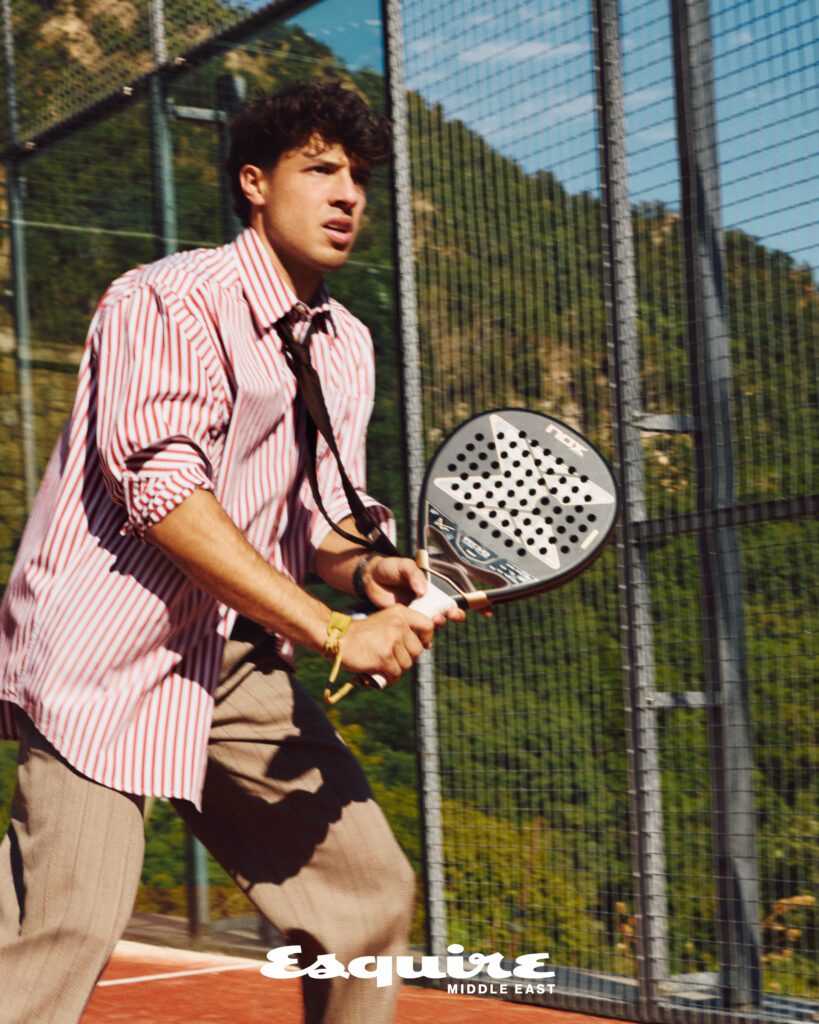
A huge amount. At altitude the ball flies more and it’s harder to control. When it’s humid the ball gets heavy and bounces differently off the glass. Outdoors you’ve got the wind, which changes everything. That’s why every tournament is different, and you have to adapt fast, sometimes with just one day of practice.
Tell us about some of the most unusual places you’ve played padel…
One I’ll never forget is Bendor Island, in France, near Marseille. It was at an Audemars Piguet event. It’s a small island with a huge hotel and padel courts right by the sea. Playing there with the ocean behind you was incredible. What I love most about travelling is seeing padel reach places where nobody knew it a few years ago, and seeing how passionate people are about it.
To date, what has been your proudest career achievement?
Becoming world number one. But more than any ranking or title, I’m proud of the journey: a kid from Catamarca who left home with a dream. I dedicate that to my family and my team, who have always been there for me.
You’re officially a Brand Ambassador for Audemars Piguet. Tell us how that relationship came about.
It happened very naturally. For me it’s a huge source of pride that a brand with so much history puts its trust in a padel player. I think we share the same values: hard work, precision and a passion for doing things right.
In your sport, every second matters. What is the most important second in your game?
It’s the second just before I hit the ball. That’s where you decide everything: whether you attack or wait, and where you send it. In that moment you have to stay calm and trust the thousands of hours that you’ve put into your training. If you hesitate, the ball knows it.
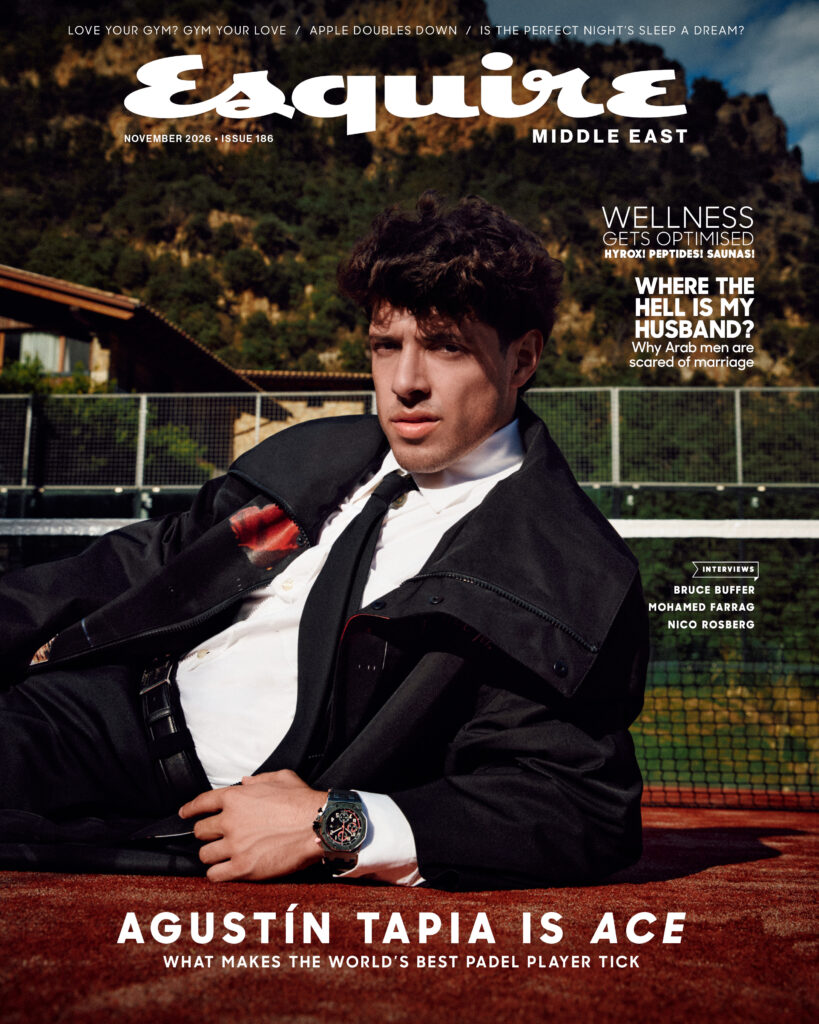
Creative Direction: Tamim Mortaza / Photography: Vladimir Marti / Styling: Diego Serna / Grooming: Daniela Trapasso; Executive Producer: Drew Brown; Line Producer: Hanns Beerthold; 1st Assistant: Leo Zabala; Location: Casa Rural Vall-llóbrega