
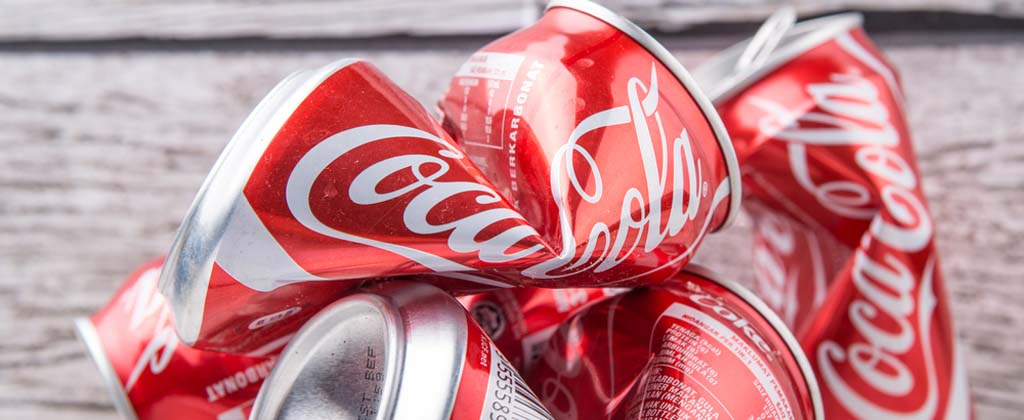

While there may be nothing good about the effect sugar has on our bodies, understanding exactly what it does once inside us is simply fascinating. So that’s what we’re going to take a look at in this article: The exact process – a play-by-play – to get a deeper understanding of what goes on when we ingest large amounts of sugar in a short time period.
Of course, one all too easy way to take on board masses of sugar is through soda – Sprite, Coke, Fanta – you name it. It’s all the same poison. And what most people find a shocker is that those orange juices you buy in the store (or Apple, or fruit punch, or anything) are often packed with even more sugar than those sodas.
But the box says it’s full of vitamin C! Ahhh, we just love the food industry’s marketing tactics, don’t we?
Ok, I am getting off topic. So, let’s get back to it. First off, let’s take our lab rat – that being any one of us. And now our test material – that being a single, 500 ml bottle of soda, which, depending on the type, can contain a staggering 54 grams of sugar. That’s nearly 14 sugar cubes people!
Now most people who drink these tend to drink these rather quickly. That’s because the sheer amount of sugar keeps you sipping – or gulping – very fast. It is a drug after all. Perhaps the deadliest and most addictive of the lot.
So within minutes that bottle is usually empty. And then the chaos in your body erupts. Let’s take a look at what you have just done to yourself.
| Phase 1
The first thing your body needs to contend with is that fact that it has literally received a sugar overdose. In normal circumstances you would actually not be able to keep it down, but in the case of soda, phosphoric acid cuts through the sweet flavour – which allows your body to fight the urge to purge.
You may also start to feel the beginnings of the famed ‘sugar high’ – as your brain suddenly finds itself with a large amount of raw glucose which it can convert directly into energy.
| Phase 2
Around 20 minutes after finishing that soda, your blood sugar level peaks, causing a huge insulin spike and initiating rapid glucose uptake throughout your body.
As your liver responds to this increase in insulin by converting the large amounts of sugar you have just consumed into fat, the resulting fall in blood glucose levels will soon leave you feeling low and sluggish.
But not so fast…
| Phase 3
Along with the sugar, your body has now absorbed over 50 mg of caffeine, blocking the adenosine receptors in your brain – preventing drowsiness and keeping you on high alert. As a result of this, your pupils dilate and your blood pressure begins to rise as your liver injects yet more sugar into your bloodstream.
At this point, approximately 40 minutes after finishing your drink, your elevated sugar levels cause your body to increase its dopamine production which act to stimulate the pleasure centres of the brain.
However, this sugar high will not last much longer. The party is starting to wind down.
| Phase 4
This is where the soda’s diuretic properties start to take effect – and arguably where the most damage is done. Roughly 60 minutes after finishing your drink the extremely high levels of sugar – not to mention artificial sweeteners – will encourage your body to urinate.
However this time it is not just waste you will be getting rid of.
The phosphoric acid in your soda has already bonded calcium, magnesium and zinc in your lower intestine, which you are now expelling from your body – along with precious sodium, electrolytes and water.
| Phase 5
By now, over an hour since you tossed that soda bottle in the bin, you’ll be saying hello to that low mood and sluggishness we talked about earlier as you begin your decent into the fabled ‘sugar crash.’
You will have not only passed all of the water that was in your soda, but you have also said goodbye to a whole host of vital nutrients that your body really needs.
Chances are, you’ll also be feeling less hydrated and certainly less energetic than you would have been had you never opened that soda in the first place.
Takeaway
As I mentioned previously, while soda is a sure-fire way to overload the body with sugar, it’s far from the only one. Many people still consume way too much sugar through processed foods, breakfast cereals and sweet snacks – to name just a few. Most deceptive are those foods we have come to believe are so healthy – such as those fruit-flavoured yogurts, many of which are brutally high in sugar content.
This high sugar intake is not to be taken lightly. Elevated insulin levels – which you will definitely have if you are drinking a lot of soda or juices – can lead to very serious cardiometabolic problems, from diabetes, heart disease, Alzheimer’s – all the way through to cancer. This is due to sugar producing a low-grade “silent inflammation” throughout the body.
The long and the short of it is that there is no place for sugar in the human diet. I know it is easier said than done. It is, after all, everywhere, and if it is put in front of you (which on a daily basis it is likely done multiple times in our Western-diet society), the discipline required to say no is monumental. But you have to find that discipline if you are looking to reach and maintain your optimal health levels and avoid serious illness.
 Graham Simpson, MD is Chief Medical Officer and Founder of Intelligent Health, a preventive medical centre located in Jumeirah. Dubai. He graduated from the University of the Witwatersrand Medical School in Johannesburg, South Africa, and is board certified in Internal Medicine and Emergency Medicine. As a founding member of the American Holistic Medical Association (AHMA) Dr Simpson is also a licensed homeopath.