

Where did it come from?
The virus was identified in 2012, with genetic testing revealing it’s similar to bat coronaviruses, leading to speculation that the outbreak began with a bat bite. However, a report in the online medical journal mBIO claims the virus has been swimming about in Saudi Arabian camels for two decades, and can be transmitted to humans without needing to adapt in another animal.

So we should stay away from camels and bats?
If only it were that simple. There are numerous cases of people in Saudi Arabia contracting the virus without being exposed to either creature. At first, it was assumed they were coming into contact with other MERS carriers, but that doesn’t appear to be the case. Scientists are currently still trying to discover exactly how it spreads.
 How contagious is it?
Not very, though a recent spike in Saudi Arabia has scientists worried that it’s mutated. On April 21, the country reported 17 new cases on that day alone, adding to the 20 cases detected over the previous three days and 50 over the course of the week. That’s not good when you consider that just 261 cases were identified over the previous 18 months. More worryingly, 81 of the infected have died. It’s now appears a real possibility that the virus has adapted to become more contagious.
What are the symptoms?
It presents like pneumonia, with sufferers developing a fever, cough and shortness of breath.
How do people stay safe?
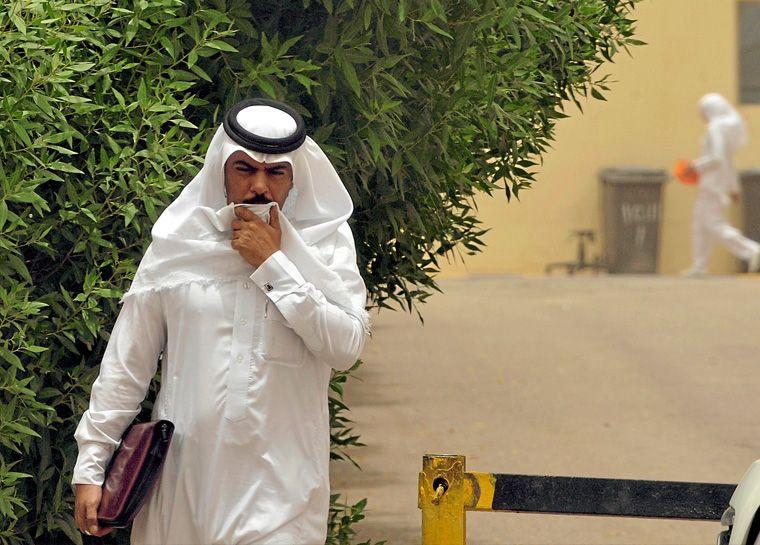
Many respitory illnesses – including the flu – are spread through droplets created when people sneeze or cough. It’s thought something similar could be happening with MERS, but there isn’t enough evidence to make a conclusion. The World Health Organisation is advising people to cover their nose and mouth when they sneeze, and to sanitise their hands afterwards. It’s also recommending that hospitals isolate MERS patients while they’re treated. The tactic appears to be working, with the Abu Dhabi Health Authority claiming to have successfully treated 10 cases of MERS by keeping the patients in isolation.

Is there a vaccine?
Not yet.
So what’s being done?
Saudi Arabia is convening some of the world’s leading scientists to investigate the virus, while organisations including the World Health Organisation and Centres for Disease Control and Prevention are investigating.