
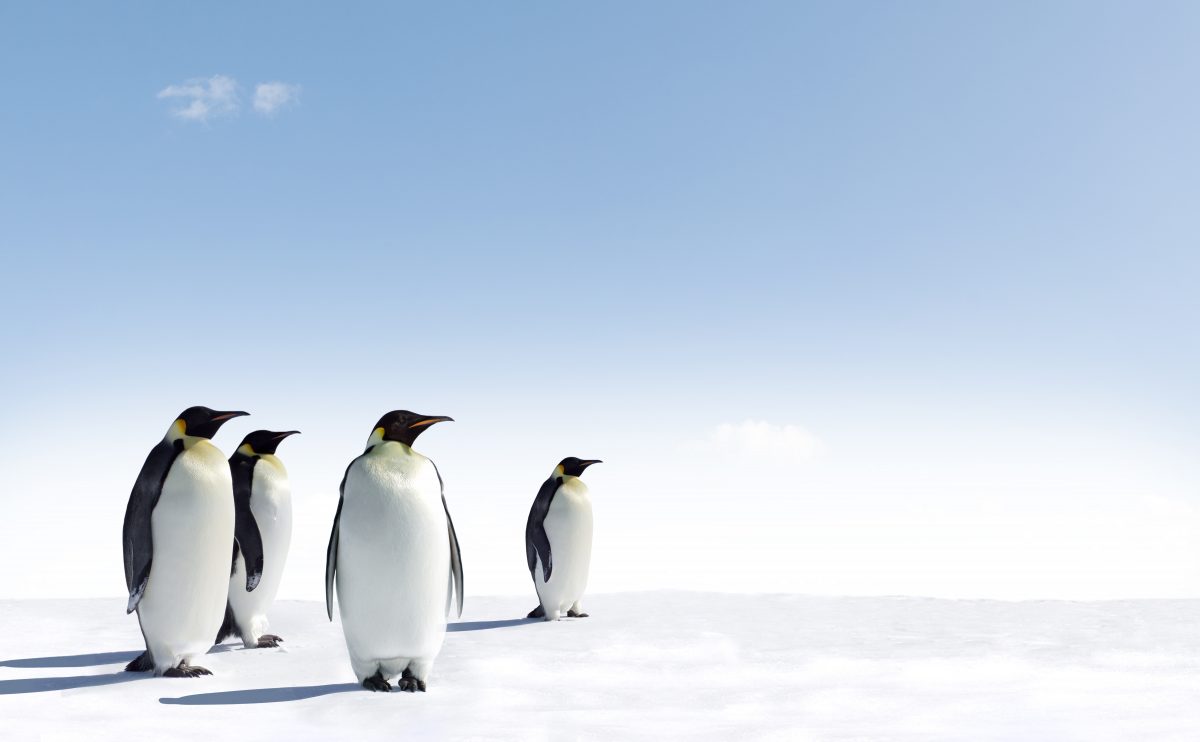

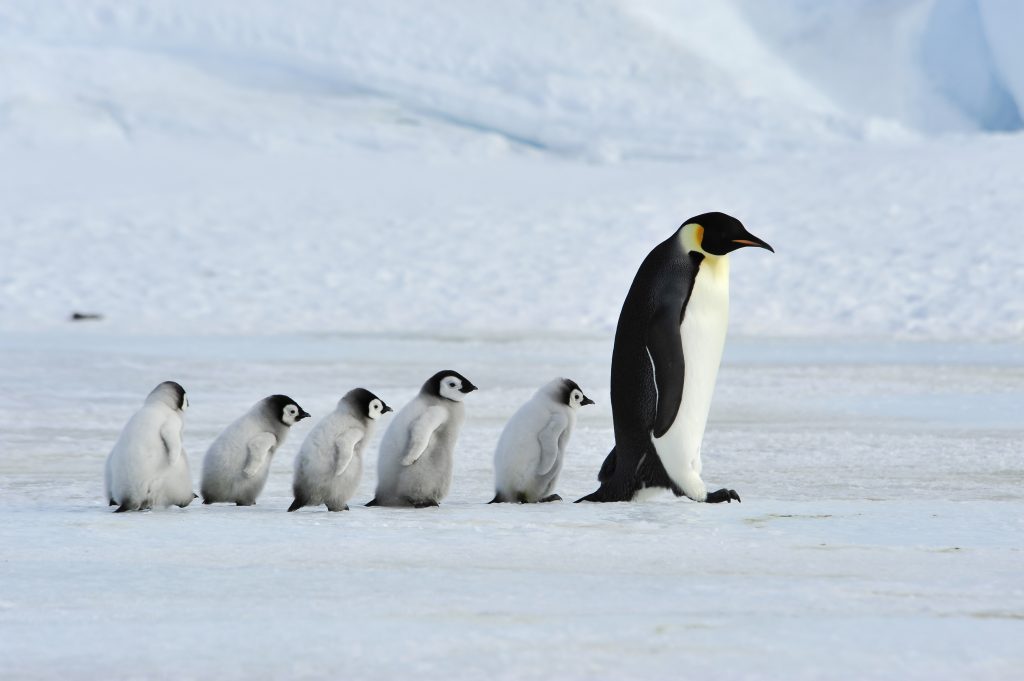
The beloved emperor penguin, the tallest and heaviest of all living penguin species, are on the endangered species list, meaning they’re being driven to extinction.
Only recently classified as ‘near threatened’, two notches higher than the endangered species list, the giant birds that live only on Antarctica have been further threatened due to climate change.
Why exactly? There has been a huge loss of sea ice because of climate change, which is putting their long-term survival in peril, according to experts.
“This listing reflects the growing extinction crisis,” Martha Williams, the federal wildlife agency’s director, said in a statement, as the agency gave the iconic seabird protection under the Endangered Species Act. “Climate change is having a profound impact on species around the world.”
The Center for Biological Diversity petitioned the US federal government in 2011, which officials agreeing to list the penguins yesterday.
What steps will now be taken to protect the animals are unclear.
Sea ice has been less of a problem in Antarctica than it has in the north pole, where ice has vanished to an astounding degree very quickly, but it is still disappearing.
According to experts, at the current rate, the ice loss will be so great by the end of the century that all emperor penguin colonies will be gone.
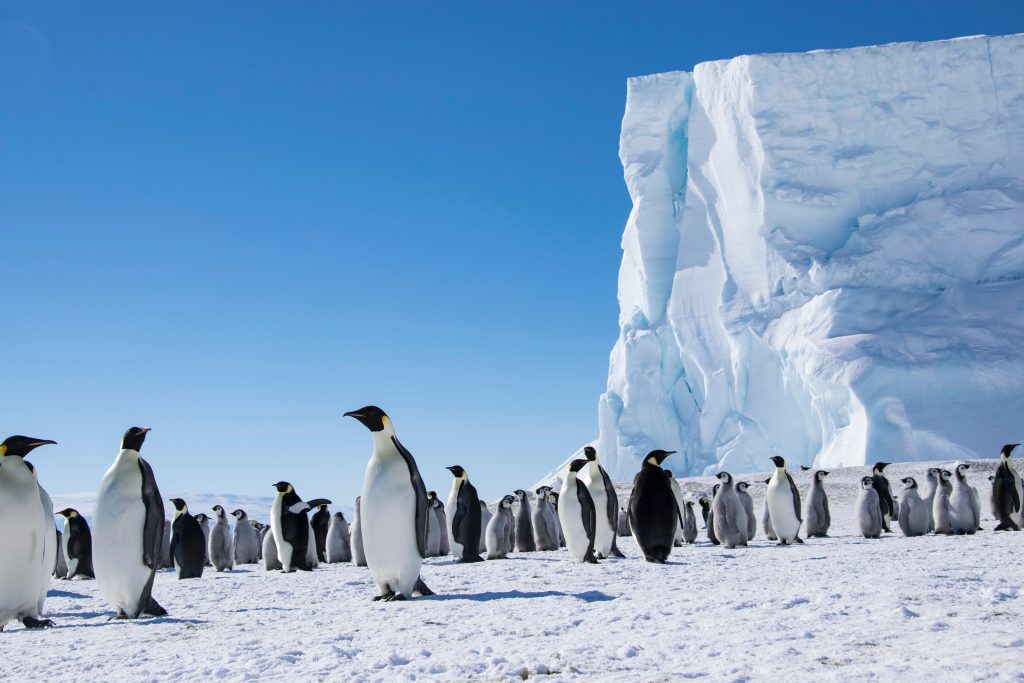
So yes, they’re going extinct, and if we don’t do anything, they’ll be gone within 78 years.
“That body of science really helped to make this decision really clear,” said Shaye Wolf, the Center for Biological Diversity’s climate science director to The Washington Post. “That the penguin is endangered by climate change and needs all the protection it can get.”
One of the big problems is the famous ‘march of the penguins’ that emperor penguins go on, as well as the two months that males spend incubating the penguins’ eggs while females hunt and fish. Emperor penguins go dozens of miles on these hunts.
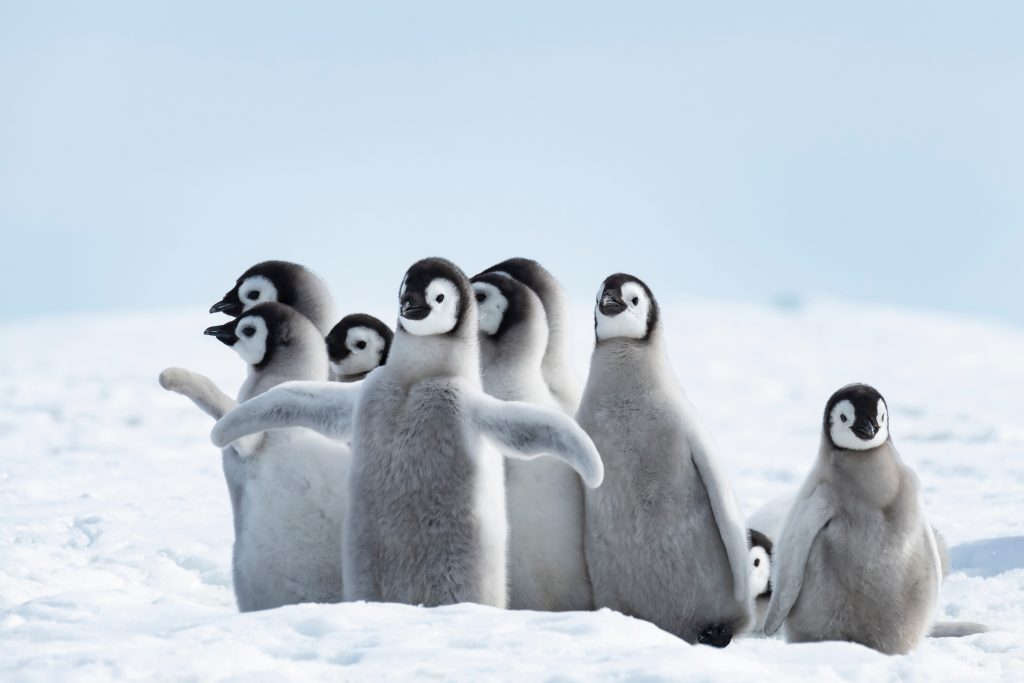
Currently there are around 625,000 and 650,000, but these numbers could disappear fast unless we act now, according to Stephanie Jenouvrier.
If we are able to decrease pollution, there would be a ‘much less severe’ decline, she told The Washington Post.
“If we manage to take action, and especially action now,” she added, “we can still avoid the extinction.”
How to help save the emperor penguins
Want to help? there are organizations such as Pew which are focused on saving Antarctica’s wildlife. Click here to find out how to get involved.