
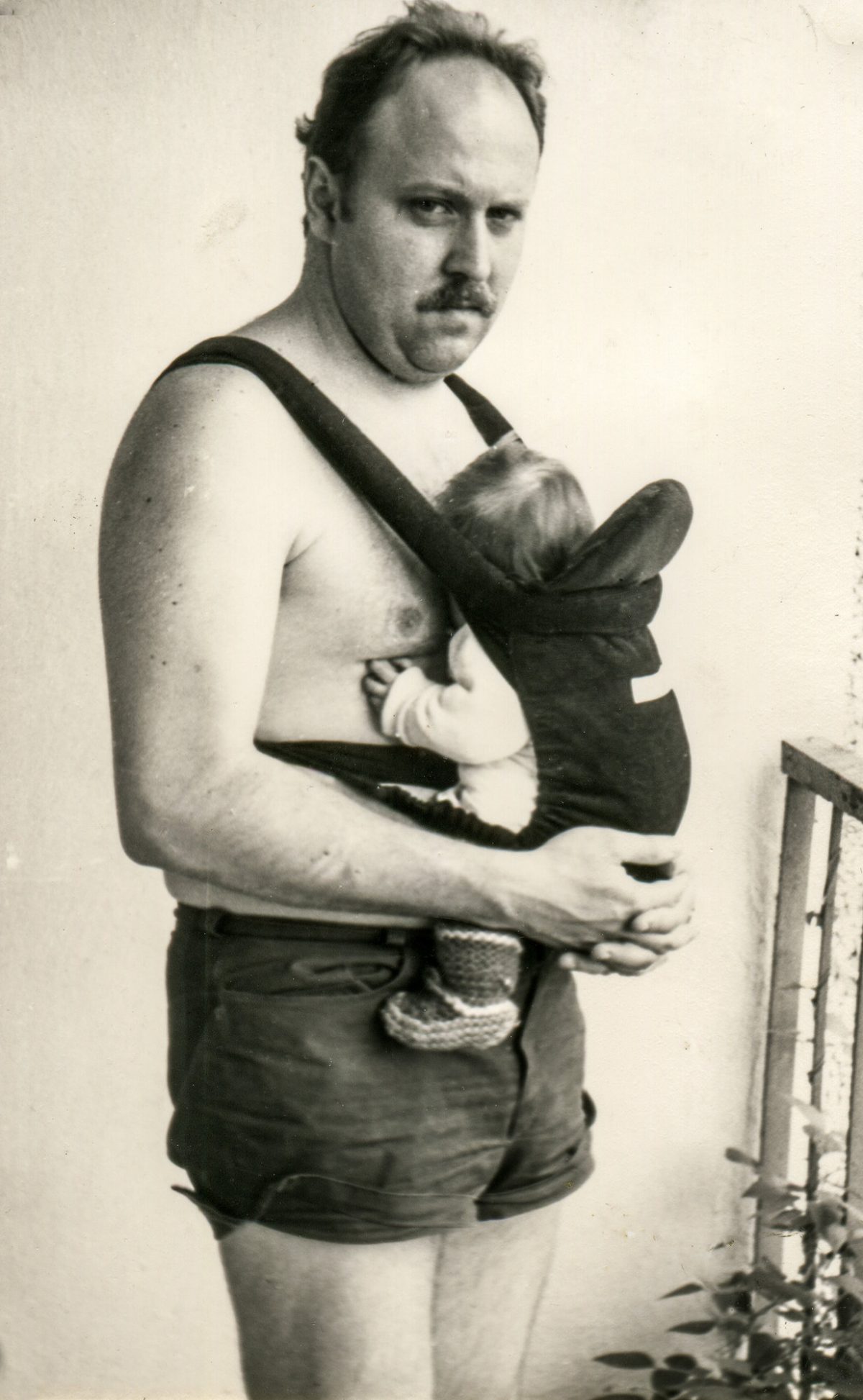
Fatherhood means more than anybody thinks.
Fatherlessness significantly affects suicide, incarceration risk, and mental health. Various studies over the years have shown that fathers spending time with their children results in a better, healthier, more educated, more stable, less criminal world. The new fatherhood is not merely a lifestyle question, it is a public good.
The attention of fathers is irreplaceable
A single small but vital fact distinguishes men of the past 50 years from all other men in history: Most of us see our children being born. It’s one of those changes to everyday life that we take for granted but that have the most radical consequences. Up until the mid-1960s, the mysteries of birth were mainly the preserve of women. Then, suddenly, they weren’t. Men insisted on being with their wives as they gave birth, and with their children as they came into the world. Of all the grand upheavals between men and women over the past two generations—the sexual revolution, the rise of women in the workplace, and the rest—the new fatherhood has been, in a way, the easiest.
Despite no historical examples of male nurturers, no literature of the macho caretaker, men have taken to the new fatherhood in all its fleshiness and complication without much struggle, indeed with relish. Today the overcaring father has morphed into a mockable cliché—you’ve seen them comparing stroller models at the playgrounds, or giving baby a bottle in a bar during Premiership games at the weekends, or discussing the latest studies on the merits of early music education for “executive function.” The new father is an engaged father by instinct. Witnessing birth was the beginning of a widening intimacy. The new father holds his babies. He bathes them. He reads to them. The new father knows that the role of the father is not merely to provide food and shelter. The role of the father is to be there, physically and mentally.
Working fathers are reckoning with the consequences of these new insights. A 2013 study from Pew Research found that men and women found nearly identical levels of meaning in childcare. The problem of work-life balance isn’t just for women anymore, and the father who works eighty-hour weeks because his job is so important is no longer seen as something to aspire to. He’s pitiable. The fact that women are increasingly breadwinners has opened up new options for some—the stay-at-home dad has changed from sitcom-worthy freak into the subject of endless lazy trend pieces—but even men who have power are finding new strategies.
“The only luxury is time, the time you spend with your family.”
This is not the quote of a family-values politician. That’s Kanye West talking.
The new fatherhood isn’t the old patriarchy
The old fatherhood was a series of unexpressed assumptions. The new one requires intelligence and judgment. The new fatherhood is messy. It will have to be. In the face of this messiness, there are men, and not just a few, either, who retreat into fantasies of lost idylls, worlds where men were men, whatever that might have meant. Michael Kimmel’s books Guyland (2008) and Angry White Men (2013) is full of guys who wallow in an “aggrieved entitlement.” The new father is not so shallow nor so old-fashioned. Only the truly lost man would want to return to his grandfather’s way of life. Who would want to go back to the bad food, the boring sex, the isolation? Who would want to be financially responsible for a family and then never see them? The new fatherhood is a huge gain for men, the chance for a deeper intimacy, a whole new range of pleasures and agonies, a fuller version of our humanity.
Father is a precious resource
At the heart of the new fatherhood is a somewhat surprising insight: Men, as fathers, are more crucial than anybody realized. The changing father is transforming the world at all levels, from the most fundamental to the most ethereal, economically, socially, politically. The epidemic of fatherlessness and the new significance men place on fatherhood point to the same clandestine truth: The world, it turns out, does need fathers.


-1200x900.jpg)
