
-
From a ‘Full Yellow’ ruling to an all female team, the prestigious race this year has some interesting changes
-
We look at some of the cars of this year and their designs
-
We’ll also discuss what the addition of hybrid cars means for Le Mans over recent years
The world’s oldest sports car endurance race is back for its 2019 edition. The 24 Hours Le Mans this year will be its 87th race. We’re here to look at some of those changes and also talk about what you can expect from the race this year.
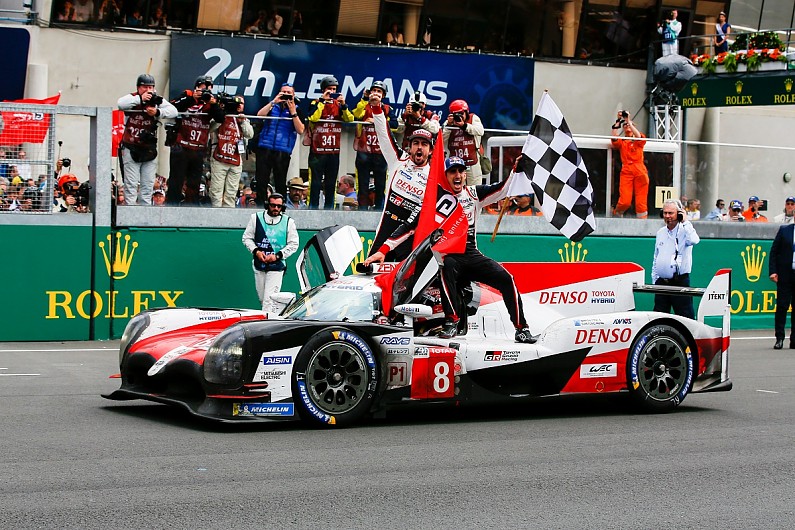
First up with the LMP1 class, we have eight vehicles, including two hybrids. Alonso, Buemi and Nakajima are looking to win Le Mans twice in the same season Thomas Laurent aiming for his third overall podium in a row. To date, there are five 24 Hours of Le Mans winners in the LMP1 list. What makes the list interesting this year are the hybrids, hybrid systems have always done well in recent years as the rules have changed to their benefit, as well as the fact the vehicles are quite efficient.
The LMP2 class has 17 vehicles, including five Ligier chassis, 10 Oreca, and two Dallara. There are also 17 LMGTE Pro entries, and 18 LMGTE AM entries, not to mention numerous reserve cars.
The LMGTE classes this year have attracted some of the most famous cars and car brands. These include Ferrari, Porsche, Aston Martin with its new car, the AMR Vantage, Ford, Chevrolet Corvette and BMW. The cars are as follows, M8s, 911 RSRs, 488s, GTs and C7Rs. The BMW M8 is the car the brand is using to make a return to the race, so pay close attention there.
One of the interesting things to look out for this race is Car #83 by Kessel Racing, with an all-female line-up, a first in this race.
Finally, we’d like to remind readers this year of the new regulation in the race, ‘The Full Course Yellow Rule’. This is a new regulation to replace the use of safety cars that would otherwise slow the race and break the flow. The ruling dictates that cars will slow down to 80 kph (50 mph), line up and maintain the distance to each other, without the use of a safety car.
The race commences on the 15th of June.


_1-1000x900.jpg)
