
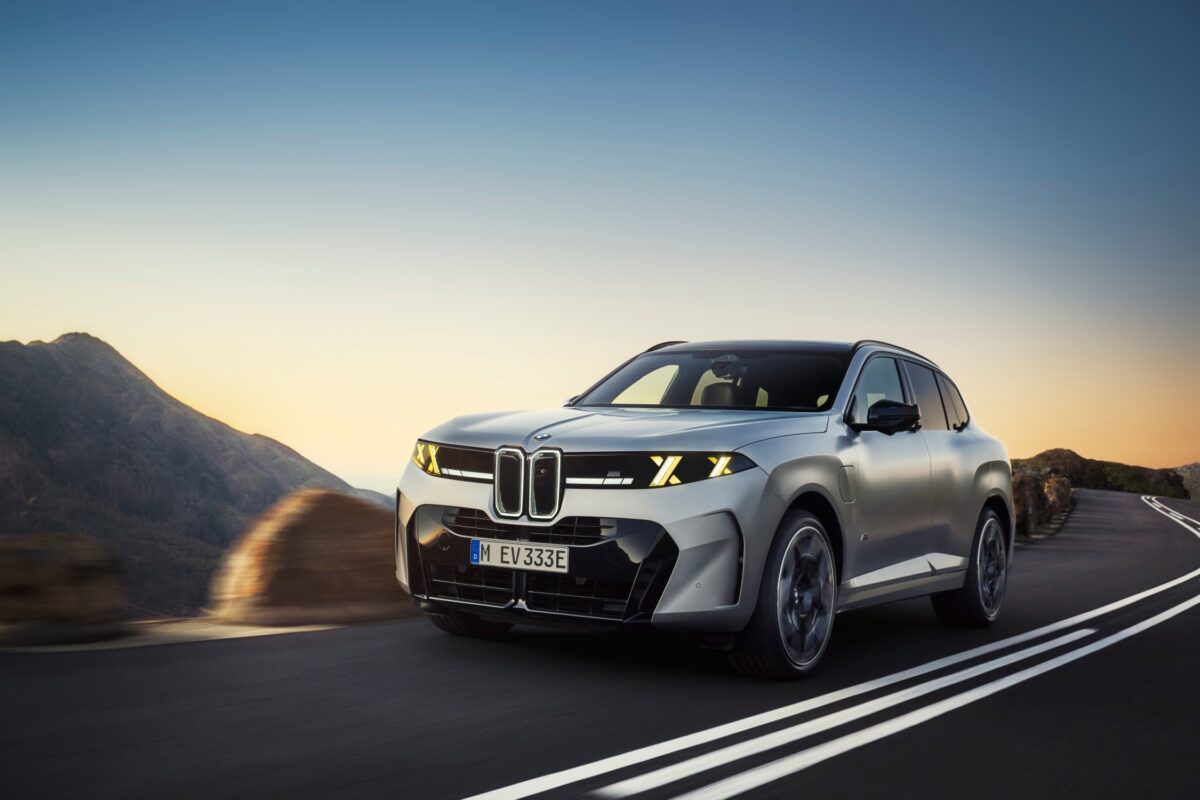

The BMW X5 has always understood timing. Not as a response to change, but as anticipation of it. Since 1999, it has defined the idea of the modern Sports Activity Vehicle — a category it effectively invented — by staying just ahead of the questions the industry hasn’t fully asked yet.
Now, in its fifth generation, it sets a new definition of progress.
The headline is simple but unusual in today’s automotive landscape: five powertrains, one model. Petrol and diesel engines with 48V mild hybrid support remain for continuity. Plug-in hybrid expands efficiency without removing familiarity. Then come the two futures BMW is willing to place on equal footing: a fully electric iX5 and a hydrogen fuel cell iX5 Hydrogen, the latter arriving shortly after launch.
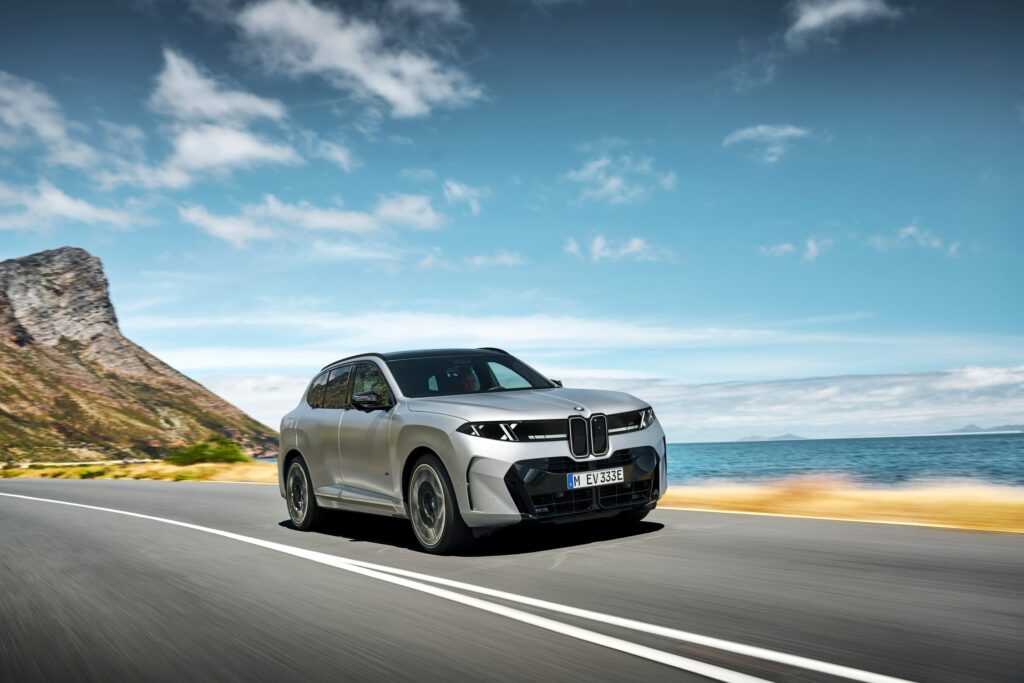
It is not transition. It is coexistence. The electric iX5 leads the charge with BMW’s sixth-generation eDrive system, built around 800V architecture and new cylindrical battery cells. Range extends up to 845 kilometres, with fast charging and bidirectional energy flow that allows the vehicle to supply power back to external systems. Performance is immediate, but the emphasis is endurance — distance without compromise.
Hydrogen, meanwhile, occupies a different kind of logic. The iX5 Hydrogen combines fuel cell technology with high-voltage support and BMW’s new Hydrogen Flat Storage system, targeting up to 750 kilometres of range. Where electric represents scale, hydrogen represents optionality — a reminder that infrastructure is still a question, not a conclusion.
Together, they form the X5’s central argument: there is no single answer to mobility yet.
Design follows the same philosophy of controlled expansion. The silhouette remains upright, confident, architectural but the execution is cleaner, more reduced. BMW’s Neue Klasse design language reshapes the surface into something more monolithic. The kidney grille becomes vertical and illuminated with Iconic Glow. New “double-X” light signatures introduce a sharper visual identity, less decorative than declarative.
Along the side, flush surfaces and sculpted clarity replace visual noise. Even the door handles are reimagined as integrated winglets, revealing themselves only when needed. It is a car designed to disappear into its own form.
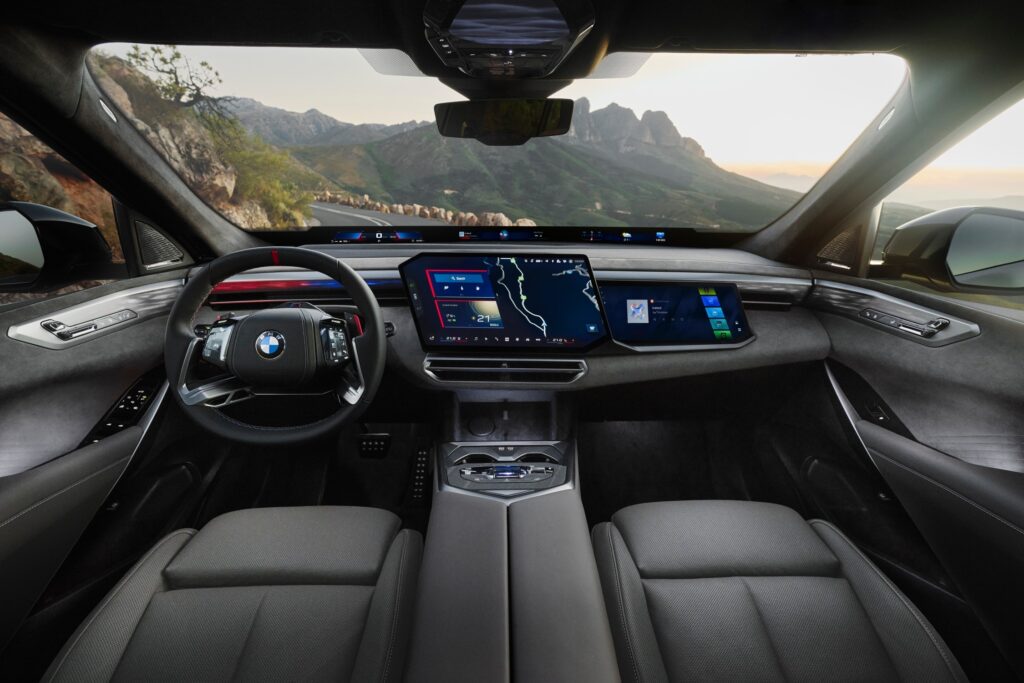
Inside, the shift is more atmospheric. Slate, glass, and textured materials replace conventional trim hierarchies. BMW introduces slate as a first in automotive interiors, not as novelty but as texture — a material that changes how luxury is read rather than how it is shown.
The digital architecture builds around BMW Panoramic iDrive, stretching across the windscreen as a full-width visual layer. The central display, 3D head-up projection, optional passenger screen, and redesigned steering wheel form a single ecosystem rather than isolated interfaces. Ambient lighting wraps the cabin from door to door, softening the transition between physical and digital space.
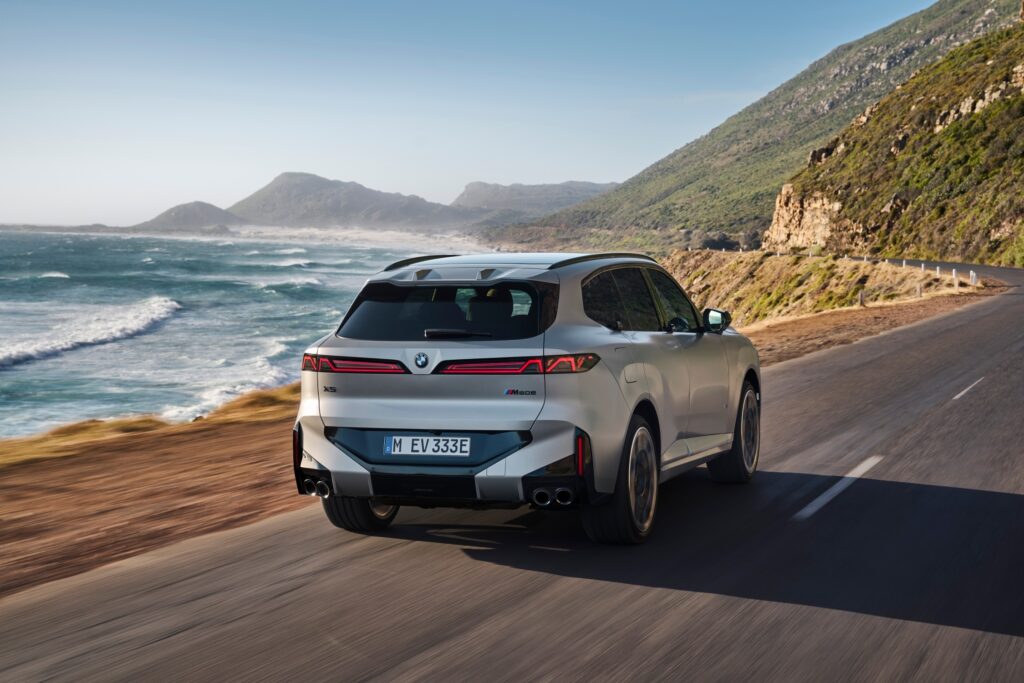
Driving, however, remains the final authority. Adaptive suspension comes standard, with optional roll stabilisation and chassis control systems extending composure across all terrains. The near 50:50 weight distribution continues BMW’s long-standing focus on balance, while new Symbiotic Drive software adapts assistance systems to driver behaviour rather than overriding it.
The new BMW X5 production begins in Spartanburg in August 2026, with market launch following in late 2026 and electrified variants arriving into 2027.