For the longest time 2020 felt like a distant, far-off year that we would just never reach, but we have finally arrived and ‘future tech’ is quickly becoming ‘modern tech’.
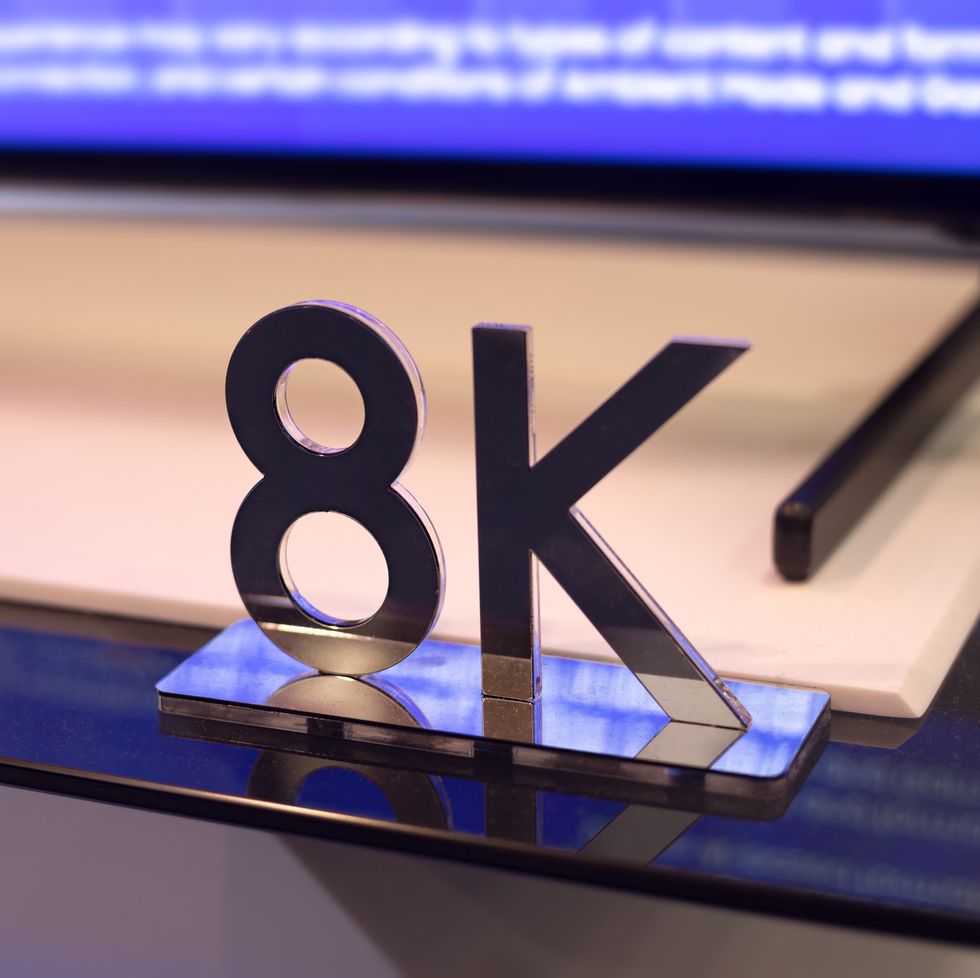
CES 2020 has given us a taste of what to expect from the next decade of gadgets and it appears the 8K TV floodgates have opened.
Yeah, that’s right. Just when you thought you were catching up to the tech trailblazers by upgrading to 4K, the world has already moved on to shiny, new 8K TVs. Typical.
But is that really the case? Las Vegas has become the showground for what we will be buying and Netflix bingeing on, but is it really time to chuck that new 4K tellybox out of the window and invest in something even better?
The world’s biggest tech giants, from Sony and Samsung, to LG and Toshiba, are dropping millions into developing extreme resolution displays and fast-motion screens that will place you directly in the action. But the rest of us are still trying to work out what 4K actually means.
So should you be buying into 8K? Well, we think you should hold onto your pennies for now. We might be living in a post-Blade Runner-era 2020, but 8K entertainment is a trend you just don’t need to follow. Here’s why:
8K TV Explainer – What is 8K?
Stick with us here, as we’re about to throw a bunch of letter spaghetti and tech jargon at you, but it will all make sense in the end.

8K refers to the amount of pixels a display can show you, with the more pixels making the image quality higher and sharper. If there are less pixels in a particular image, it means that individual pixels are required to do more work and display more data, meaning the image will look blurry and washed out. A greater number of pixels per inch means there are more pixels to share the load and make content look much crisper and smoother.
You might notice on YouTube you can improve the quality from 360p (a blurry, pixelated, vomit-inducing mess) into HD and above, meaning the video will display in at least 1080p (1,080 horizontal pixels by 1,920 vertical pixels), which used to be the old standard for TVs in the early 2010s.
Since then, the world has moved on to 4K, which is the new standard of TVs. This bumps up your pixel count to 3,840 x 2,160 pixels, essentially quadrupling the resolution of your TV and improving the quality by a huge step.
4K is a massive stride forward if you’re coming from standard HD quality, and you’ll definitely notice the difference – images will stand out more, colours will pop, and landscapes will shine in amazing detail.
What CES 2020 is showing us is that 8K is the next grand step forward in entertainment, doubling the resolution again to 7,680 × 4,320 – or a massive 16x better than HD.

Obviously there are many more factors at play when thinking about picture quality on your TV (think HDR, screen refresh rate, DVD vs Blu-ray) but just looking at the pixel aspect, 8K is, at least on paper, better than 4K in every way. Or is it?
So now I have to buy an 8K TV? I just bought a 4K TV!
Well, you can if you want to, but only if you’ve got a spare US$10k to throw at a TV.
8K is still in the extreme early-adopter phase of release, with only a couple of people actually buying them from shops right now, particularly in the UAE. In fact, only 900,000 8K TVs were sold in 2019, and half of those went to Chinese consumers, so you really don’t need to rush out and take out a second mortgage to get one right now.
Samsung is making the first real attempt to bring 8K TVs into regular people’s living rooms and, even then, it’s going to take a fair chunk out of your bank account.
That’s actually half the problem with 8K TVs right now, as most of us mere mortals will be priced out of the technology almost immediately.


.jpg)