
I blame work. I blame Netflix. I blame my children. There was a time when real video games were an integral part of my life, but adulthood and modern challenges have made this pastime a faint memory. Hold on, phone alert. “Lost Ballots Found in Warehouse”? Oh, fake news, I blame you, too. Insert “Angry Face” emoji.
And by “real video games,” I mean the kind that you pop into your Xbox or PlayStation and settle onto your couch to play until you realise, several levels later, that you’ve run out of Red Bull and haven’t showered in days. The mindless Candy Crushesque games you play on your phone are really more of a distraction from your interminable commute. The hard-core stuff — the Call of Dutys and Grand Theft Autos of the world — require the kind of commitment people seem more willing to give to binge-watching Stranger Things.
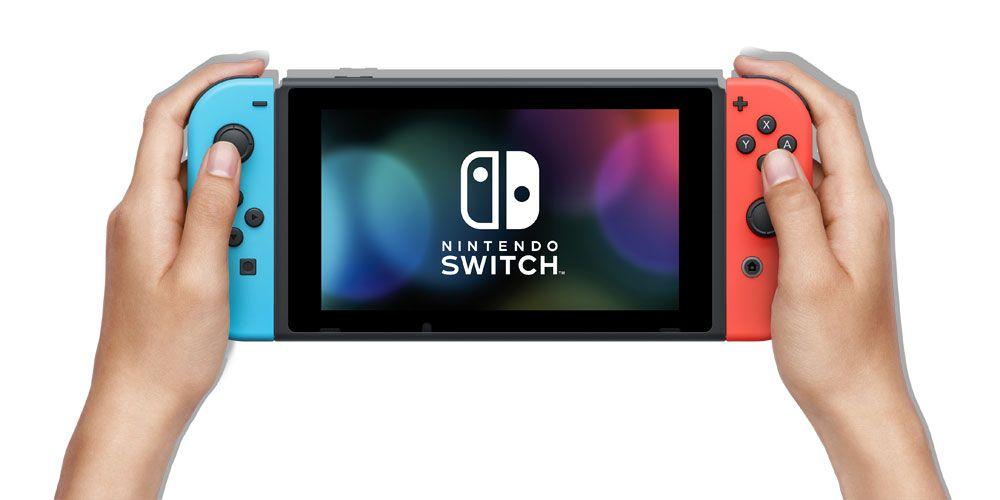
For the grown-up, time-strapped lapsed gamer, hope can be found in the recently released Nintendo Switch (Dhs1,100; nintendo.com), a full-fledged console that you connect to your television, something humans have done since the days of Pong (which you may or may not remember was launched in 1972). The so-called “switch,” the thing that will have you dreaming of Princess Zelda again? You can remove the tablet-like console from its dock and play anywhere: on the Metro, in a taxi or at your millennial playground of an office — sorry, Ashley, no time for a lunchtime foosball sesh. I’m deep into Splatoon 2.
When it comes to innovation and design, the Switch stands apart from the rest. It’s an impressive piece of Transformers-like hardware: a tablet with a 6.2-inch screen (a bit larger than an iPhone 7 Plus’s) and smartly designed controllers that can slide off, allowing you to place that screen on a table and have a second player challenge you in Mario Kart with the other “Joy-Con.” Despite the controllers’ clunky name, the Switch stirs up a lust for gadgets from a time before high-tech devices became black rectangles.
Gaming systems, no matter how slick, live and die through their killer apps, however. The Switch launched with only a handful of games, the most notable of which is Legend of Zelda: Breath of the Wild. (Super Mario Odyssey is coming soon.) Playing Zelda made me nostalgic for my student days, when I could recall a tune on Link’s ocarina better than I could the difference between nominal and real GDP. Mario Kart is as fun as it’s always been — a true trans-generational game if ever there was one. For those of you who long for the party-friendly motion-controlled games of the original Wii, 1-2-Switch is for you. You can play quick draw and table tennis, even virtually milk a cow. Whoever produces the most milk wins — if only life were still that simple.
The Switch has its share of challenges: It’s competing against a plethora of mobile-entertainment options and lives in a world where the powerful PlayStation Vita portable system failed, one can surmise, because the thousands of games in a phone’s app store provided enough of a fix.
But we carve out time and money to do things that are meaningful to us. I still get joy from the time-tested Nintendo titles. I’d rather tackle Zelda on a cross-country flight than some rom-com. And though it probably won’t end up on the Switch, I’ll dust off my Xbox to play the new Red Dead Redemption this fall — along with GTA, it’s the pinnacle of games as culturally relevant entertainment. It feels as though the Switch exists to extend the life of traditional console gaming until “playing video games” means strapping a VR headset to your face. But until that day comes, I’ll play on.
***
The Best-Selling video games of the past five decades
1978 – Space Invaders (2.5 million sold)
1984 – Tetris (495 million sold)
1996 – Pokemon (23.5 million)
2006 – Wii Sports (82.8 millon)
2011 – Minecraft (106.8 million)