
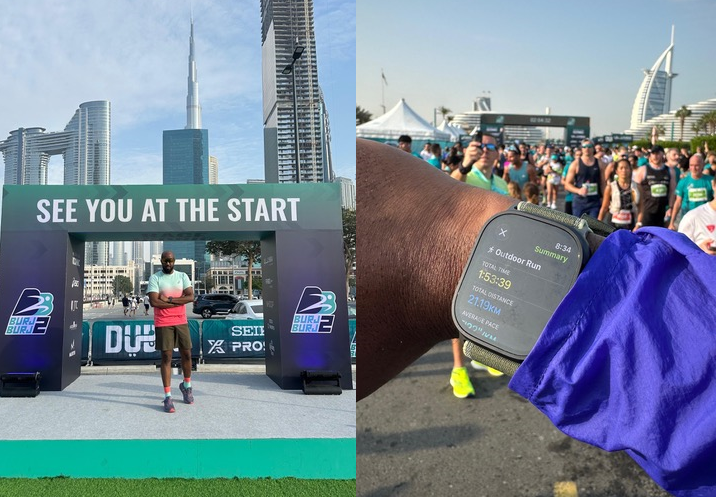

Burj2Burj has just lit up Sheikh Zayed Road. Next stop: Ras Al Khaimah. For Coach Husam Mohamed and Dubai’s TIBID community, the miles are more than medals. They’re a lifestyle, tracked one heartbeat at a time.
Last weekend, Dubai did what it does best: it turned spectacle into sport. At dawn, runners streamed from the base of Burj Khalifa towards Burj Al Arab, stitching together 21.1 kilometres of tarmac, skyline and ambition at the Burj2Burj half-marathon. The race, equal parts endurance test and city showcase, has quickly become a fixture on the UAE’s social calendar, drawing everyone from corporate high-flyers to first-time runners chasing a personal best. Now, as medals are packed away and recovery runs begin, attention pivots north to the next big-ticket event: The RAK Half Marathon, one of the fastest and most respected courses on the global circuit.
But beneath the headline times and finish-line selfies lies a broader shift in how the Emirates trains. Running here has become more about community, routine and ritual. Sunrise meet-ups. Post-run coffee. Shared Strava screenshots. And increasingly, the subtle glow of tech like the Apple Watch on wrists across the pack, quietly logging heart rate zones, sleep cycles and stride length as runners balance work, family and finish lines. At the centre of this movement is Coach Husam Mohamed, founder of TIBID, whose own transformation from obesity and chronic illness to marathoner mirrors Dubai’s wider wellness awakening.
For him, and the hundreds who train alongside him, technology isn’t the headline act. It’s the enabler.
What sparked the change for you back in 2018? Was it really the Dubai Fitness Challenge that flipped the switch?
It was. The energy around the Dubai Fitness Challenge pushed me to take my health seriously and see what I was capable of. I started with small, realistic changes to my eating habits and daily routine. That built a foundation for something much bigger. What began as a goal to lose a few kilos turned into a complete lifestyle shift. Along the way I discovered a real passion for fitness and personal growth, and now I try to share that with others.
Losing more than 50 kilos and reversing diabetes and high blood pressure is no small thing. What was the toughest part, and what did that first marathon finish line feel like?
The hardest part was changing my lifestyle completely. It was not just about diet or training. It meant rethinking my habits and mindset every single day. Discipline became non negotiable. Crossing my first marathon finish line was emotional. It was proof that the work mattered. It showed me that consistent effort can transform you physically and mentally.
You are still working as an engineer. When did fitness become more than just a side interest?
I am still a full time engineer in property and project management, but fitness became a calling. It is what gets me up early to train before work and keeps me focused after a long day. It is not just about workouts. It is about helping people build confidence and lasting habits. For me, fitness enhances my career and my energy rather than replacing it.
How did TIBID start, and what does the name mean to you?
TIBID started as a small group of friends training outdoors. Over time it grew into a wider, inclusive movement. The name means waves in Nubian. That idea of waves reflects movement, flow and the ups and downs of both fitness and life. Progress is never perfectly straight. As a community we move together and support each other through those phases.
A lot of people say they are not runners. How do you get them moving?
Most people join for the community first. The conversations and the atmosphere make it enjoyable. I share my own story so they can see that change is possible. Many start by walking. Slowly they build confidence and stamina. Running becomes something they grow into. It is not about labels. It is about starting where you are.
You often say your biggest achievement is still ahead. What do you mean by that?
For me, health is a lifestyle, not a single goal. The real achievement is maintaining it year after year. It is about consistency and growth over time. Every workout and every choice adds up. That long term commitment is what matters most.
When did group running become central to your journey?
I discovered group running as a way to make fitness sustainable. The accountability and support made a huge difference. It is more than kilometres or pace. It is about connection. People help each other because they remember when they needed help themselves. That shared growth is powerful.
Is there a moment with the community that stands out?
I always think about the early days when it was just me and one other person training. Seeing that grow into a full community has been incredibly rewarding. Events like the Ramadan NAS Tournament and Dubai Fitness Challenge brought even more people together. Watching everyone move as one is something I will never forget.
What is it like training through Dubai’s landmarks?
Running through Dubai is inspiring. From the Burj Khalifa to the waterfronts, every route has its own energy. The city’s ambition pushes you to aim higher. Every run feels like a reminder that growth is possible.
How does Apple Watch fit into your training routine?
I recently switched to Apple Watch Ultra and it has become central to my routine. I use it to track workouts, recovery and sleep. Heart rate is key for knowing when to push and when to rest. The Activity rings also keep me accountable. Seeing daily progress reinforces the power of small, consistent actions.
What do you appreciate most about the wider Apple fitness ecosystem?
It is simple and intuitive. Tracking progress feels effortless, which makes consistency easier. Everything works seamlessly across devices, so I can review trends and stay on top of my goals. Fast charging also means it is always ready when I am.
How would you describe the evolution of fitness culture in Dubai?
Dubai has become a leader in wellness. Initiatives like the Dubai Fitness Challenge have changed mindsets. Fitness is now integrated into work, family and social life. It is no longer a side activity. It is part of the culture.
And after a big race, how do you keep the momentum going?
I set a new goal straight away. For me, races are checkpoints, not finish lines. Having another target keeps me focused and motivated. Running is a long term lifestyle, not a one time achievement.