
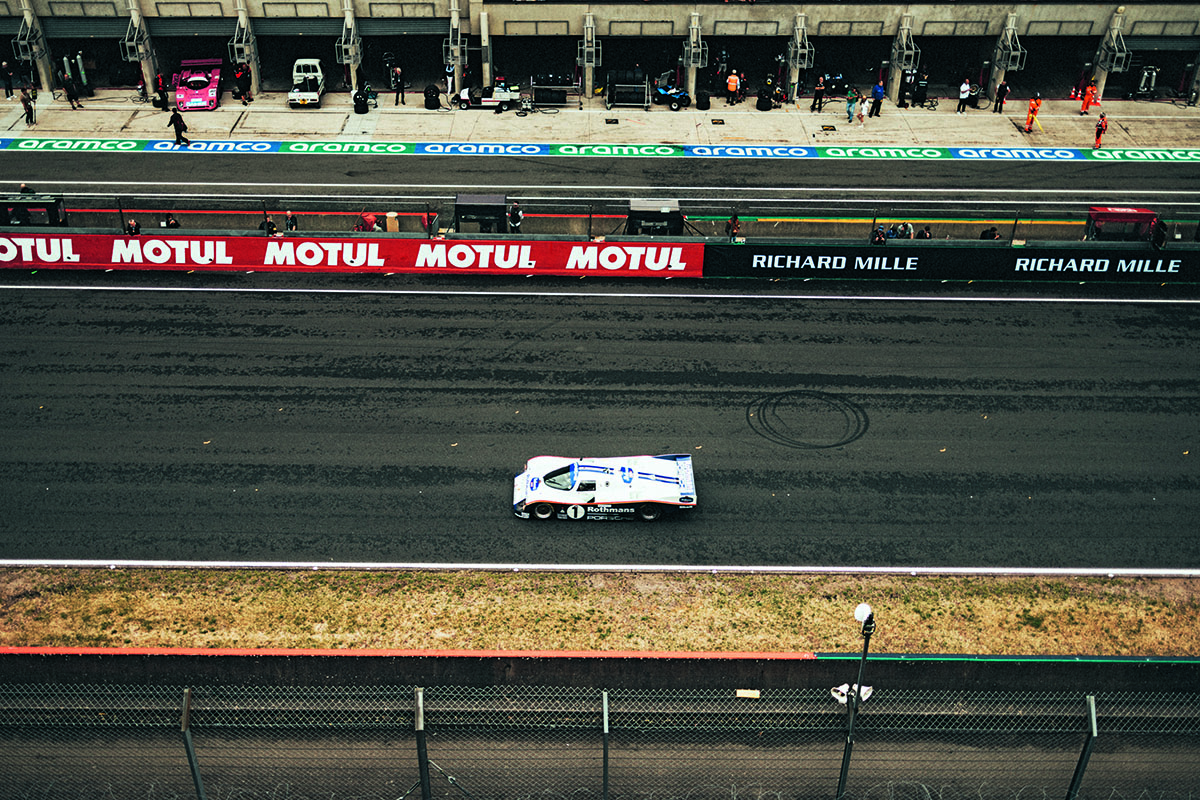

The Le Mans Classic is one of the most prestigious vintage motor racing events in the world. Saudi photographer, and life-long motorsports fan, Talal Afandi went along to experience it first-hand.
I know Le Mans, although I had never been there. Hundreds of hours of my childhood had been spent sat in front of a television, virtually racing around the legendary Circuit de la Sarthe racetrack, my thumbs jamming so hard on the accelerator and brakes that I would have to stop to rest them.
Full throttle down the Mulsanne Straight, weaving through the La Florandiere chicane, hard braking into Indianapolis, before choosing the correct racing line through the Porsche curves and Maison Blanche. I’d done it a thousand times, but arriving at the circuit in person as a spectator was different, and yet strangely familiar.
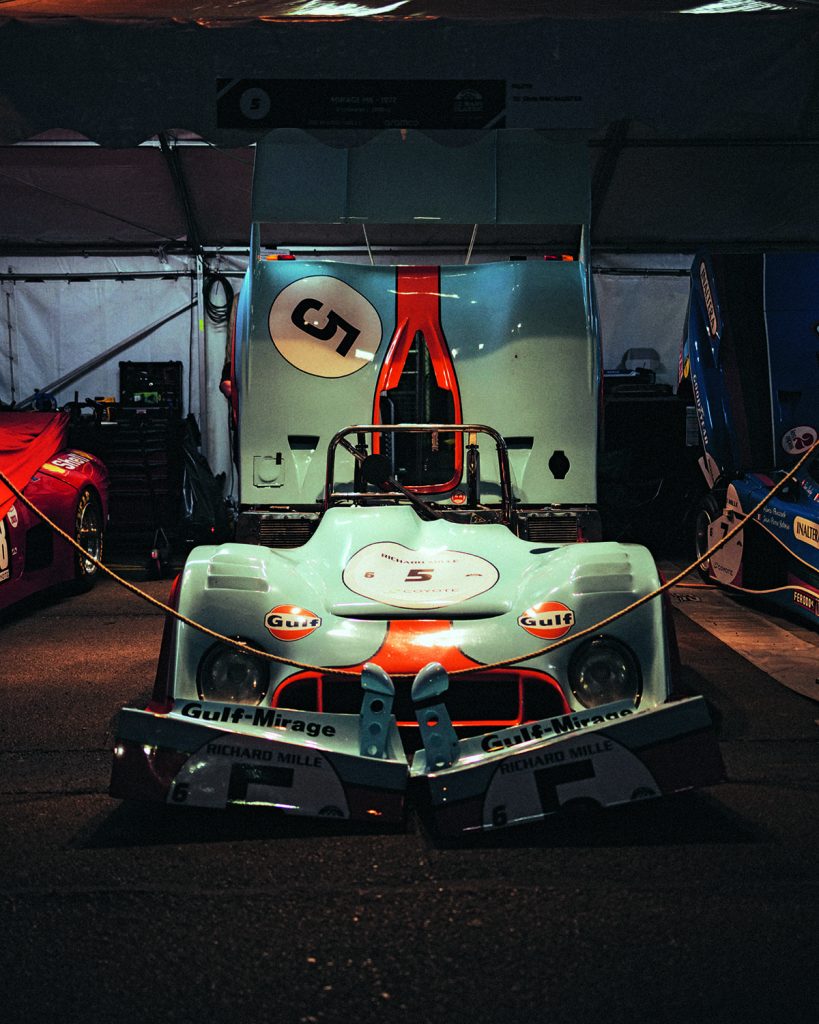
Le Mans is a small town in northwest France. For exactly 100 years, the nearby racetrack has been staging a 24-hour long car race known as the 24 Hours of Le Mans—alongside Formula One’s Monaco Grand Prix and NASCAR’s Indianapolis 500, it makes up the ‘Triple Crown’ of motorsport. Due to this summer’s centenary celebrations, motorsports in Le Mans went into overdrive.

As a long-time car enthusiast, I was invited to experience the Le Mans Classic—an affiliated three-day event devised to celebrate vintage cars—by the headline sponsor (and timekeeper) Richard Mille. Well, me, and a record-setting other 235,000 motorsport fans. Held three weeks after the 24hr race, this 11th edition of the Le Mans Classic was the largest historic race meeting ever held. Anywhere. Ever.
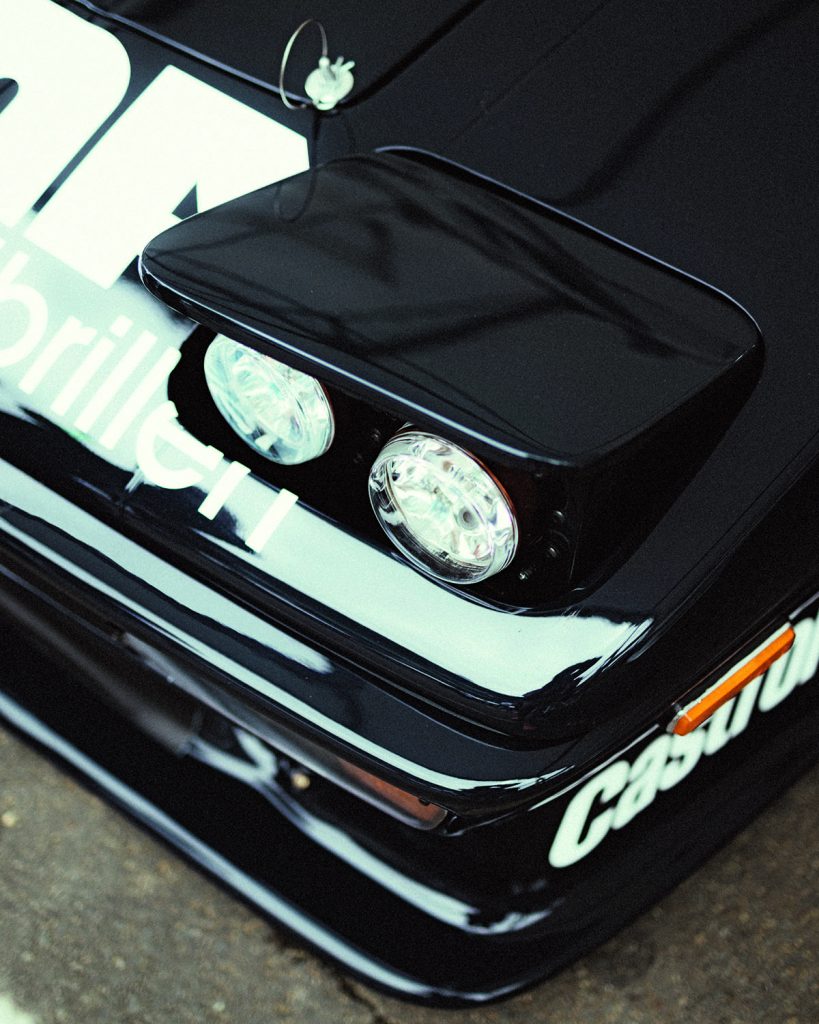
The numbers said it all: 24 races with an average grid size of 70 entries and a total of more than 800 racing cars in action. More cars, more people, more action.
While the series of races feature cars that have previously competed at the 24 Hours of Le Mans (or for similar cars of the same model) divided into six different eras dating back to 1923, the centre of the track was converted into an open-air museum. More than 200 car clubs from around the world packed 8500 vehicles into the centre of the track—everything from a Citroen DS19 stretched to bus length to form a racing car transporter to eclectic British and French marques such as Bond and DB Panhard.
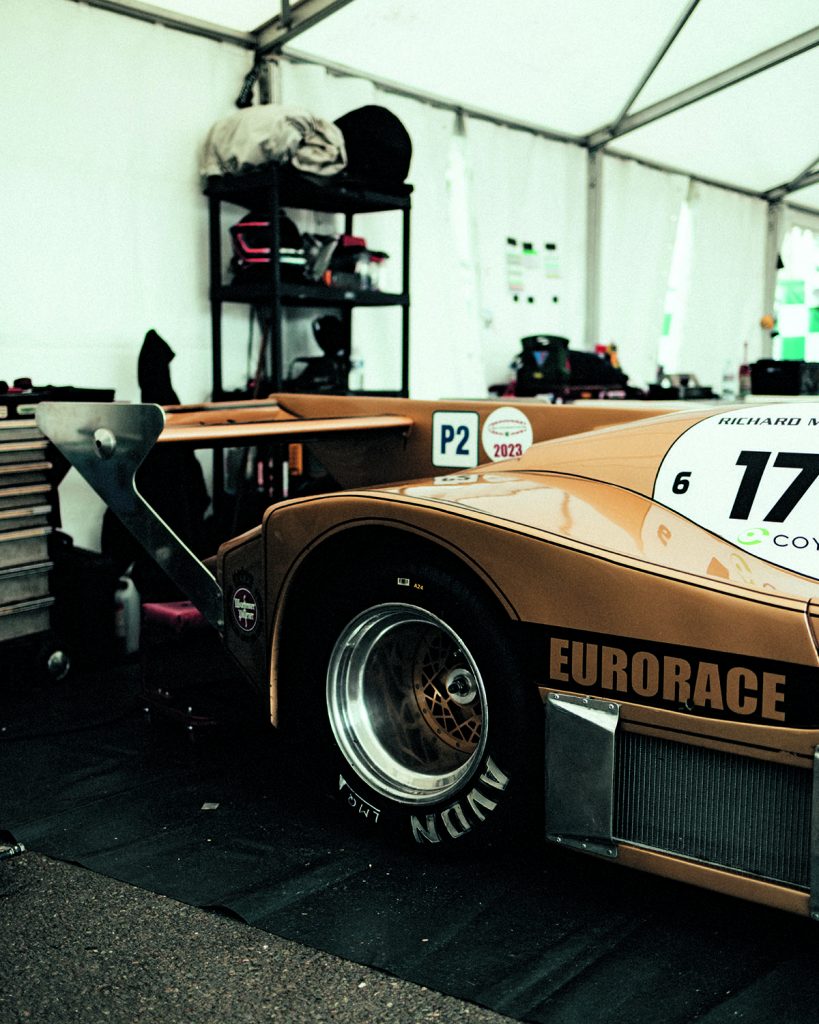
Hundreds of Porsches, all neatly grouped by model, year and even colour filled the circuit infield. With my camera in hand, I was like a kid in a candy shop snapping pictures of cars that I both recognized, and had never even seen before, with manufacturers such as Alfa Romeo, BMW, Bentley and McLaren having huge showcase areas. Everywhere I looked there was a car, a driver, a vintage bus, or a historic tableau to help supercharge the memories.
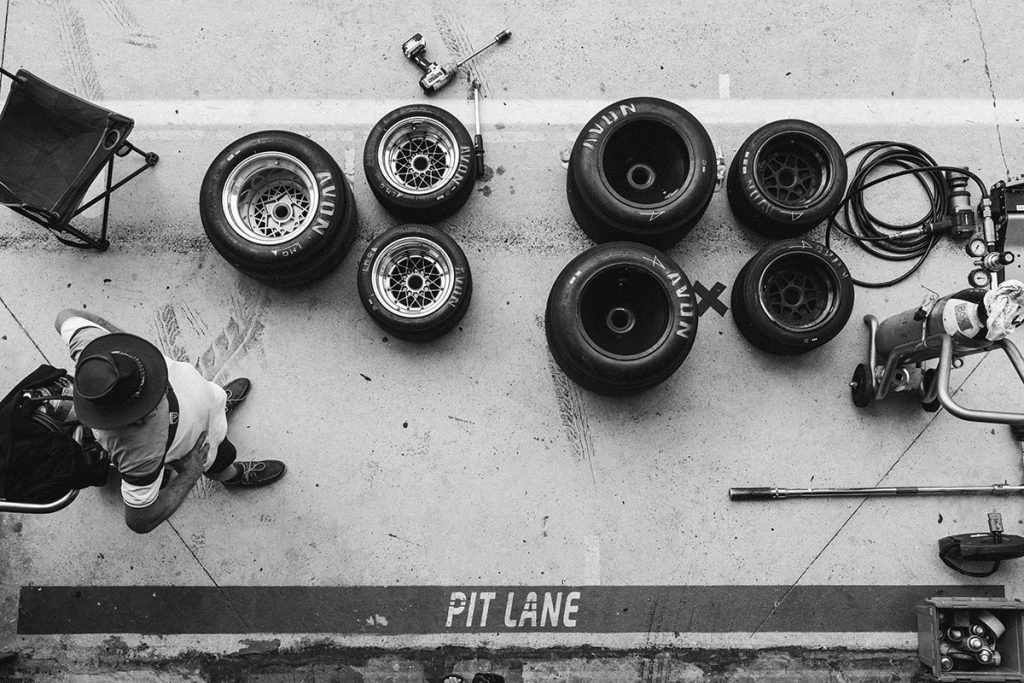
A long-time partner of Le Mans Classic—and its founder Patrick Peter—luxury watchmaker Richard Mille has been the main sponsor of the bi-annual event ever since its debut in 2002, and has produced a special timepiece to accompany every edition since 2008.
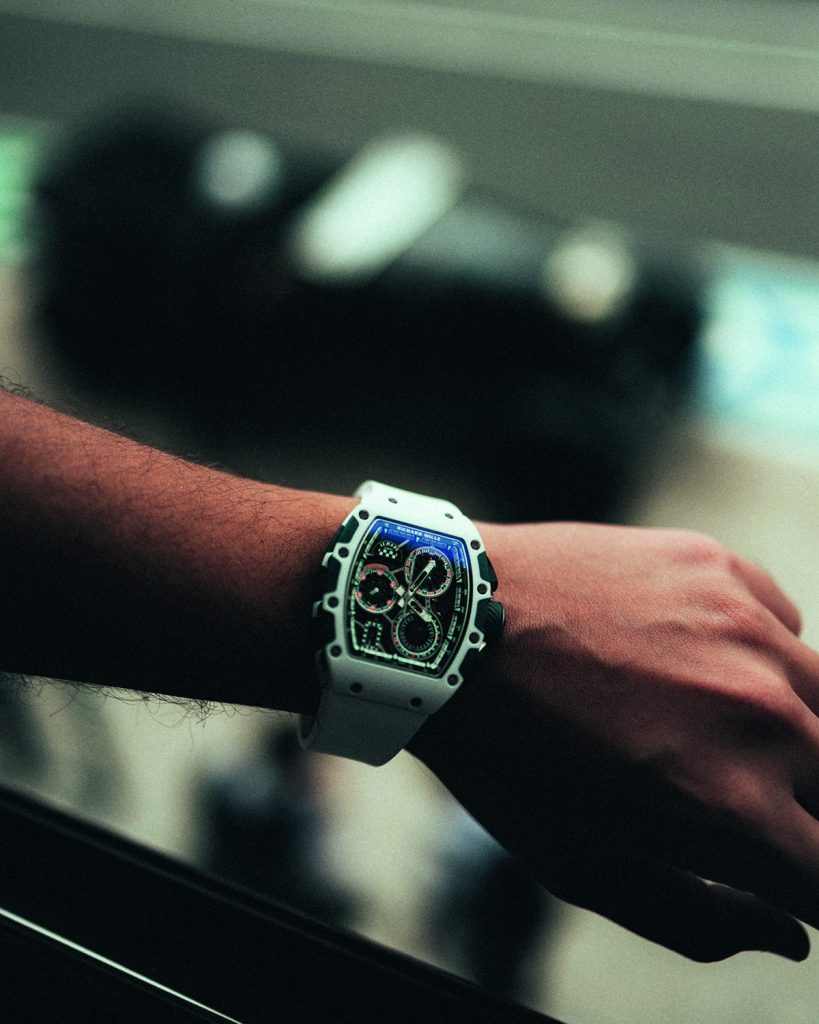
For this year’s event, Richard Mille unveiled its new RM 72-01 Le Mans Classic in green and white Quartz TP. The timepiece is limited to only 150 pieces, one of which was worn by none other than 22-time tennis Grand Slam winner, Rafael Nadal—long-time friend of the watchmaker, and waver of the official starting flag to kick-off the weekend’s proceedings. Unfortunately, I didn’t get to meet him, but I did get to wear a RM 72-01 Le Mans Classic for the weekend (see above), so, silver linings.
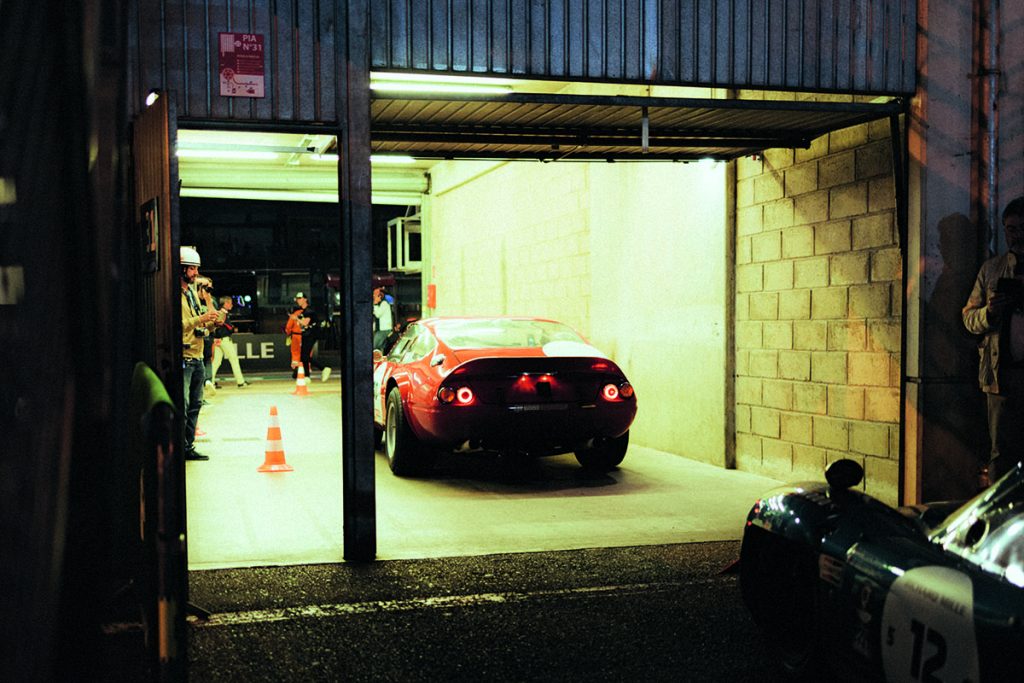
Amid the colours, sights, sounds and smells of everything, the entire weekend felt akin to a music festival—with fans both young and old, revelling in the history of motoring in this, one of the most historic of settings. The founder of the Le Mans Classic, Patrick Peter, once said: “in motor racing, passion very often wins over reason.” As someone who shares that passion, perhaps that’s why it all felt so familiar.