
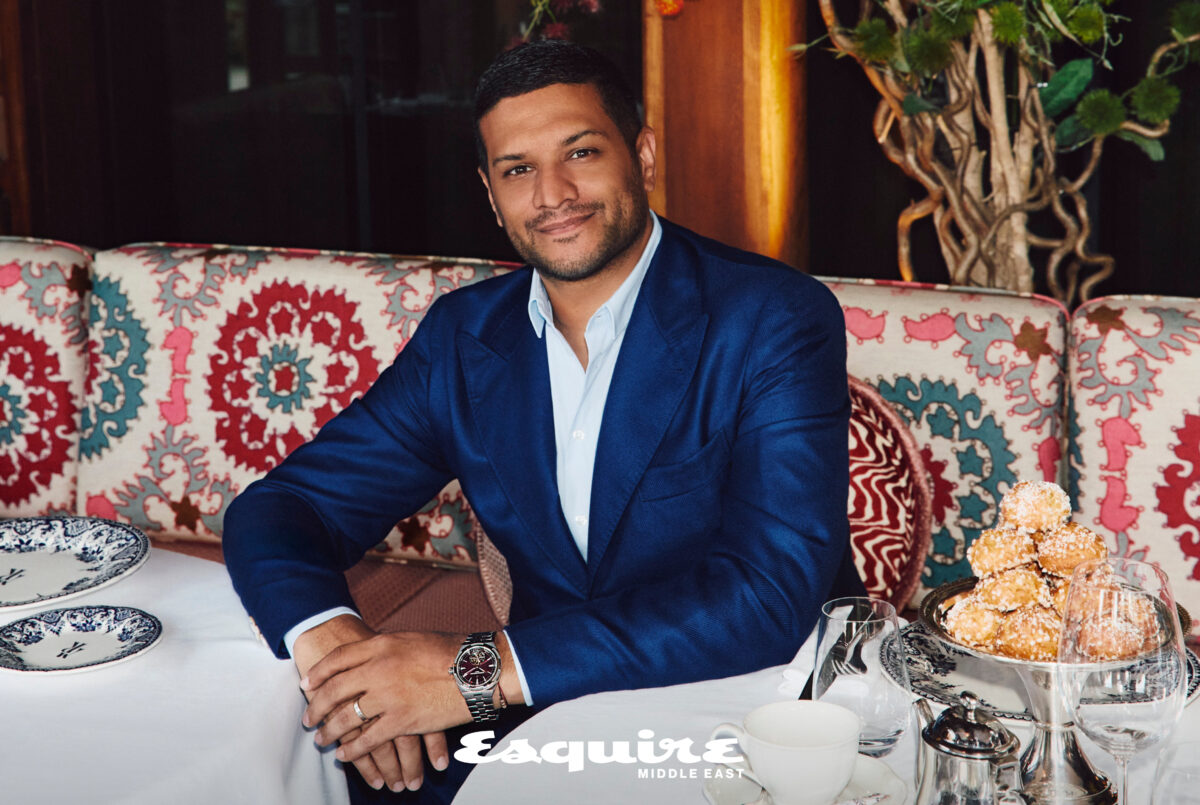

By all conventional laws of the restaurants business, 11.30pm is the hour of the exhale. The prix fixe finishes to the sound of espresso machine hissing; the valet lines swell; and the polite conversation that accompanied the dinner service is swapped for profanities aimed at rideshare app price surges. But inside venues like La Cantine du Faubourg, Mimi Kakushi, or Gigi Rigolatto the room doesn’t play to type. No one is leaving. Instead, the atmosphere has thickened.
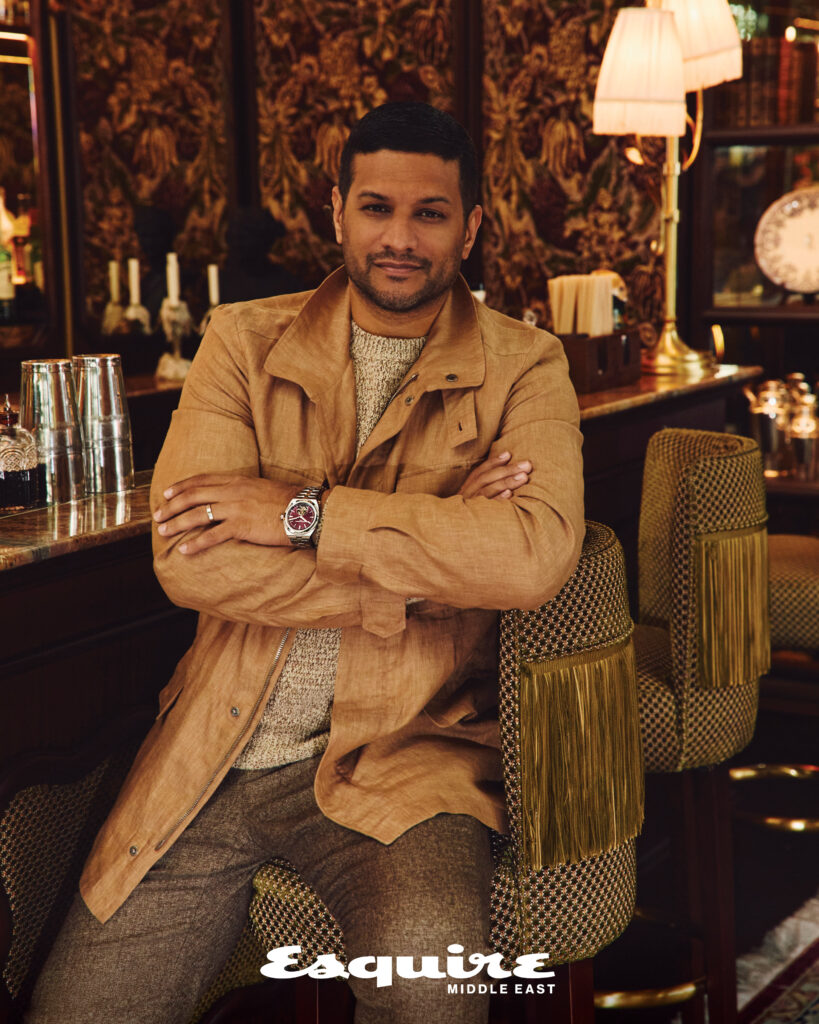
The lighting—previously set to a flattering dinner-party glow—has dimmed by a calculated fraction, just enough to lower the collective inhibition but not enough to require a flashlight for the menu. At La Cantine the abstract video art projected on the wall is hijacked by vintage footage of Soul Train dancers. The music has pivoted from background ambience to a rhythmic, driving pulse that suggests the night isn’t winding
down; it’s taking off its jacket.
You check your watch. You were supposed to go home, instead, you order another bottle. “Sometimes you need to encourage people to make the decision that they want to make,” Rizwan Kassim says with a knowing smile. It took him nearly 15 years to perfect this invisible architecture—to understand that a restaurant is not a static room where people eat, but a living organism that evolves by the hour.
For the past decade, Rizwan Kassim—the founder of Rikas Hospitality Group and the newly appointed CEO of Paris Society’s international arm—has operated less like a restaurateur and more like a social engineer. He understood early on that in a city like Dubai, the currency of hospitality isn’t food. It’s psychology.
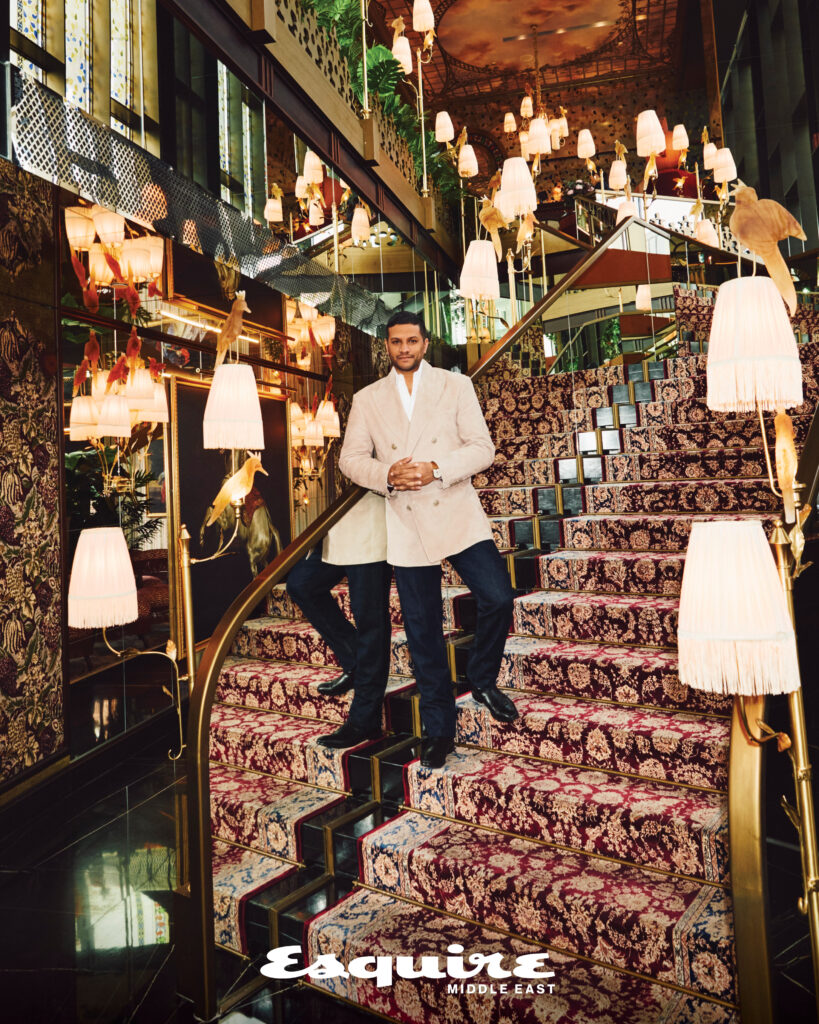
“We are talking to a target clientele that has everything,” Kassim explains, breaking down the psychology of the ultra-high-net-worth individual with the detachment of a surgeon. “They have the watches, the beautiful houses, the cars”. You cannot impress a man who owns a Vacheron Constantin with a Wagyu steak; his chef can make that on a Tuesday.
“To gain loyalty from a man who has it all, you have to sell him the only thing he cannot buy, that is emotion,” Kassim says. It is the inaccessible art on the wall, the specific frequency of the bass, the feeling that you are inside the velvet rope where the exit sign feels like a suggestion rather than a command. While his competitors spent the last decade importing famous franchises and wooing celebrity chefs, Kassim was obsessing over the height of the chairs and the intensity of the light bulbs.
He was building a machine to keep you in your seat. And now, having conquered Dubai, he has been handed the keys to the big wide world.
A view from the outside
To understand where Dubai’s hospitality scene is today, you have to look back at Paris in the early 2000s. Specifically, to 105 Rue du Faubourg Saint- Honoré, a place called La Cantine du Faubourg.
At the time, the Parisian dining landscape was rigid. You ate, you finished, and you left. But La Cantine was different. It was one of the first restaurants in the city where the owners actively encouraged the diners to stay after the final course, replacing the urgency of a table turnover with the allure of another bottle of wine or champagne. As a regular, Rizwan Kassim was captivated.
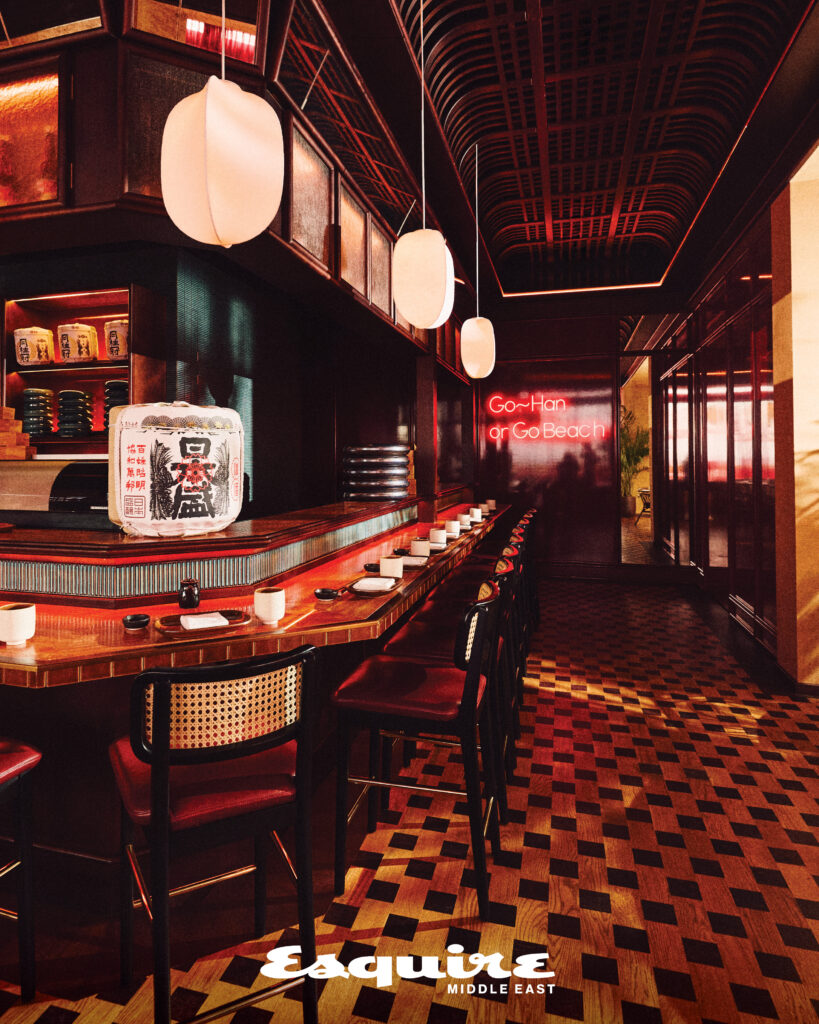
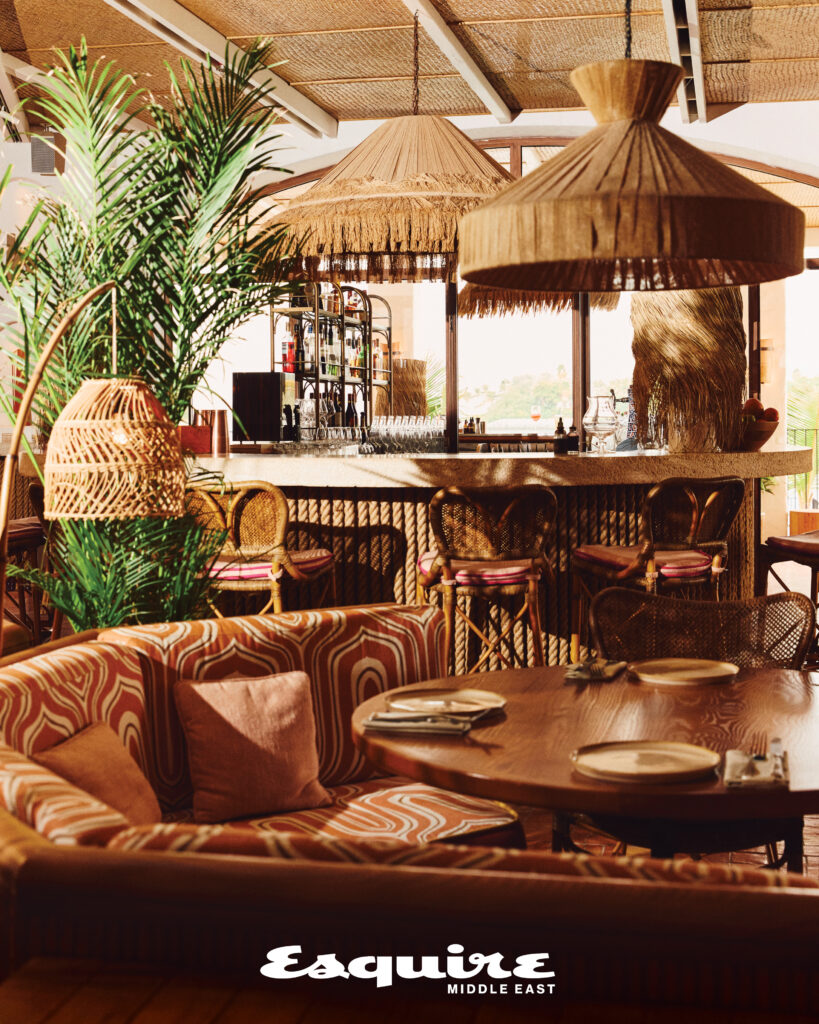
“I loved how it mixed the idea of food and lifestyle, and art and ambience,” he says. “It was the kind of place where you didn’t need to go somewhere after, because you were already at the most happening place.” At the time Kassim wasn’t a restaurateur; he was just an observer with a “crazy idea”. Despite having zero experience in the industry, he approached the owners, Pierre Pirajean and Helena Paraboschi, and offered to buy the restaurant.
“I didn’t have any experience or anything, but I was super interested in the business model in general,” Kassim recalls. “The vibe in the place evolved throughout the evening. There was a mix of people who were staying from the first seating, people arriving for the second seating, and then people just there for the bar. People were staying longer, but the average spend was getting higher.”
Ultimately, the sale didn’t happen. But something more important did: a few months later, as the founders looked to expand, they invited the enthusiastic young regular to become a partner.
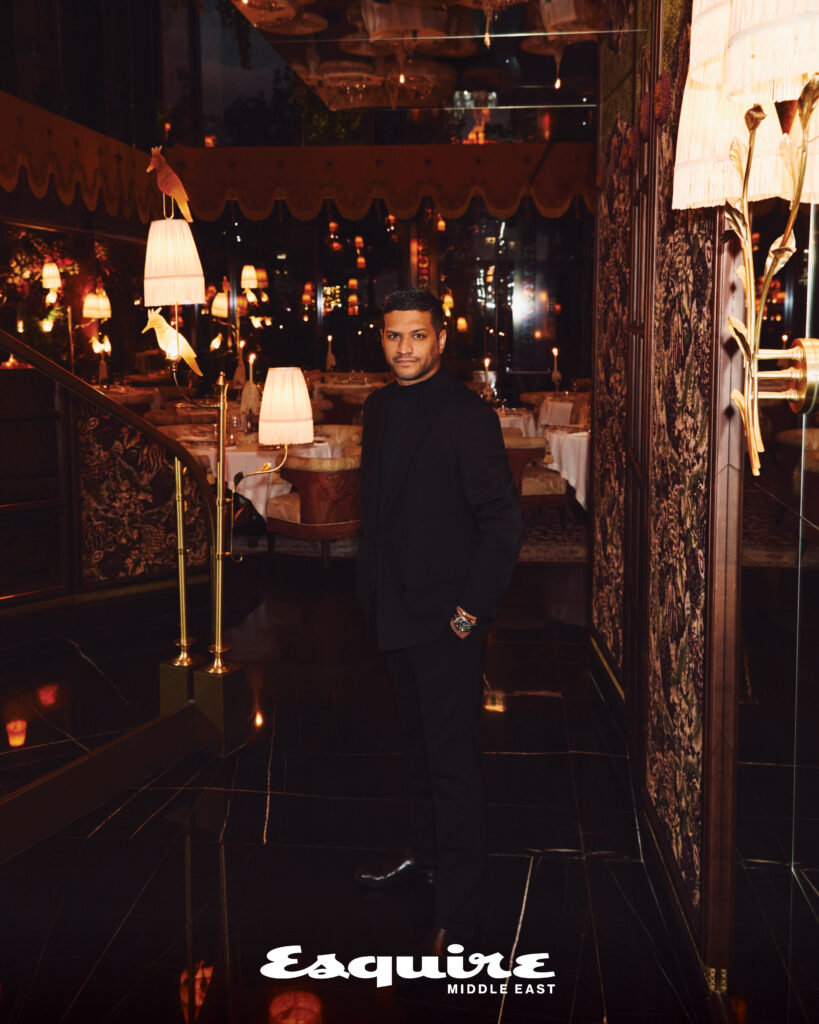
It was a crash course in social engineering. From the sidelines, Kassim watched how a room, if tuned correctly, could flatten social hierarchy. He saw professional footballers dining next to fashion models, CEOs sitting beside politicians—“It was a real mix and match of power and beauty that seemed to created its own gravity.” He learned that the vibe wasn’t accidental; it was operational. It was a series of levers. “Delivering good food consistently should be a given, but it is everything else that you can do to affect how someone chooses to spend their time with you. It took me 10 to 15 years to fully understand that,” he says. He realized that while the client sees a party, the operator sees parameters. Every seat needs a view; no guest should feel “punished” by their table location. He spent a decade decoding the invisible matrix of a successful night out, analysing why certain menus worked, why chair heights mattered, and how to make a guest feel so comfortable that spending money became a subconscious act of joy rather than a transaction.
He didn’t know it yet, but he was drafting the blueprint for a city that was about to undergo its own radical transformation.
Slow Burn in a Fast City
When Kassim arrived in Dubai just over a decade ago, the culinary map was small, expensive, and largely unoriginal. “You just had four or five, what we call fine dining, luxury experiences,” he recalls. The city’s strategy was simple: Import success.
If a brand worked in London, New York, or Monte Carlo, it was franchised, vacuum-packed, and air-lifted into a desert outpost.
Kassim, however, wasn’t interested in cutting and pasting. He wanted to build. Contrary to the glossy myth of instant Dubai success, his company Rikas (a portmanteau of his first and last name) did not explode overnight. By Dubai’s standard’s it was a slow burn. After opening La Cantine in Emirates Towers in 2015, it took nearly two and a half years to open a second venue. By March 2021—five years into the journey—the group still only had five restaurants. “It was quite a slow process,” Kassim admits.
But while the growth was measured, the ambition was structural. Back then, the company lacked the financial capability to lease out a space in DIFC—the only “sure thing” area in Dubai for fine dining—so it began to look into spaces that no one else saw potential in. “We are not a company that can spend without limit,” he says, “so we had to be smart and learn the city’s behaviours,”—turning its gaze to “dead zones” that developers ignored, it set out to transform them on the strength of its creativity.
Take Eugène Eugène for example, where Rikas took an unloved rooftop tennis court attached to the a Mall of the Emirates hotel and reimagined it as a modern brasserie inside a lush, glass-roofed, greenhouse. Or, rather than creating a generic beach club on the trunk of The Palm Jumeira, it opted to redevelop a lighthouse and change the geography of The Palm, in order to build a restaurant and a pool that would become the Balearic-inspired Tagomago.
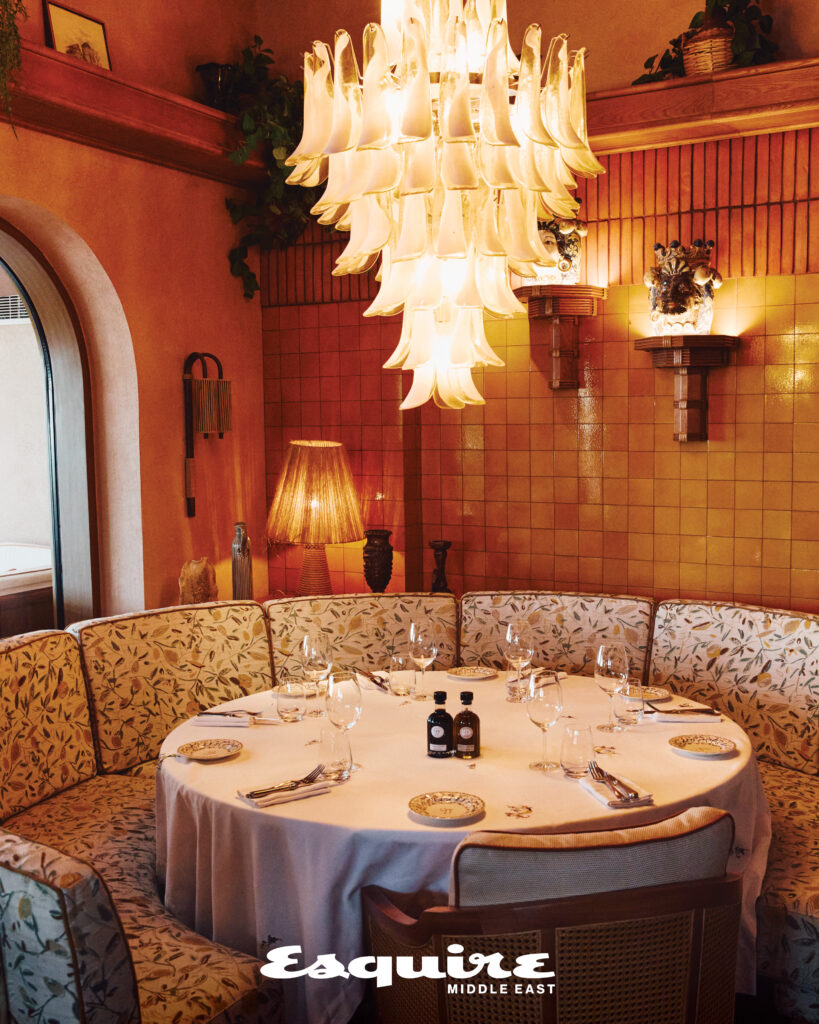
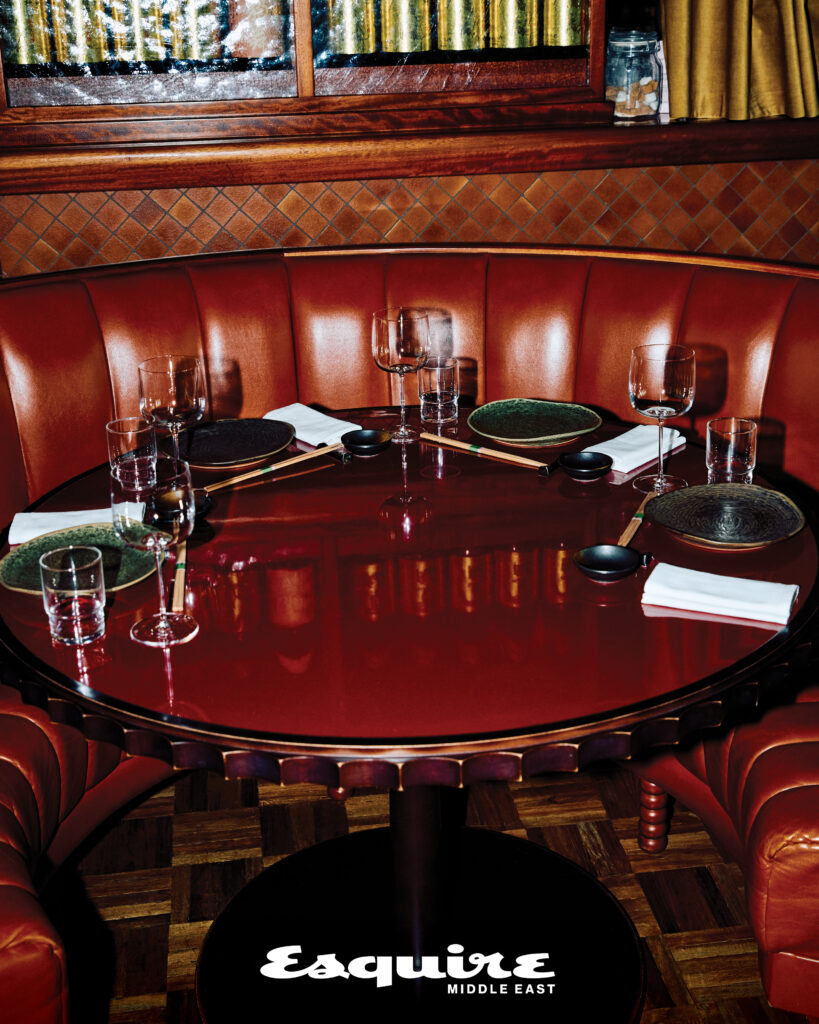
Perhaps the biggest exhibit of this strategy’s success is Twiggy by La Cantine. At the time, the city’s social gravity was pulling everyone toward the gleaming developments of Dubai Marina and along the beaches of Jumeira. Kassim looked the other way, betting that he could lure the city’s elite back to ‘old Dubai’ by opening a trendy French Riviera style beach club on the Dubai Creek. “It was a place better considered for heritage tours, rather than high-fashion dining, but we were successful because we started to predict what our target audience are looking for—exclusivity.”
The bet paid off. Post-COVID, as Dubai transformed into a global sanctuary for the wealthy and the restless, developers stopped looking for franchises and started looking for people who had a read on the situation, and knew how to create value—they started seeking out Rikas. “We had shown that we knew how to invent, execute and deliver a product that people wanted,” Rizwan Kassim says. The slow burn ignited into an inferno: in just two and a half years following the pandemic, the group opened ten new restaurants.
The Merger of Giants
If the first act of Kassim’s career was about proving he could build a world, the second act is about proving he can manage a galaxy.
In mid-2023, Kassim was approached by Ennismore, the lifestyle arm of the hospitality goliath Accor. The initial pitch was a straightforward one: it was looking for a local partner to develop its F&B presence in the region. A standard corporate overture—but, as Kassim reveals officially to Esquire, what started as a strategic partnership quickly evolved into something far more significant.
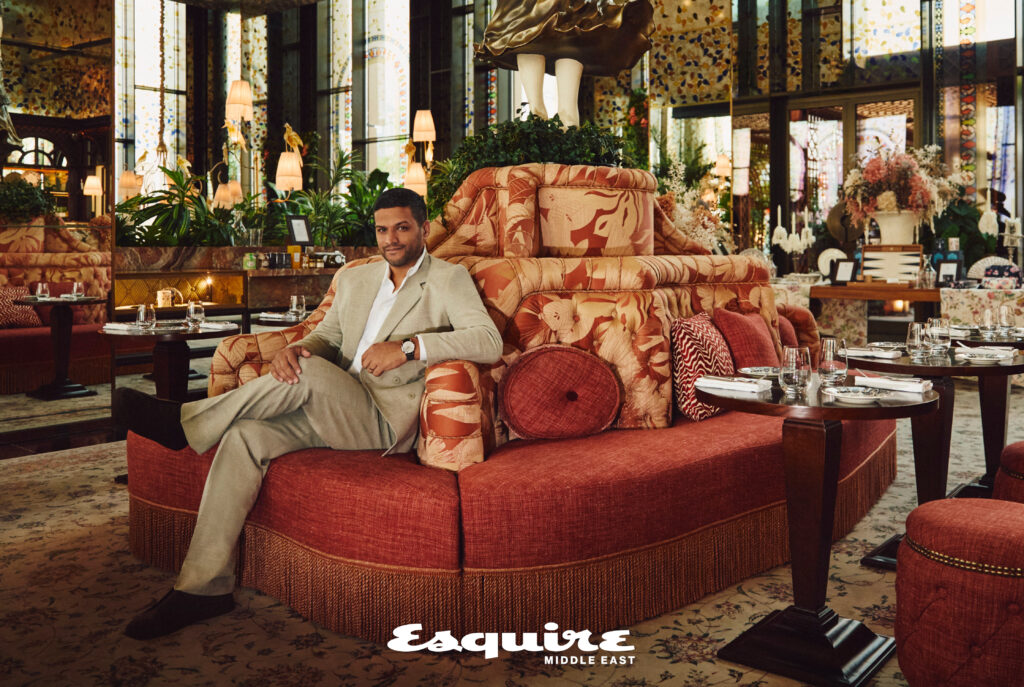
The deal is momentous one. Not only did Ennismore want to merge Rikas Group into its global F&B platform, but it invited Kassim to be CEO of the newly expanded Paris Society platform. An offer that he simply couldn’t refuse.
The scope of his new reality is staggering. Kassim is no longer watching over the mood lighting at Mimi Kakushi; he is now overseeing a portfolio of nearly 100 independent restaurants and supporting the F&B strategy for 400 hotels worldwide—a vertical generating more than $1.5 billion in revenue.
For Kassim, the move wasn’t the financial off-ramp that most entrepreneurs dream of, it was a philosophical supercharge. He notes that what most appealed to him was the structure of Ennismore’s ecosystem, as it is built by other likeminded founders, not just private equity managers. It’s a place where the entrepreneurial mindset is protected, even at a corporate scale.
“The dream of most restauranteurs is to have a successful restaurant that will lead to an opportunity to ‘cash out’,” Kassim admits candidly. But this deal offered him a rare hybrid: the financial security of an exit combined with the adrenaline of a new, boundless challenge. “Overnight I went from a Founder, managing my own business, to someone who now manages Ennismore’s entire global F&B portfolio,” he says, allowing for a rare smile to escape his normally guarded persona.
“I never expected that.”
This transition requires a new version of Rizwan Kassim. “You can’t manage an international business the same way you do a local business in Dubai,” he says, “I have to improve myself. I have to improve the leadership”. He is now a captain of industry, navigating a ship that spans the Americas, Europe, and Asia, but he insists he isn’t intimidated by the scale. “The thing is, I know my job,” he says simply. “And I know what I want to achieve.”
The Dubai Standard
For years, the flow of influence in the hospitality world was one-way: from the West to the Middle East. Dubai was the consumer, not the creator. But Kassim argues that the dynamic has flipped. Today, Dubai is no longer just importing cool; it is exporting excellence.
“The arrogance of outside brands is super interesting,” Kassim observes. He has watched countless celebrated concepts arrive from London, New York, or Paris with a sense of inevitability, only to stumble. “It is super difficult for a successful concept coming from abroad to challenge themselves and try to be a little more… humble,” he says searching for the word. “They underestimate the market. They assume a satellite operation will suffice. They are wrong.”
Dubai is one of the most competitive markets in the world. It is a relentless pressure cooker where 10 to 15 high-end concepts open every single year, fighting for the same demographic. And that demographic is unforgiving. Kassim points out that while 90 percent of his restaurants’ clientele are expats, the 10 percent who are Emirati are arguably the most well-travelled diners on earth. “They are comparing your restaurant to the best experience they had in the world,” he says. “When they compare my nigiri in Mimi Kakushi, they are comparing it to their experience in Tokyo.”
This crucible has created a distinct “Dubai standard”—a level of hyper-consistency and service intensity that often exceeds the cities these cuisines originated in. Survival in Dubai requires a manic attention to detail.
Now, Kassim is taking that battle-hardened methodology global. As he looks to expand into the Americas—with the upcoming opening of Gigi at the Delano in Miami—and deeper into Asia with projects in Bangkok and Hong Kong, he is travelling with a suitcase full of lessons learned in the desert.
“We are trying to discover cities with a lot more humility,” he says, contrasting his approach with the brands that once looked down on Dubai. He is not exporting a menu; he is exporting the “institutional” consistency required to survive in the UAE. The theory is simple: if you can keep an Emirati regular happy in a rooftop restaurant on The Palm on a Tuesday night, you can impress anyone, anywhere.
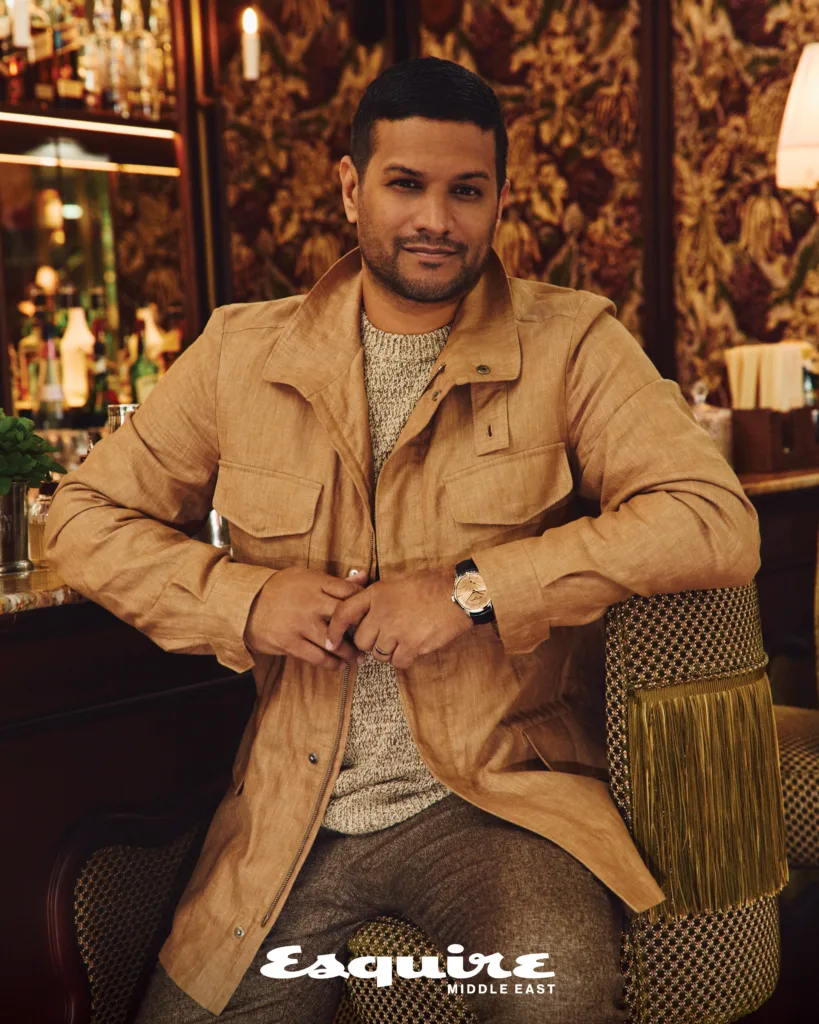
The bigger boat
There is a standard trajectory for the successful restaurateur: struggle, succeed, sell, and sail away. Kassim has achieved the “financial point” that most in his industry only dream of. But he hasn’t sailed off into the sunset. Instead, he has tied himself to a bigger yacht.
When asked if he is intimidated of the sheer magnitude of his new role—jumping to manage hundreds of venues and billions in revenue—his answer is immediate. “No, I’m not,” he says, before repeating his new mantra. “I know my job”.
The horizon has expanded. He has traded the agility of a speedboat for the massive momentum of an ocean liner, yet the instinct of the man at the helm remains unchanged. He is still navigating the same way he did when he had just one restaurant in Dubai: with a relentless focus on the details that matter.
Ten years ago, Rizwan Kassim was an outsider with a rejected offer and a belief that a restaurant should be an emotion. Today, his is helping shape the future of dining around the world. But you still suspect that if you walk into one of his venues tonight, he won’t be looking at the balance sheet. He’ll be the adjusting the dimmer switch.
Photography: Vladimir Marti @vladimirmarti
Styling: Kim Payne @kim.j.payne
Executive Producer: Steff Hawker @steff.producer
Photographer’s Assistant: Scar Salario
Special thanks to @maisonrevka_dubai @delanodubai