
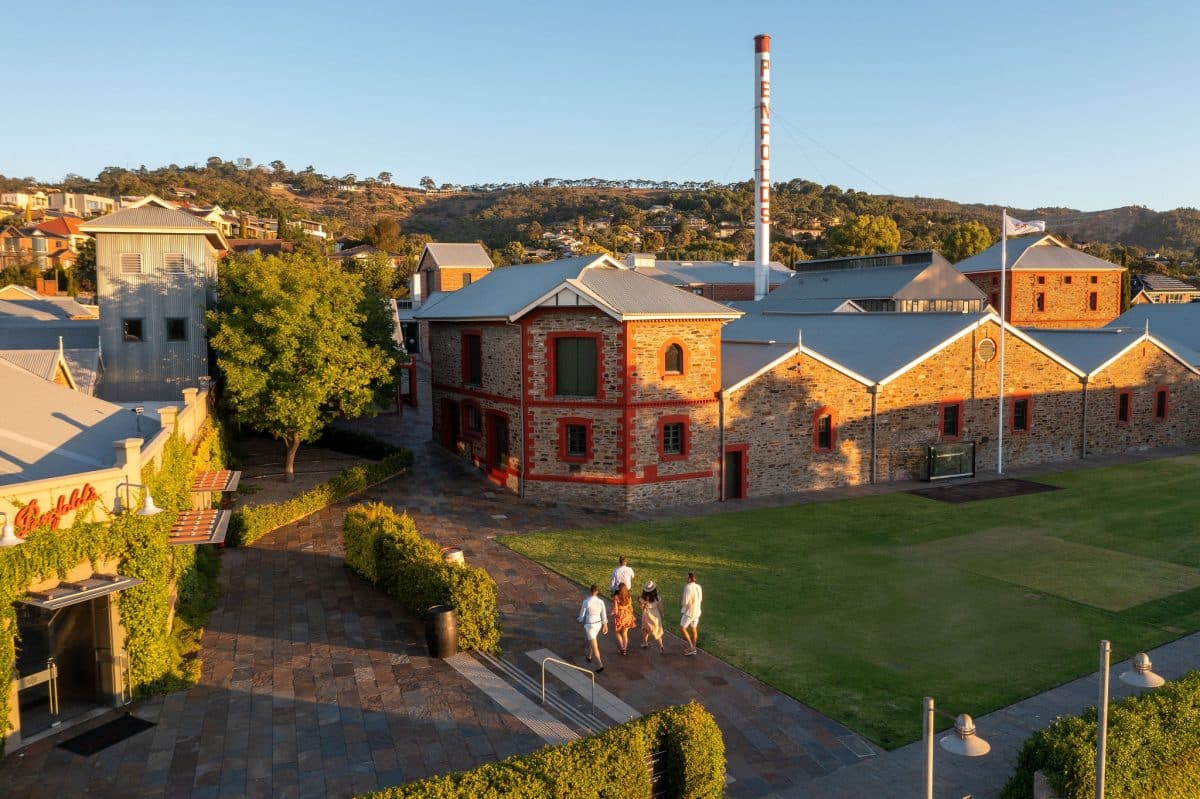

It should stand to reason that when a brand has enjoyed 180 years of success, a large part of that triumph comes down to keeping one eye fixed firmly on the future. Founded in Australia in 1844, iconic wine producer, Penfolds, it’s fair to say, has forward thinking fermented into its DNA. As the brand founded by Dr Christopher and Mary Penfold looks to its 180th anniversary in 2024, it’s easy to see why it has resonated— both in Australia and around the globe.
From award-winning wine to cultural regeneration, NFTs to Saint-Louis crystal decanters, Penfolds has even embraced the world of collabs that currently grips global fashion—most recently working on a curated collection of bottles with Human Made founder, NIGO. Your average bottle of wine this ain’t.

However, every great story begins with a journey, and Dr Christopher and Mary Penfolds’ journey began with their arrival in Australia from England in 1844. They cultivated land at the foot of Mount Lofty Ranges near Adelaide and built a cottage called The Grange (a name which would play a major role in Penfolds’ future). Finally, French grape vine cuttings brought from England were planted. While medical practitioner Christopher believed in the health benefits of fortified wines—which would be a large part of their early production—as his career grew Mary took greater control of the winery. Something of a powerhouse, she oversaw a period of huge growth, and by the time she retired in 1884, Penfolds was making more than one third of all South Australia’s output. By 1907, Penfolds was its largest producer.
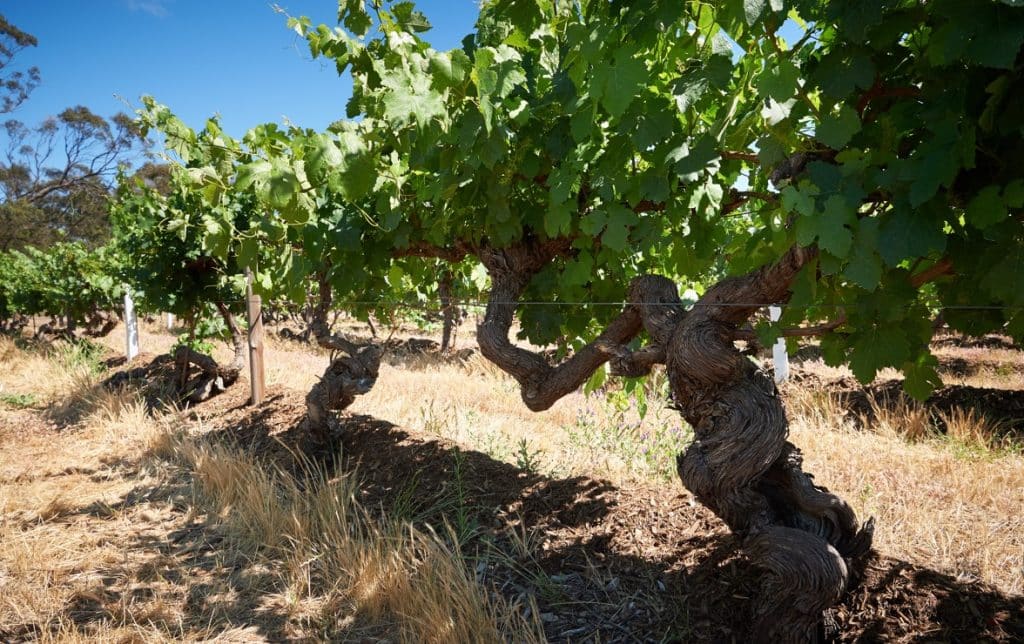
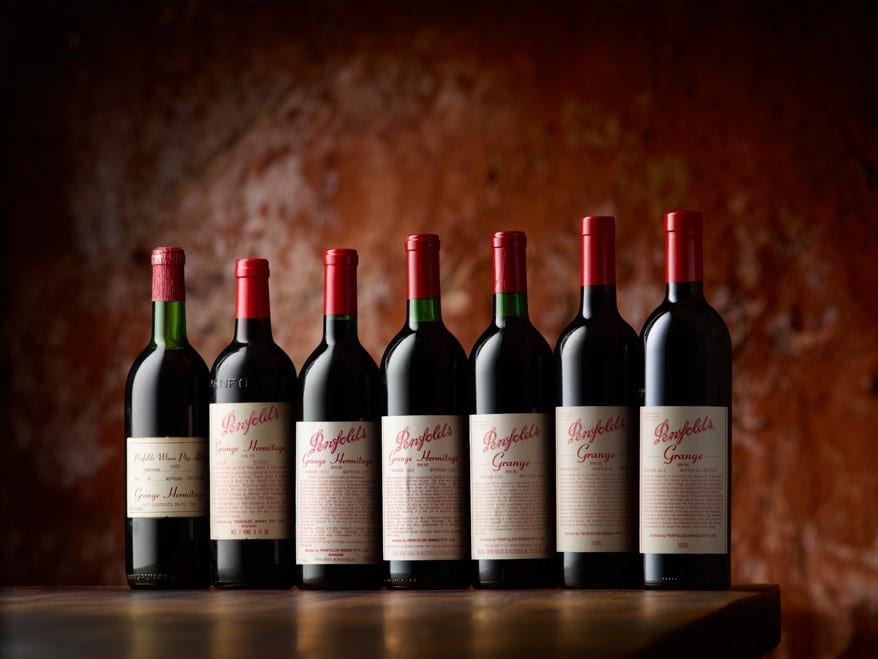
Triumph against the odds is also a tenet of any good origin story, and Penfolds has this, too. Following a trip to Bordeaux, Penfolds’ first chief winemaker, Max Schubert, developed an experimental wine in 1951 which he called ‘Grange’ —a shiraz blend capable of ageing for decades to come, inspired by ideas and techniques he learnt in Bordeaux, combining ground-breaking science with tradition. All didn’t go quite to plan though as sadly, the wine failed to impress the board, resulting in orders for production to stop immediately. Undeterred, Schubert continued to work on the project in secret, producing three hidden Grange vintages (1957, 1958 and 1959). By 1960 Grange had been triumphantly reinstated. It is now a bonafide Australian icon (much like Schubert himself, actually), with each vintage regarded as a collectors’ item with some historic vintages fetching thousands at auction globally.
Finally, every grand piece of storytelling should include a positive look to the future—at least if you’re into feel-good stories (which for the purposes of this article we are)—which brings us to Penfolds’ Evermore initiative. A legacy plan, Evermore aims to collaborate, protect, and help shape a better world for future generations. With the idea to do this through supporting local communities, advances in winemaking and sustainable production practices being a resoundingly positive step, the AUD$1m Evermore Global Grant programme that’s set to support local communities over the next five years backs that positivity with rather impactful action.
It’s amazing what you can pack into 180 years of action. But despite award-winning wines, cultural and community regeneration, and even some rather hype collabs, you get the feeling that Penfolds is only just getting started.
Penfolds is available to purchase at African + Eastern stores and online.