
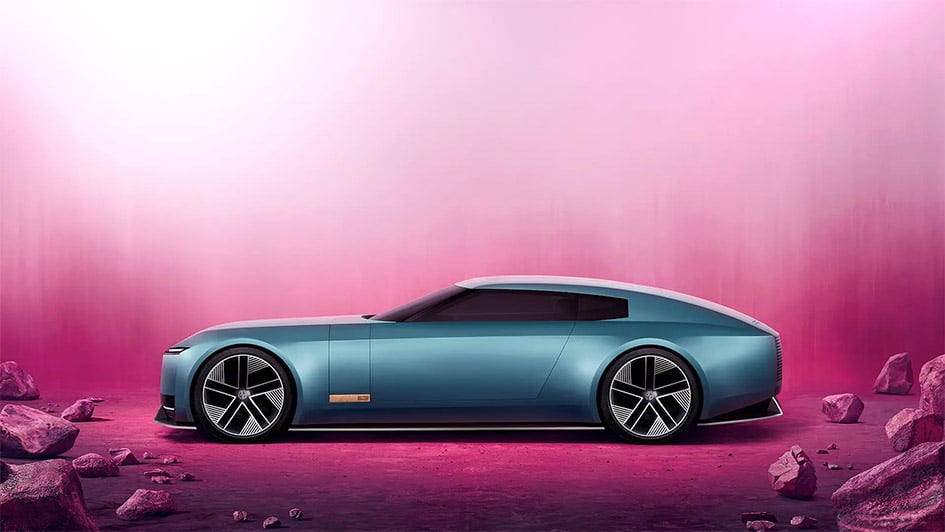
At the end of last year Jaguar shocked the automotive world with a sweeping brand transformation that lit a wild fire in comments boxes across social media.
The British car brand, once known for its tagline “Some Things Are Better Left Unchanged” during the heyday of its popular ‘E-Type’ model, has upended expectations—not only among its loyal enthusiasts but also within the marketing community. But this change goes far deeper than a sleek new logo or visual identity.
Jaguar Land Rover (JLR) is framing this rebrand as an homage to its tradition of boldness and originality, values instilled by its founder, Sir William Lyons. While the changes are rooted in this ethos, the scale of the transformation suggests a departure from gradual evolution to outright revolution. The goal? To position Jaguar as a daring, avant-garde brand with a modern artistic edge that resonates with a younger, more affluent and urban audience.
This shift isn’t just a refresh—it’s a full ‘reset’. The brand’s new visual identity, including a striking logo, reflects an exuberant, inclusive design language tailored for the digital age. Jaguar is determined to wake up a customer base that was growing complacent, reinvigorating its image to compete in the ultra-luxury electric vehicle (EV) space.

While the new logo may align with today’s social media-centric branding trends, its impact is polarising. Critics have pointed to the minimalist emblem as underwhelming compared to the bold marketing campaign it accompanies.
The official narrative—centred on blending uppercase and lowercase characters to “demonstrate the unexpected”—may not resonate with everyone. However, the move toward a simpler, more modern identity is a clear nod to the EV market’s tech-forward aesthetic.
“This shift isn’t just a refresh—it’s a full reset. The brand’s new visual identity, including a striking logo, reflects an exuberant, inclusive design language tailored for the digital age”
Cyril Zammit
Jaguar’s branding journey has been long and varied. The company’s origins in 1922 featured a logo with wings and the double “S” initials of its original name, Swallow Sidecar. The Jaguar name emerged in 1945, with the iconic pouncing cat logo debuting in 1957. Over the decades, the feline motif evolved until its most recent iteration in 1982. The new identity, however, dials back the imagery to focus on a typeface-based design, drawing on the minimalist 1954 logo.
This rebranding is only the opening salvo in Jaguar’s ambitious plan to pivot toward exclusivity and luxury. The company has set its sights on a select market segment: younger, affluent, urban professionals described as “cash-rich and time-poor.” This demographic shift is accompanied by a move away from mass-market production, a strategy that has often necessitated design compromises.
Jaguar’s vision extends beyond its cars to the retail experience. Traditional showrooms will be replaced by boutique-style spaces, with the first slated to open in Paris. These locations promise personalised, high-touch service, blending digital convenience with in-person purchases.
The full extent of this transformation remains to be seen. Production on Jaguar’s new EV lineup won’t begin until late 2026, suggesting the rebranding is as much a market test as it is a statement of intent. By creating buzz now, Jaguar is gauging reactions from long-time loyalists and potential new customers alike.
This strategy also reflects the realities of the luxury automotive market. Jaguar is keenly aware of the cultural and economic forces shaping consumer expectations, from inclusivity to sustainability. However, navigating these shifts while balancing nostalgia and innovation will require deft storytelling and strategic agility.
Gone are the days of Jaguar’s iconic 1951 slogan “Grace, Space, Pace”—retired to the archives along with the brand’s more roguish, masculine image. Yet, the reinvention is not without risks. As Jaguar courts a new generation, it must ensure that its boldness doesn’t alienate the core identity that made it legendary in the first place.
For now, the rebrand signals a company unafraid to take risks—a move that could redefine its legacy for decades to come. Whether this gamble pays off will depend on how well Jaguar balances its storied past with the promise of an electrified future.