
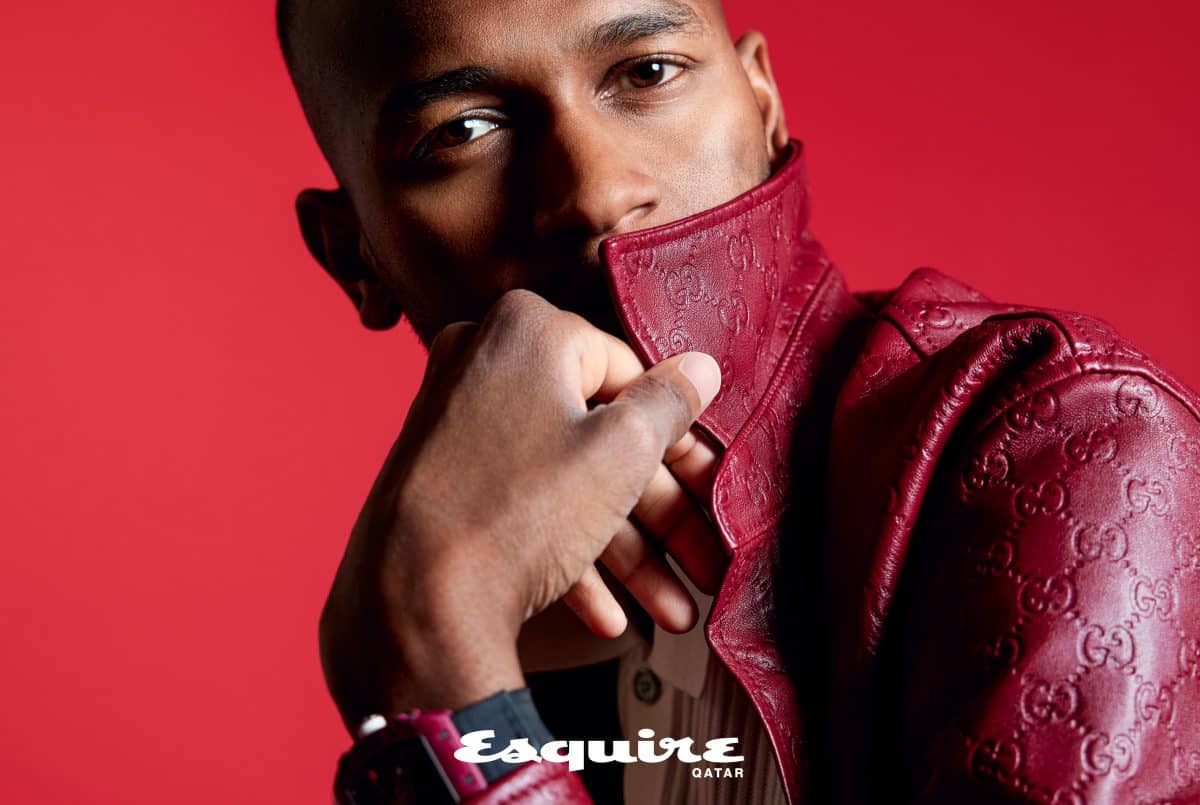

There are moments in Olympic history that stand the test of time. Usain Bolt starting his celebration mid-race in Beijing; gymnast Nadia Comaneci’s perfect ‘10’ score on the uneven bars in Montreal 1976; or Australia’s Grant Hackett who swam to two gold medals in Sydney despite competing with a partially collapsed lung—all are examples of peak human excellence and endeavour.
Yes, the purpose of the Olympics is to determine who is the fastest, strongest, most accurate, or highest, but the Olympic spirit is fuelled by something more than that. Equally on par with those aforementioned iconic moments is when British sprinter Derek Redmond who, in Barcelona 1992, famously hopped his way to the finish line after pulling his hamstring during the 400m; or last time out, in Tokyo, when Qatari high-jumper Mutaz Barshim opted against a winner-takes-all jump-off instead offering to share the gold medal with his Italian challenger, Gianmarco Tamberi. If they gave out gold medals for gestures of sportsmanship, well, that would be it.
“At the time of sharing the gold with Tamberi, I was focused on the competition and giving my best effort,” Barshim explains recalling the final three years ago. The Italian and him have been both rivals and close friends for many years, having climbed the ranks of global athletics competing with each other. “Over our careers, we have been through the same struggles, and so it was an opportunity for us both to achieve our dream, as both competitors and as friends.”
Following a tense final in which both jumpers had cleared the height of 2.37m at the first attempt, but subsequently failed to clear 2.39m, Barshim asked the official if it was possible to have two gold medals. The response was that it was up to the competitors. When Barshim accepted, Tamberi collapsed to the floor with joy before hugging the Qatari athlete.
That gesture of sportsmanship under what is arguably the most intense pressure an athlete can be in, was universally heralded. It was a decision that all of us believe that we would make—but, in honesty, we’re not sure we possess the same strength of character. For Barshim it was the right—and only—decision to make.
“At the time I didn’t realise how much of an impact it would have on other people and athletes,” he admits, “I saw it as a display of sportsmanship and camaraderie between athletes. Only good came out of that moment.”
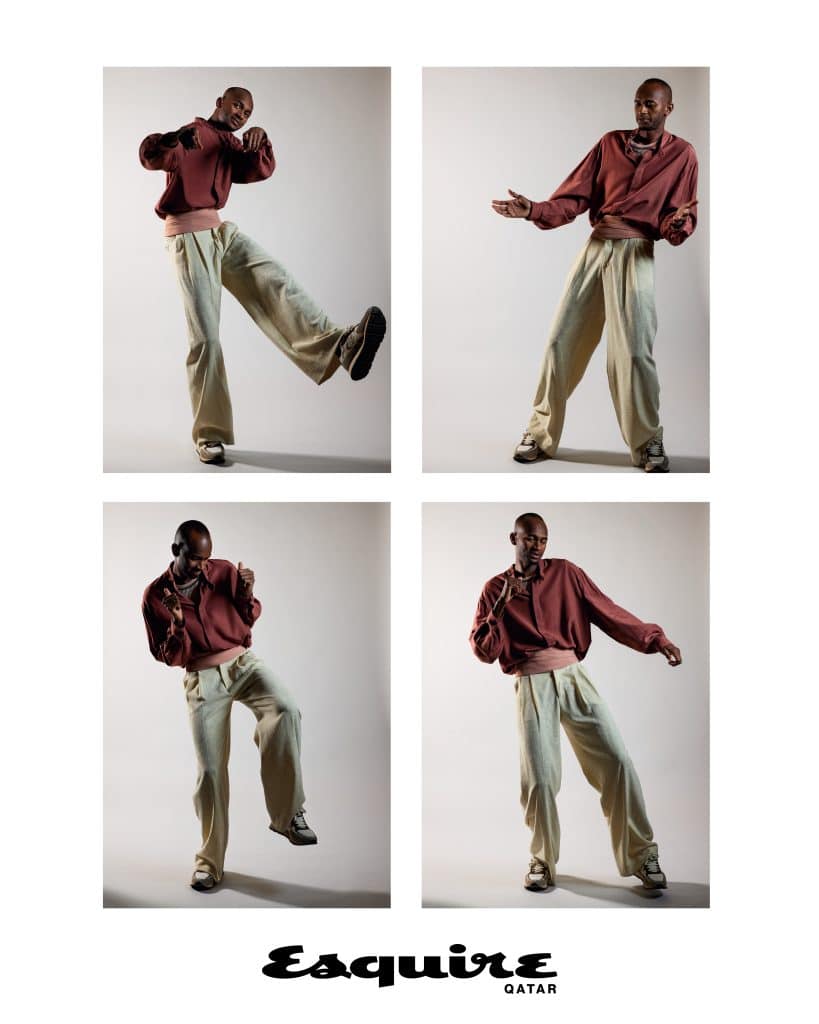
This combination of competitiveness and humility is something that has become well-known for people who have followed Barshim’s career. His immensely likeable personality has made him one of the most popular stars in world athletics. But when it is time to compete, his focus is unparalleled.
“Winning an Olympic gold medal brought new opportunities and recognition, both personally and professionally,” he says. “But along with it comes increased expectations and pressure. I try to see it as fuel to keep improving and achieving more.” A clear signal that right now, his sights remain firmly on defending his Olympic crown this summer in Paris—and this time, without sharing the top step of the podium.
Barshim’s passion for sport as a child came from his father. His father was a runner, and was always encouraging him and his brothers to try all kinds of different sports. The young Barshim quickly found an affinity with high jump. “The high jump was always fun. Something that I always looked forward to,” he previously told Esquire. “I loved the training and with my dad’s support and motivation, I realised that it was something I could turn into a career.”
Along with his father, Barshim attributes much of his formative success to the trio of the Al-Rayyan Sports Club, the Qatari National Team, and the Aspire Academy in Doha. “Each one of those has played a very important role in my career,” he said. “When you reach a certain age, most parents don’t want you to abandon study for sport. Aspire Academy offered both excellent academic and sports training so I was able to pursue both.”
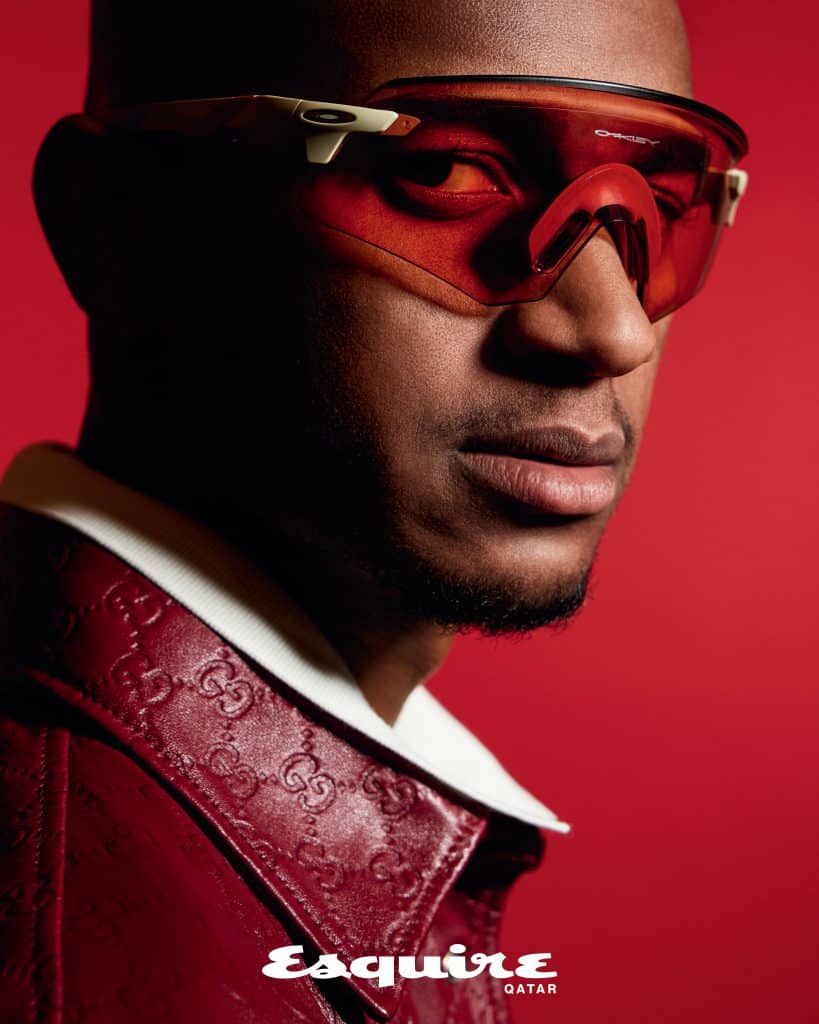
But for a rare talent like Barshim, success quickly followed. In May 2010, he competed in (and won) the Arab Athletics Championships for Juniors in Cairo, then later that year winning the Asian Junior Athletics Championships with a winning jump of 2.31 metres—setting a championship, as well as a Qatari national record in the process.
That first taste of gold was a big moment, he acknowledges—a turning point for him that opened up many doors and the dream of representing his country on the grandest stage. “Coming into the World Juniors I was already favourite to win, but I needed to prove to myself that I could jump on the big stage and at the highest level. It’s when I really thought, ‘I’ve arrived.’”
With the wind under his wings, he made the transition to the main competition, and continued to evolve. At an event in Brussels in 2014, he would set his personal best of 2.43m—a feat that remains the second highest jump in history. By 2017 Barshim was catapulted to even greater heights, capping off a sensational year by winning gold at the World Athletics Championships in London, topping the Diamond League standings, and being named the IAAF World Athlete of the Year—the first high-jumper in history to be awarded that accolade. But Barshim’s gravity-defying commitment to excelling in his sport has not been without its challenges.

“I have had to make so many sacrifices, and I am still making them today,” he says. “If you want to be the best in the world, you have to expect that. You cannot eat what you want to eat, your leisure time is very limited, and you miss out on time with your friends and family. Every year, I’m out of the country for around eight months. I don’t see my mum for two or three months at a time. I miss my best friends’ weddings, graduations, and family holidays. You know that you have a target to meet and those sacrifices are a necessary part of it but it’s still difficult. When I step out onto the podium, however, it all becomes worth it.”
Among all of his professional accolades there are two moments that stand out above the rest: winning the Olympic gold, and being crowned World Champion in front of an adoring home crowd in Doha at the 2019 World Athletics Championships.
Coming off a near career-ending injury to his left leg—his take-off leg—Barshim overcame ruptured ligaments in his ankle to triumph in Doha, a title that he felt destined to deliver. “It wasn’t about me anymore, I had the hopes of a nation on my back. The whole of Qatar was watching me and I wanted to deliver,” he told Esquire. “This is what I love to do. This kind of pressure is what I see as ‘good pressure’. It comes from people who want you to do well and win medals. I needed that pressure to perform and I took it and translated it into positive energy to help me jump.” And jump he did, becoming the first man to ever retain the high-jump world title. He would go on to ‘three-peat’ at the next World Championships in Eugene, Oregon, in 2022.
It’s hard to fathom that, at just 32 years old, Mutaz Barshim is a veteran in his sport. This summer will be the fourth Olympic Games for the three-time world champ, and he has been using all his experience to try and peak his performance in Paris. “With each Olympic Games, I gain more experience and understanding of what it takes to compete at the highest level,” he says. “I approach each Games with a mix of confidence from past experiences and a drive to continually improve and push my limits. The motivation comes from wanting to continue to push the boundaries, and inspire the next generation of athletes.”
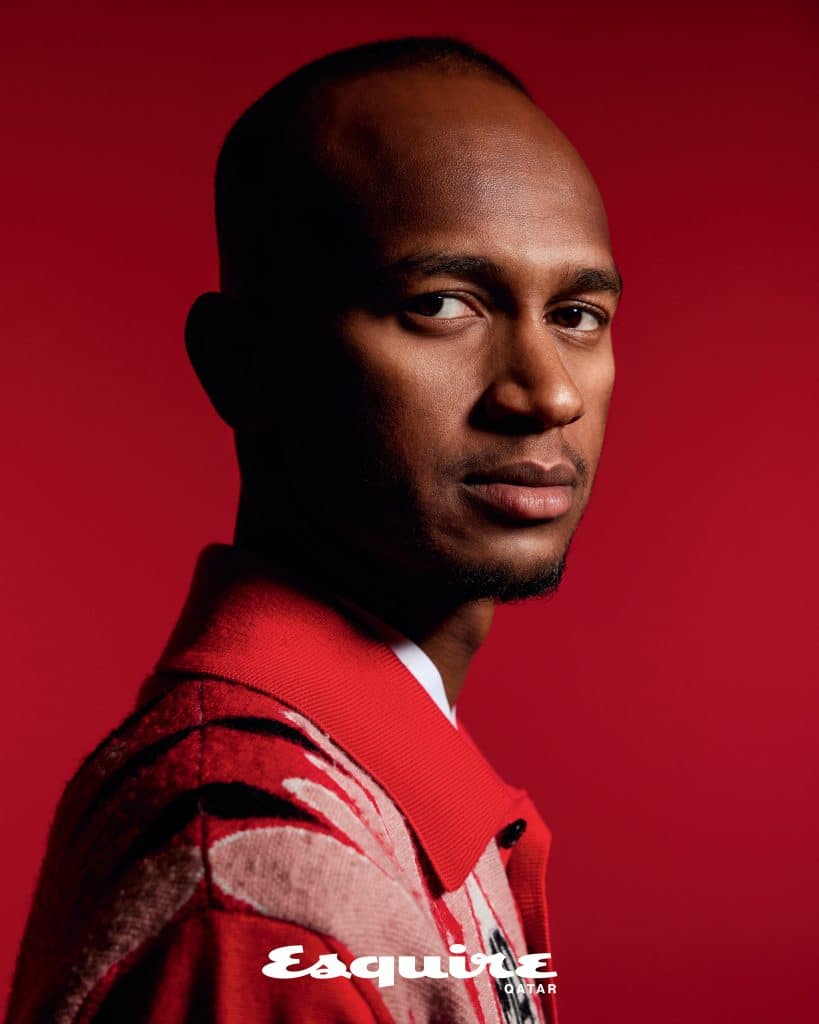
That idea of inspiring young athletes is becoming more prevalent in Barshim’s career these days. Earlier this year, he teamed up with Doha’s Aspire Academy to create the inaugural What Gravity Challenge (WGC) —an event where world-class high-jumpers competed outside of the regular athletics calendar meetings.
The WGC event attracted many of the world’s top high jumpers, including former world champions Donald Thomas of the Bahamas, Ukraine’s Bohdan Bondarenko and current World silver medallist Ju’Vaughn Harrison from the USA.
Thanks to his first-time clearances up to 2.31m, Barshim won the event ahead of South Korea’s Woo Sang-Hyeok, but he was also delighted that the event also involved student-athletes from Aspire Academy, where Barshim believes Qatar can find his successor in the future.
“I see myself in the kids. I was in these kids’ shoes once, and I hope they will get inspired to go higher,” he said speaking at the event held in May.
In reality, it is a tough ask. Through Barshim, Qatar has already produced an athletics titan and a national sporting icon, is it fair to expect lightning to strike twice?
“Absolutely,” Barshim tells us. “My advice to them is to always dream big. If you stay focused on your goals, work hard, seek guidance from mentors, and never give up, then that can drive you towards success. Treat life like there are no failures, only lessons—my journey is proof of that. Proof that you can leave a mark on this world.”
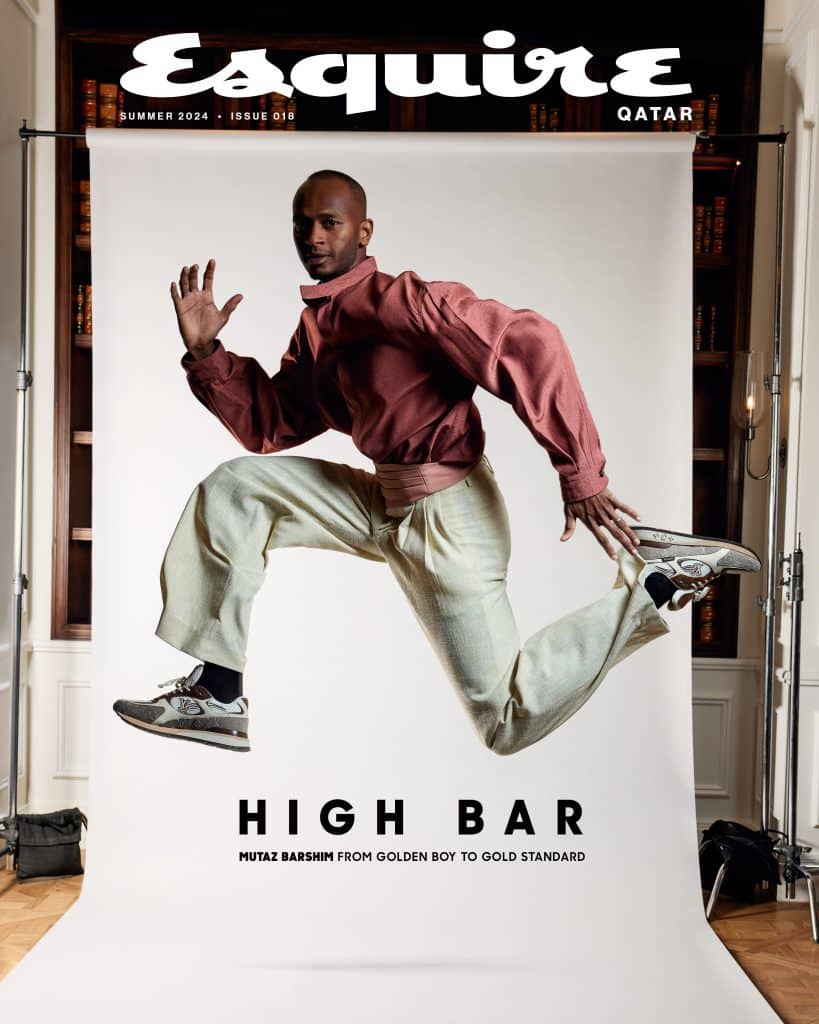
Photography by Oscar Munar / Styling by Imogene Legrand / Production by Steff Hawker / Location: The Chedi Doha