


Jason Segel recounts to Esquire Middle East his journey
I had a really intense period of success in my 20s, and it lasted up until I hit 33, when How I Met Your Mother ended. That was the first time since my career started where I had a minute to think—and to breathe.
As I sat at home, thinking back on the last nine years, I finally took stock in where I’d taken myself. I realized something was missing.
It didn’t make sense to me at first. After all, by most people’s standards, I had sort of won. This should feel like one of the highest points of my life, shouldn’t it?
It wasn’t. In that moment, I realized I was really unhappy. I was not feeling the thing I was told I would feel if I had achieved all these things. It made me think back to who I was nine years earlier.
When I wrote Forgetting Sarah Marshall, I was 24 years old. It was a break-up movie, and I think the realized it worked is it was true to who I was. All of that, especially the most painful parts, were very authentic to what I was going through at the time. I just had a big break up, I was having really intense feelings about it, and I wanted to express that.
It became a huge hit, and it was hugely gratifying at the time. But I was young, so I started listening to all the people around me, industry people who knew exactly what to do when you experience that kind of success.
What I didn’t understand is that, when then happens, if you’re not careful, you get pulled by the business end of things, and the advice you’re getting is really just about business—not about who you are or what you want.
In this business, you take that success and stretch it as far as you can until the rubber band snaps.
How I Met Your Mother was a much bigger hit than we imagined, and because of that, the story went on way longer than we imagined.
Don’t get me wrong, it’s wonderful that it went nine seasons, but I don’t know if it was a nine-year story that needed to be told. They find ways to keep it going.
When it ended, I realized that I hadn’t done an artistic check-in since I was 24 years old.
I looked at what I was making, and what I was writing, and it wasn’t really fair to call it art anymore, if art requires some amount of self-exploration.
I realize this sounds a bit artsy-fartsy.
I decided I was only going to take parts that put me near people that I admired, so that I could ask them questions about how they do it, and how they choose parts and—really reductive things.
I wanted to ask the people I respected the most, ‘how long do you wait between roles? Do you think about money when you’re choosing your parts? Like, how do you do it?’ Because I had I really didn’t have an education in that way.
I came out of the gate, weirdly, making big studio comedies, which is a very particular thing. They sort of don’t exist anymore now.
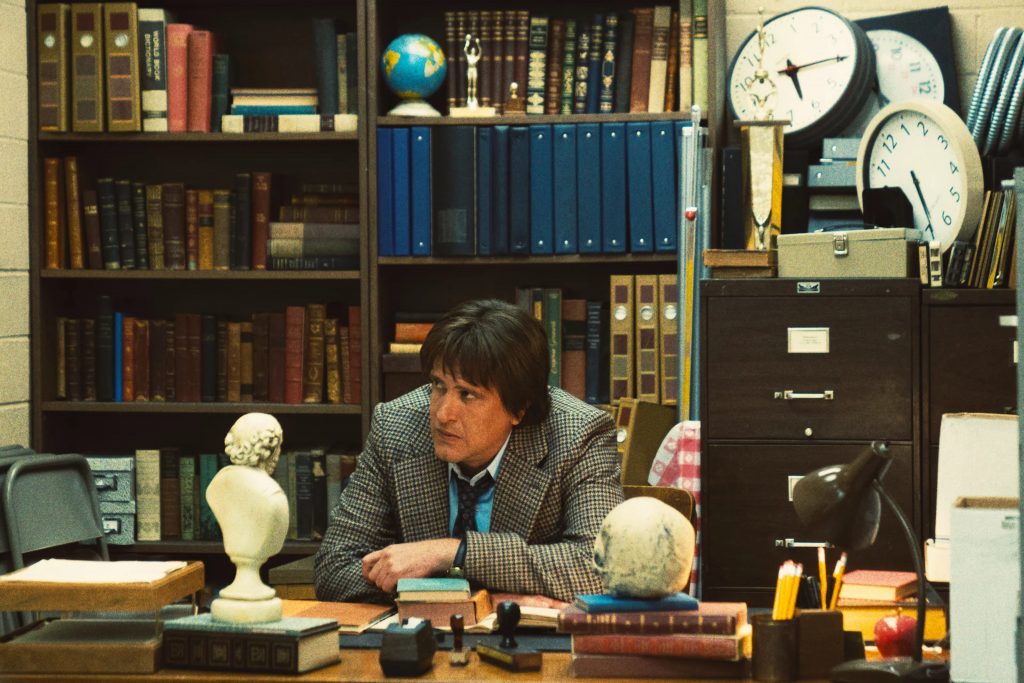
When I got sent the script for my latest project, Winning Time: The Rise of the Lakers Dynasty, there were 15 people I admired in this cast that I was going to get to be near and ask questions to, act alongside and watch what they’re like when they’re between scenes.
I love watching how good actors prepare and how they act. That’s what I’m all about at this stage of my career.
I always thought that it was about this final product, and how well it did, or XYZ. Another neat thing about everything switching into TV is that these metrics of how well it does have sort of gone away. There’s just so much content.
Now I have my own metrics. What I aim for now is trying to not forget that this is my life. The making of a show like Winning Time, the 10 months it takes to make this, is when I’m alive and it’s part of my life. It’s not bracketed from life—it is my life. I want to experience that. I want to act with Tracy Letts, I wanted to act with Adrian Brody, and all these people who I admire and want to learn from.
I have done and have written also a lot of different versions of coming of age stories, and someone who is stepping into their adulthood. In a lot of ways, it’s what the style of comedy that I came up in was all about, for a long time.
Comedy changes, as always. It always has. And that story, I think, had been told enough that it got left behind.
When this show came my way, it was presented to me in a more Shakespearean context, but in the same vein of somebody stepping into their manhood. I was really interested in approaching that same story at 42 that I had looked at when I was 25.
Paul Westhead, the coach of the Lakers in that period, when we find him, is stuck. He’s stuck in a place that for most people is past the point of no return. As a younger guy who’s stuck, there is some hope that they’re just looking for their thing.
Paul Westhead knew what his thing was, and it just didn’t take. They took away his coaching status. He was sort of relegated to purgatory of teaching Shakespeare, and thought that was going to be forever. And then circumstance forced him to step up. That was really interesting, getting into somebody that was going to step up for what is probably their last at bat for glory.
I don’t think this is my last bat at glory—far from it. But honestly, glory means something different to me now.
Winning Time: The Rise of the Laker’s Dynasty is now streaming on OSN+ in the Middle East
Edited for clarity and told to William Mullally