
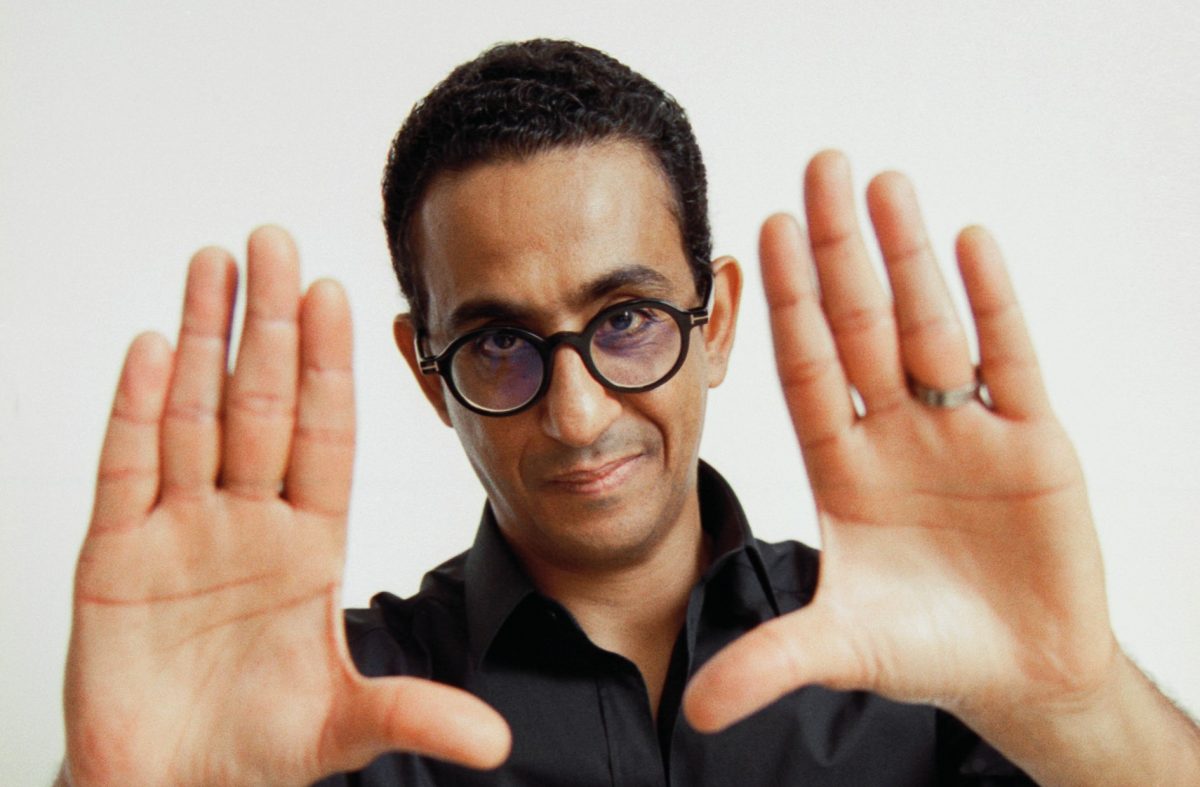

26 years ago, Marwan Hamed had a vision for what Egyptian cinema could be. He was working on a trainee on the film Sleeping in Honey, watching his two heroes—actor Adel Emam and his father Wahid Hamed, Egypt’s most respected screenwriter, firing on all cylinders decades into their tenured careers. These two men, he thought, are fearless. He knew then that some day, he would be too.
In 2022, Marwan Hamed may be without peer. The 45-year-old Egyptian filmmaker has, after all, been on an unparalleled winning streak of his own since his feature film debut in 2006, seemingly setting box office records for the sole purpose of breaking them again with his next one. With Kira & El Gin, the renowned director has done with many once thought impossible—crafting a sweeping period epic that brought post-pandemic audiences back in droves, turning the film into the biggest financial success in Egypt’s storied cinematic history.
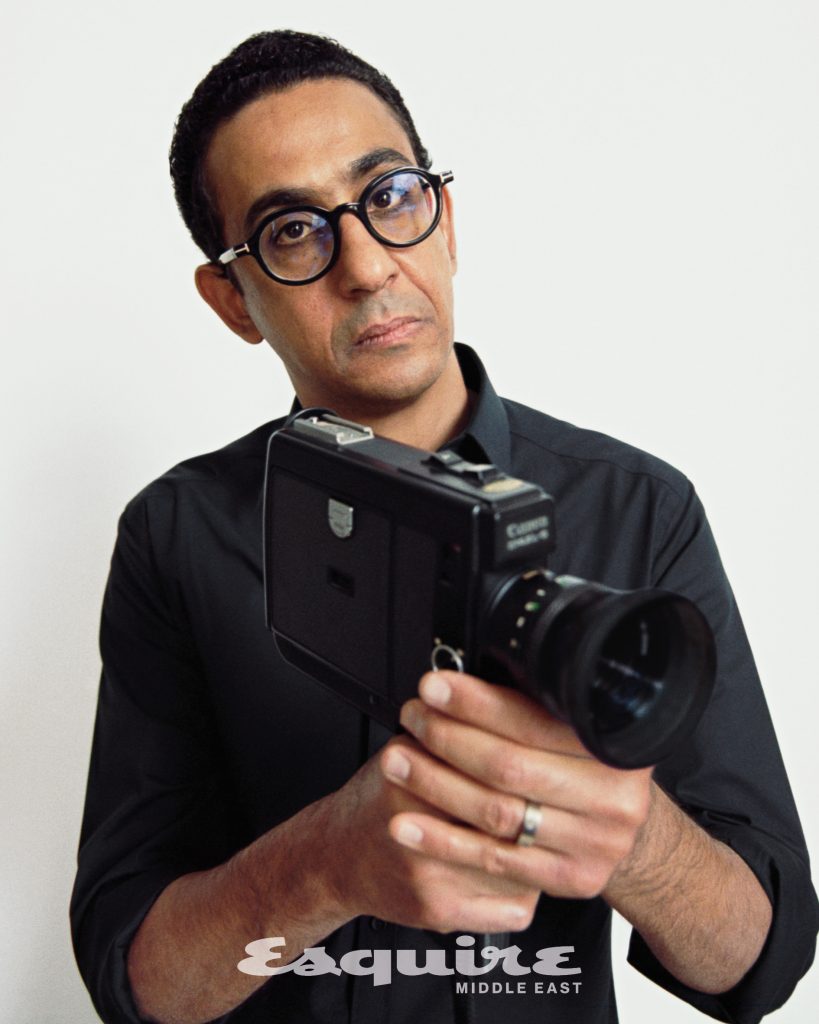
For Hamed, it’s simple—success is all about trust.
“In this industry, if you do a successful film, people will trust you. That’s really it. That’s why I take my time,” Hamed tells Esquire Middle East.
“I’ve done seven films in 20 years. I really take my time to make sure that that what I’m doing has value, and that I’m making a film that the audience I’m making it for—whether big or small—actually will want to go out of their way to see it,” Hamed continues.
Audiences across the Arab World certainly have learned to trust Hamed. After all, his first feature film, The Yacoubian Building, is already considered a classic of modern Egyptian cinema, uniting him not only with his childhood hero and Egypt’s biggest star Adel Emam, but his father Wahid Hamed as well, who wrote the screenplay.
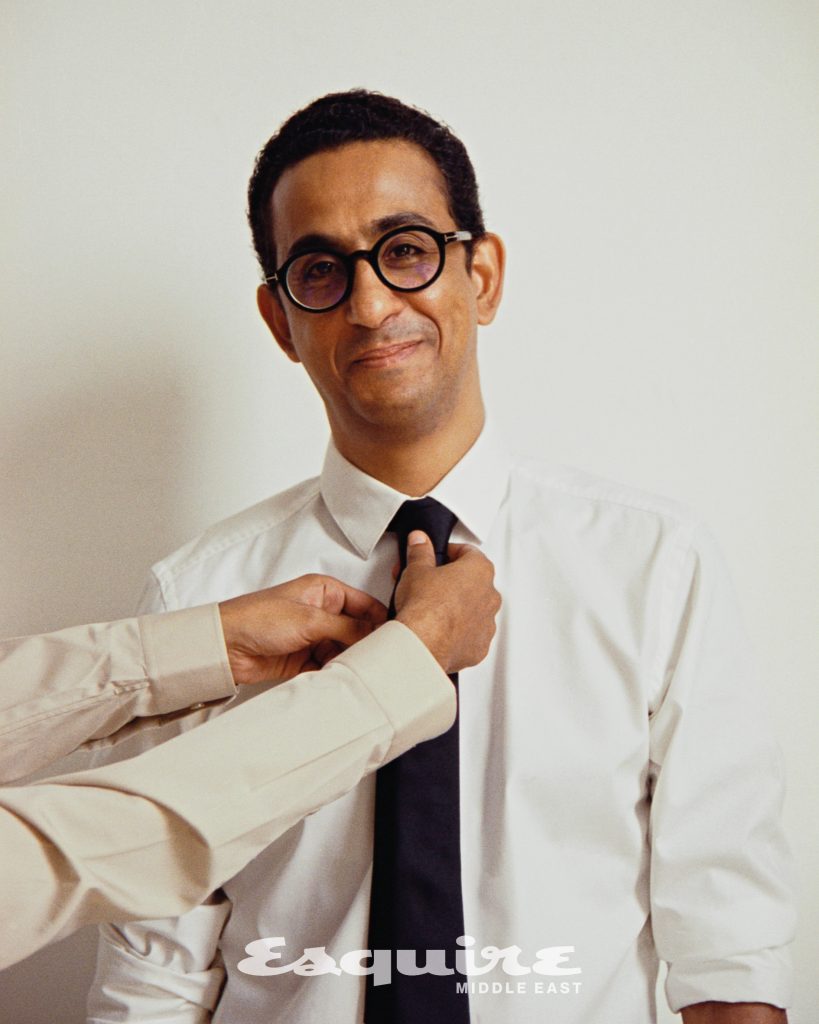
Each subsequent film he’s made, including Blue Elephant 1 and 2, 18 Days, El-Asliyyin and Diamond Dust, has delivered the goods and bolstered Hamed’s reputation in the process, each made to a level of ambition that Egyptian audiences had never witnessed from a domestic production.
“Every time our films break a record, it teaches me some things. It shows that there is room for big budgets, that there’s room for ambition, and that there’s an audience that is hungry for different kinds of films than they’ve seen before,” Hamed says.
The success of Kira & El Gin, while it may seem inevitable in retrospect, was by no means a foregone conclusion. From the moment he got the idea, Hamed was determined had to push himself completely out of his comfort zone, first having to immerse himself in the history of the Egyptian resistance of British rule during the 1919 revolution.
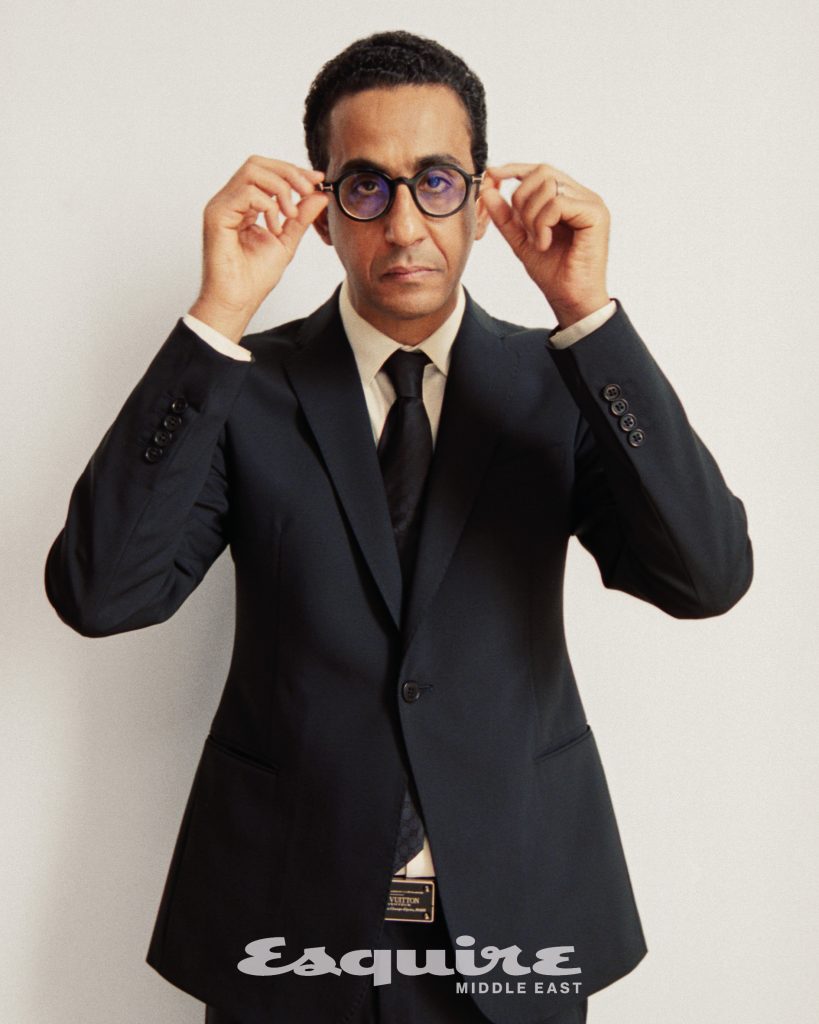
“I had to just go back, open so many books, and actually do my research. The amount of knowledge that I had to accumulate for this film was unbelievable. I had to read not only about Egyptian history but about world history, about the politics of the time and all the people caught up in it. Had to study the costumes, the look of Cairo at the time, and every other detail the film had to recreate,” Hamed says.
“It added a lot to me as a filmmaker, and to me as a person. Entering new territory helps me develop as both an artist and a human being. I think audiences appreciate the risks taken.”
Through it all, as he had since he first decided to become a filmmaker as a teenager, Hamed leaned on his greatest advisor and best friend—his father.
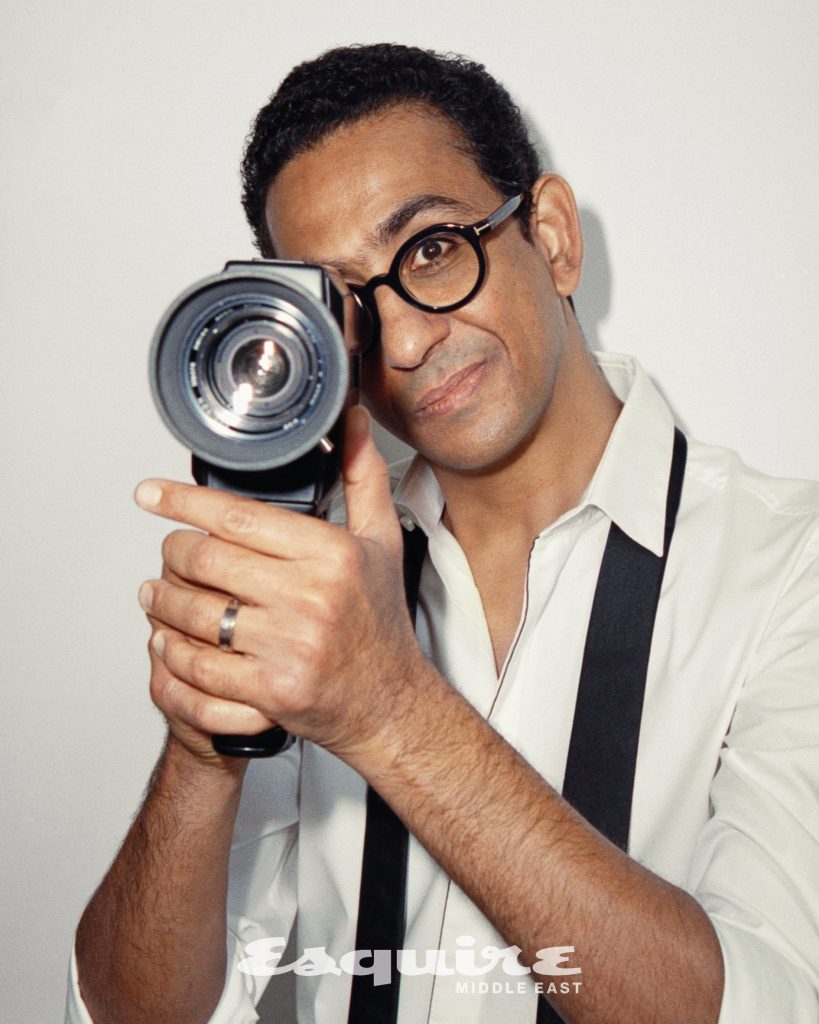
“I was always lucky to have my father supporting me, both emotionally as well as being one of the few people to understand what it takes to put your heart in into a project,” Hamed says.
“I would always go to him for an opinion. Everyone can always learn from their father, but when your father is a great filmmaker in his own right, it became something even more invaluable. Our talks were of great importance to me, and added a lot to each project. I would come to ask him about literally anything, take his opinion on everything. We would have lots of discussions as I worked on Kira & El Gin.”
The best laid plans, of course, rarely work out as such. The film began shooting shortly after The Blue Elephant 2 soared through cinemas, only to have production shut down for a full year once the pandemic hit.

“The shutdowns affected me greatly. With all my films, I shoot continuously, to capture a continuation of emotions. With the year’s break, I forced myself to constantly work on the film, because I couldn’t let myself forget it. Whether it was as simple as watching footage to keep my mind on it or something more, I had to keep the same drive and the same emotion to be able to give it the same heart once we continued,” Hamed says.
“That was worrying me so much. I was scared that people would watch the film and would know something was wrong — that something wasn’t flowing. That’s why I couldn’t let go. I couldn’t let that happen. I just continued.”
When production began again in 2021, Hamed was overjoyed, believing that they were finally out of the woods and could still complete the film as he intended.
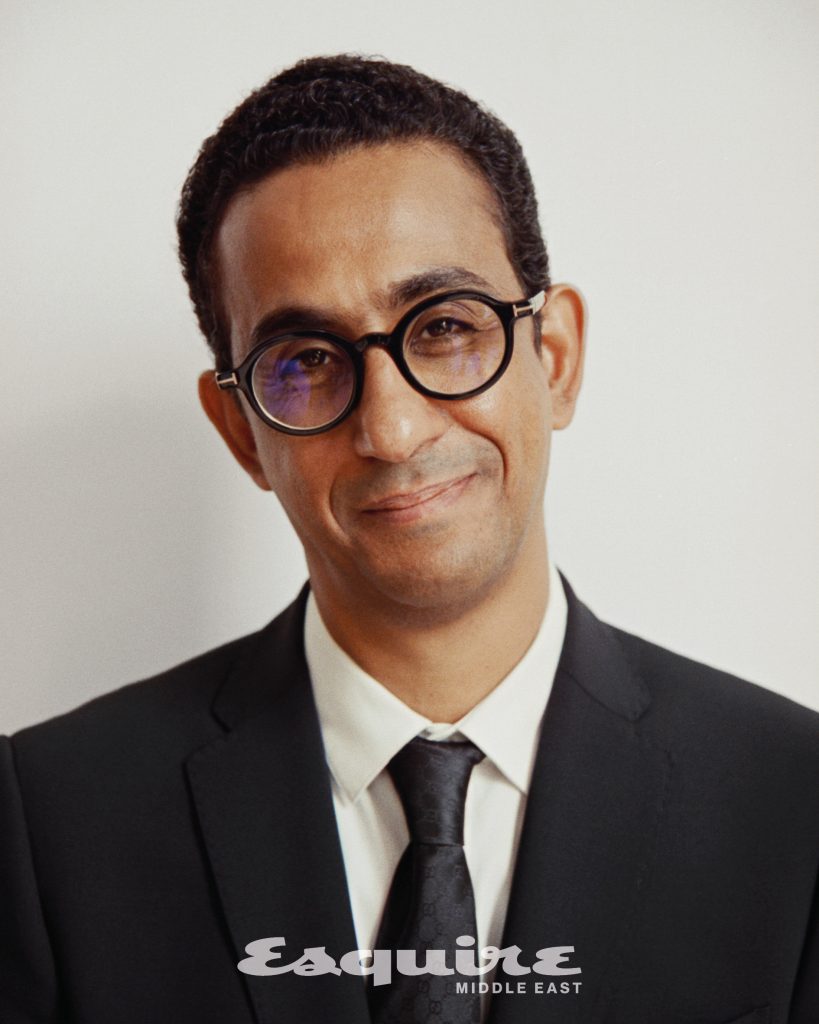
It was then, as they were filming, that Hamed received perhaps the worst news of his life.
“I found out I lost my father,” Hamed says.
“This was so tragic for us, and when you’re forced to go to set with that on your shoulders, it’s not easy at all. I had to try to just work and be normal—it was genuinely surreal. My mother and my wife were really supportive. They understood what I was going through, and they understood the pressure of the film, and the trouble I was passing through,” Hamed continues. “I couldn’t have done it without them. When you’re surrounded by people that love you and understand what you’re going through, you just need that kind of support in your life to be able to work that passionately.”
Hamed, of course, did manage to finish the film, and made it everything it he and his father had known it could become.
As it premiered, Hamed couldn’t help but look over at the empty seat in the audience, left by the one person who he wanted to see the film more than anyone.
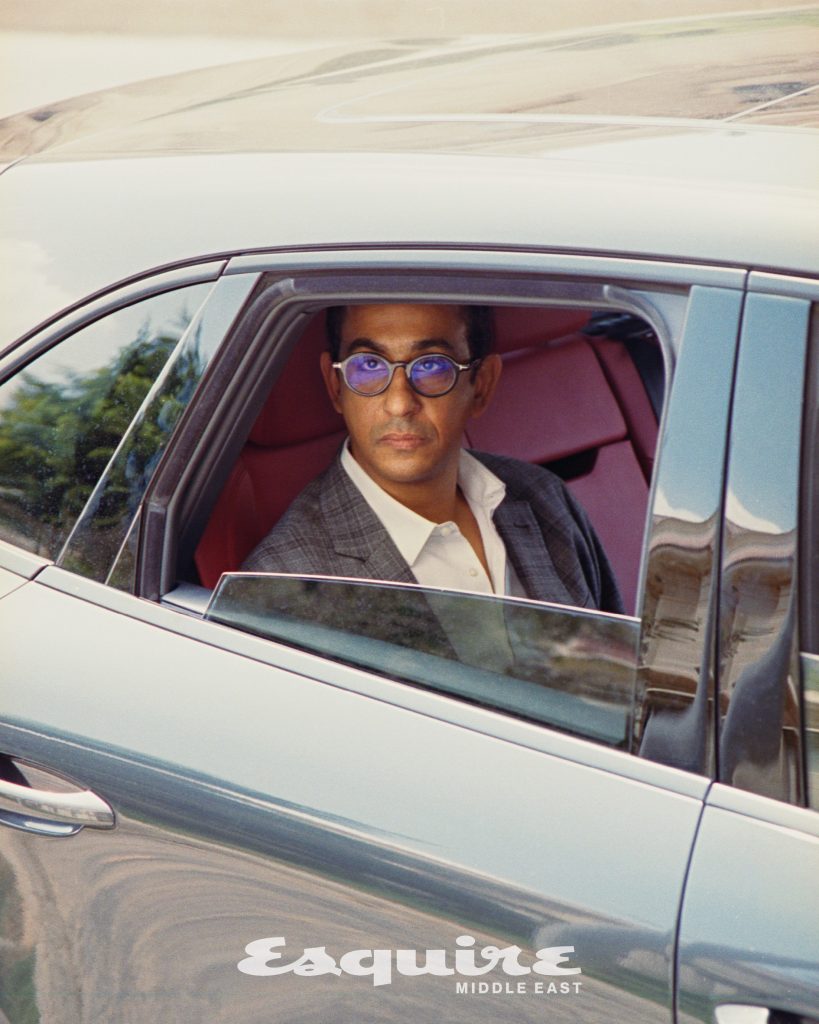
“This is one of that I really wanted him to watch,” he says. “I wish I could talk to him about it. He was such an open-minded artist, so in tune with the avant-garde and focused on the younger generation. Every discussion with my father had a lot of joy, and at the same time, it had a lot of value.”
Now, as Hamed takes time off before pursuing his next major project, he is more focused on the best friend and confidant he misses talking to every day. He’s thinking back to working on a trainee on the set of some of his most explosive films, or watching him fearlessly go to court after his films drummed up political controversy. And while he can’t find inspiration in their daily talks, he’s diving into his father’s work more than ever before, with his own great vision for what Egyptian cinema can be firmly rooted in the fantastic legacy his father left behind, and one he’s focused on both preserving, and continuing on its spirit in his own work.
“I really hope a lot of this work can get restored, because it’s very important for younger generations to get a chance to watch them. His work is the kind that truly stands the test of time. I miss him every day—but we’ll always have his films.”
Photography – Michael Sheller https://www.instagram.com/michaelsheller/
Stylist – Hussy ElCeliemy https://www.instagram.com/elceliemy/
Make-up – Diana Harby https://www.instagram.com/dianaharby/
Grooming – Mostafa Hany Gaber https://www.instagram.com/mostafa_hany_gaber/
Marwan Hamed is the latest cover star of Esquire Weekend
