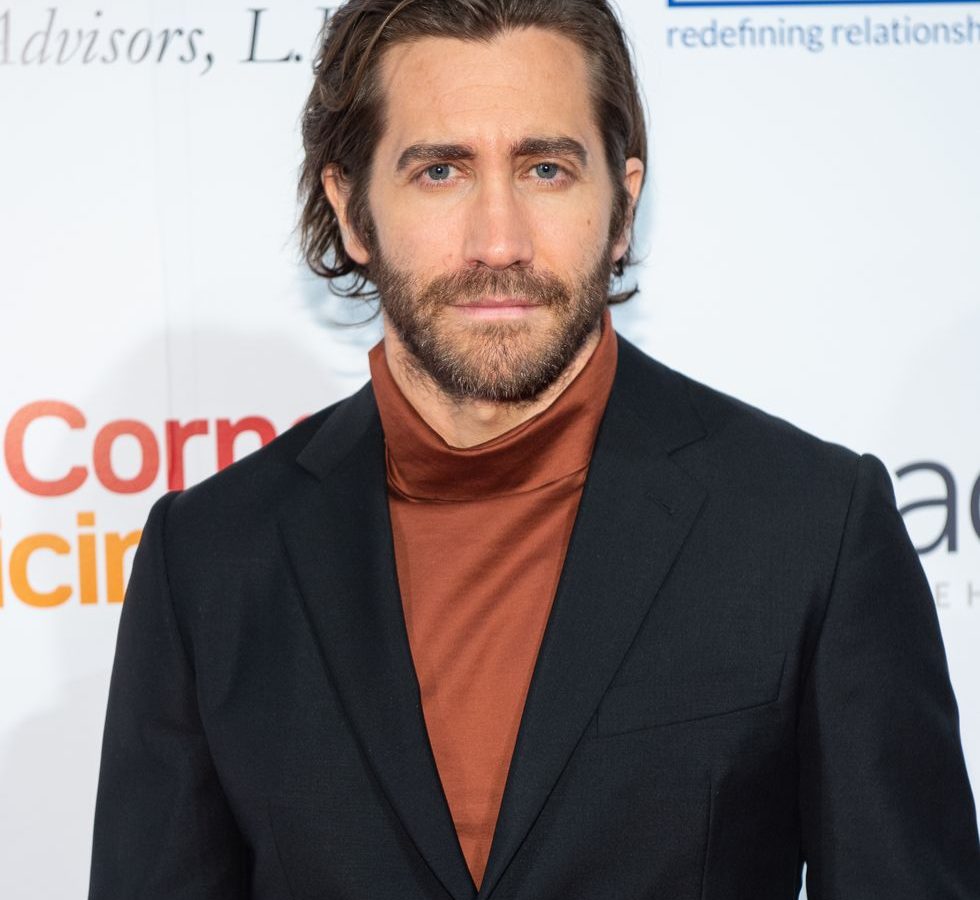
David de Rothschild (yes, he is of that Rothschild family) is an adventurer, ecologist and environmentalist.
He currently features in CNN’s The Modern Explorers series, currently airing on CNN International, while also acting as head of the Sculpt the Future Foundation, a charity that supports using innovation and creativity to battle the environmental crisis.
We recently sat down with de Rothschild to talk exploration, sustainability and how some of his favourite places in the world.
***
ESQ: Is the age of exploration over?
DDR: Actually, I’d argue that we’re in the golden age of exploration when it comes to understanding how to live on this planet. When you see the technology available to help us observe and understand nature, it opens up a new interpretation of what it means to explore.
ESQ: You mentioned today’s technology, what direct impact does that have on exploration in the modern era?
DDR: This question is right at the heart of our Modern Explorers series. I would say it’s a balance between learning from nature and helping inspire action. It’s easy to be overwhelmed by environmental stories, so finding the right messages and right way to collaborate with people on solutions is vital.
ESQ: What new frontiers personally excite you the most?
DDR: The role of technology has essentially refreshed our role as environmentalists. During my documentary with CNN, we were able to analyse sea life, safely tag manta rays and monitor the levels of coral bleaching in the Great Barrier Reef. There’s been a bit of a preconception where technological advancements often come at the expense of nature or vice versa, where in fact we’re increasingly seeing them work in harmony.
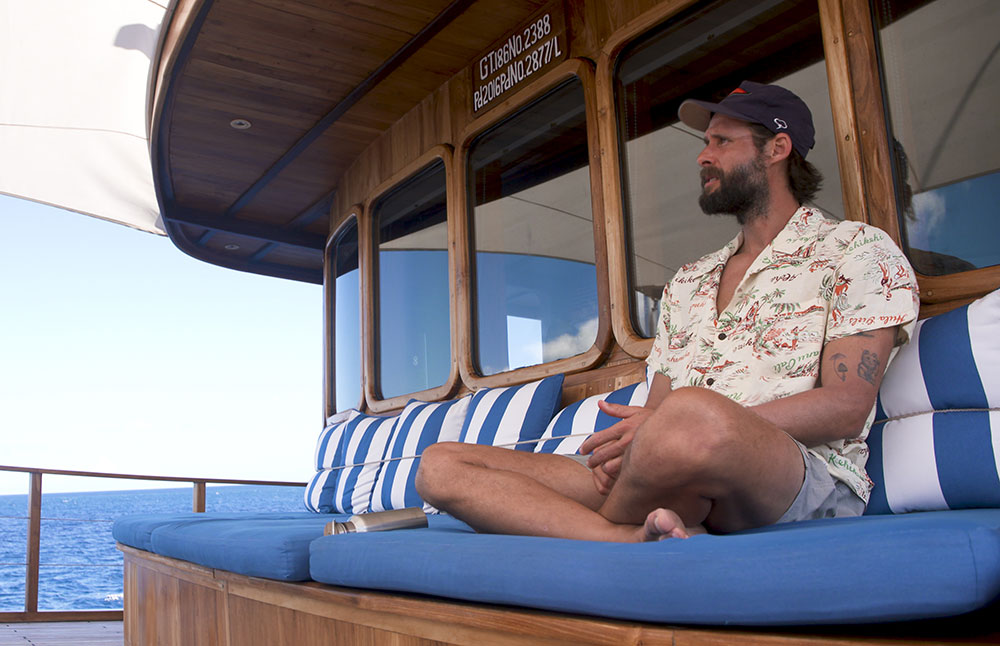 David de Rothschild currently features in CNN’s The Modern Explorers series
ESQ: What age were you and what made you want to be an explorer?
DDR: It’s hard to pinpoint when exactly, because there’s always been something within nature which is worthy of the world’s attention. I think attempting to follow that sense of awe and wonder has led me to the curious exploration I still find myself doing today.
ESQ: You’ve previously said “being an explorer is looking through the lens of curiosity rather than trying to conquer nature”. What do you mean by that?
DDR: For me, the idea of exploration always been less about athletic feats and more about what draws you to take part in the first place. The environmental engagement is there, the technology is becoming increasingly advanced – the hardest part is often just going out and doing it.
ESQ: Your expeditions have been so varied. If you had to pick one standout one, which would it be and why?
DDR: I suppose I’m best known for my role in the Plastiki project. Certainly, when you compare the global conversation around plastics today when compared to the start of the expedition back in 2010, it stands out. It was great to help kickstart that conversation through grabbing people’s attention with such a visual medium, but there’s still a lot that needs to be learned and acted upon even now.

In 2010, de Rothschild sailed the Atlantic on a catamaran made out of 2,5000 recycled plastic bottles
ESQ: Tell us of one of the scarier moments that you have encountered…
DDR: It has actually nothing to do with exploration. I would say standing onstage in front of a classroom of children and explaining how adults have impacted their futures through environmental damage. Firstly, if anyone can knock you down a peg, it’s children. But more importantly it reaffirmed how much we’ve hindered the next generation and why we need to continue to do more.
ESQ: Where was the last place that left you genuinely amazed?
DDR: The most beautiful place I’ve recently visited was Bhutan. It was one of those places that immediately left an indelible mark on me. If you want a place to truly connect with nature, Bhutan will take your breath away.
ESQ: Sustainability and sustainable business practices is not only very topical at the moment, but also something that is very close to your heart. As a species are we too late (or too stubborn) to change?
DDR: No, because there’s so many ways we can change it! Nature is a universal subject matter, so we have to spread its message accordingly. Whilst I agree that we’re getting better at delivering it, my fear is that we’re still losing this race against time and won’t be able to turn the clock back.
ESQ: Who do you most admire?
DDR: I find myself coming back to Richard Buckminster Fuller whenever I’m asked this question. He was at the forefront of explaining that whilst the world isn’t full of finite resources, it’s also not beyond redemption – we just need to do more with less.