
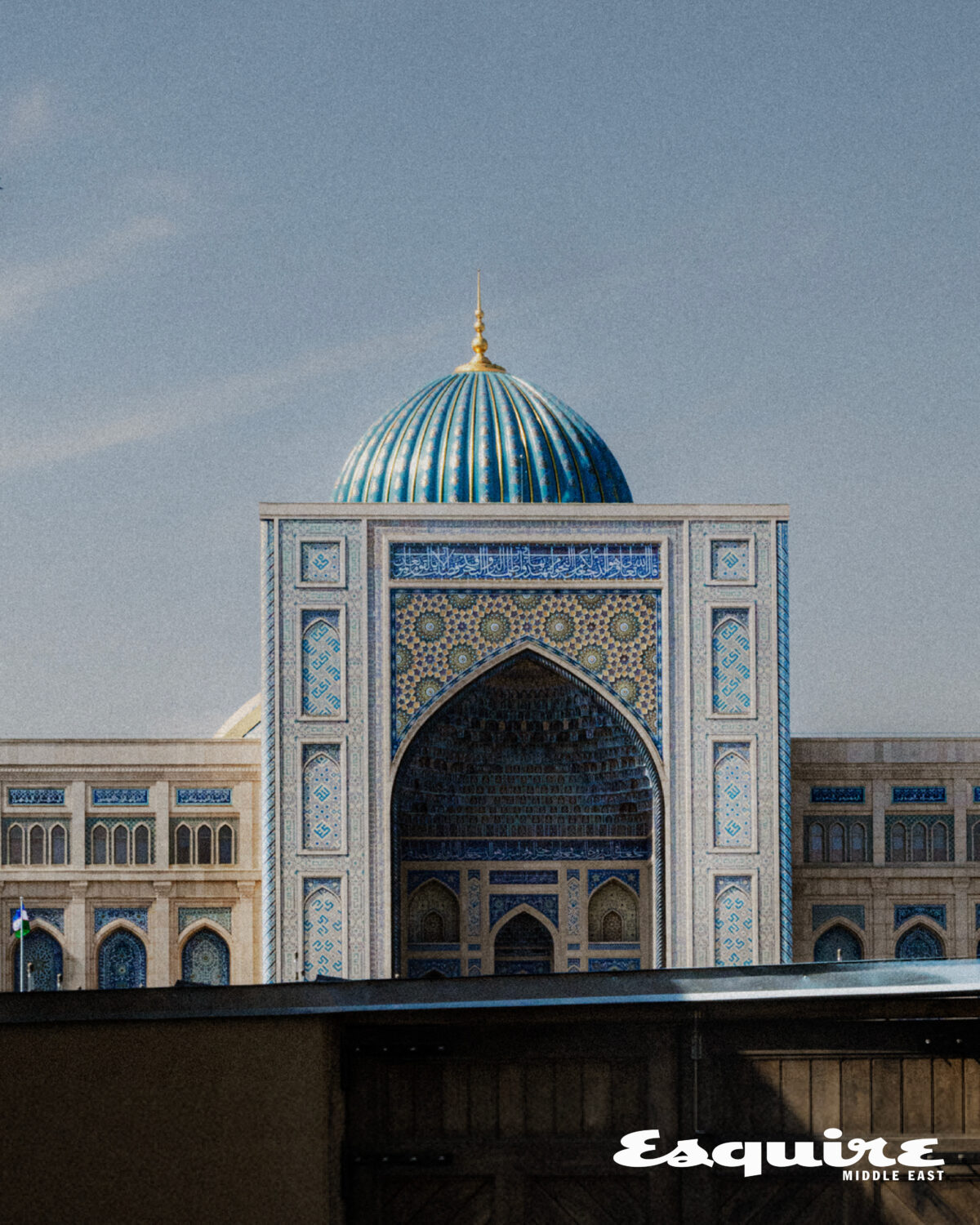

When thinking about the world’s major art and culture capitals, Tashkent in Uzbekistan is unlikely to be the first that springs to mind. It may not command the same immediate recognition as cities like London or New York, and for years it has been overshadowed by the more visibly historic destinations of Samarkand and Bukhara, but that is what makes its current cultural moment so compelling, as it prepares for the opening of the Centre for Contemporary Arts (CCA Tashkent), Uzbekistan – set to redefine the country’s creative landscape.
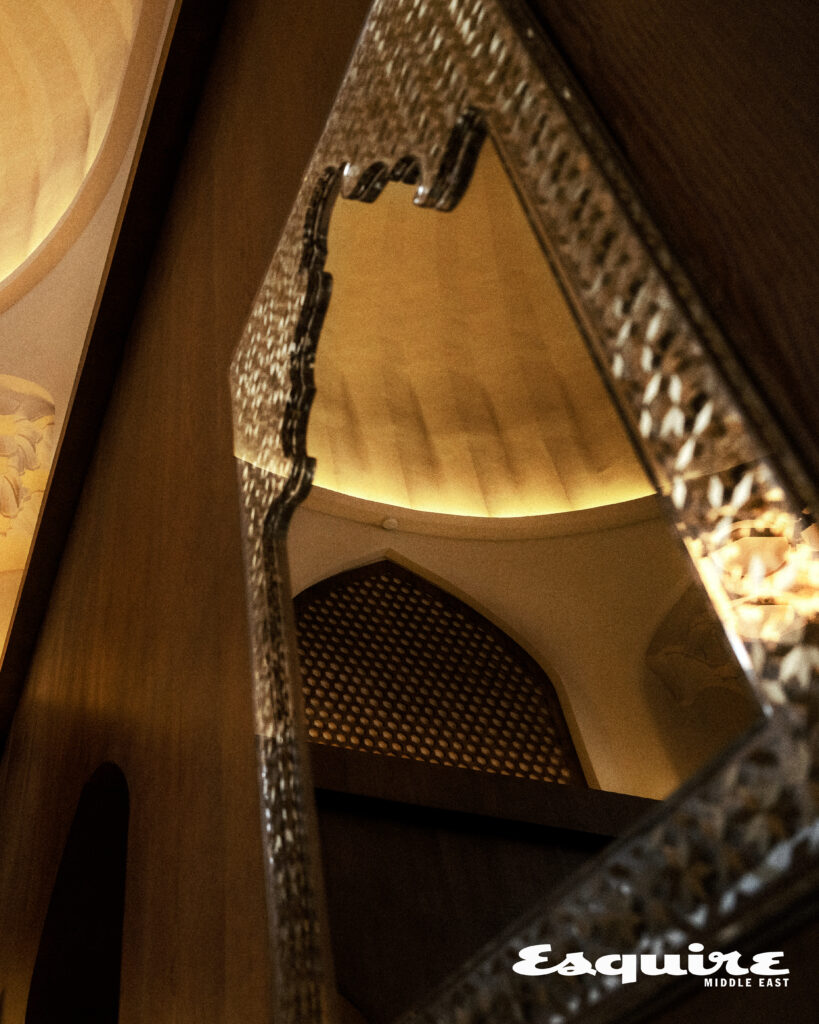
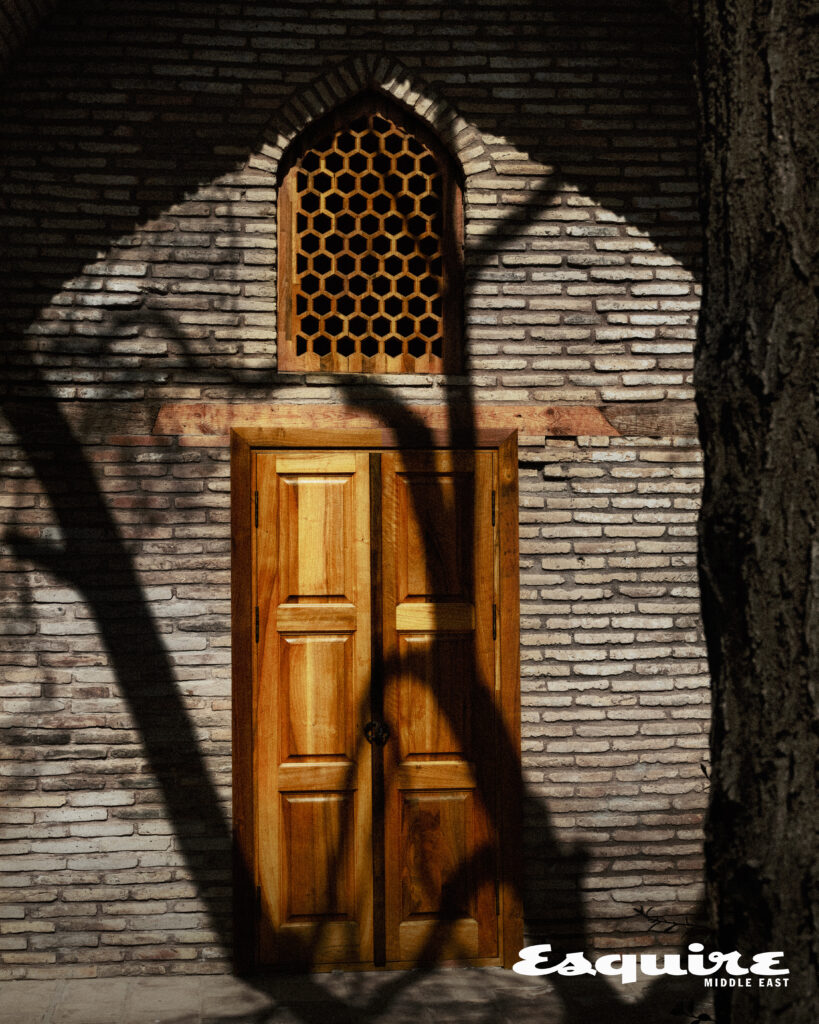
Sitting at a crossroads where goods, ideas and aesthetics have moved between East and West for centuries, Tashkent – and the wider country – forms a vibrant artistic melting pot. Persian, Islamic, nomadic and Russian influences coexist, lingering in its layered cultural fabric: architecture, artisanal craft, art and cuisine all offering clues to its storied past.
A walk through the capital reveals a juxtaposition of tradition and modernity. In the 20th century, Soviet rule reshaped Tashkent with imposing Brutalist and Modernist buildings, particularly after the 1966 earthquake, rebuilding it as what was then considered a contemporary capital – an identity that still defines much of its core aesthetic today. The 17-storey Hotel Uzbekistan, the futuristic State Circus by architects Genrikh Aleksandrovich and Gennady Masyagin, and the eccentric Tashkent Metro are among the landmark Soviet structures that contribute to the sense that the city is suspended in time, somewhere between the 1970s and early 1980s.
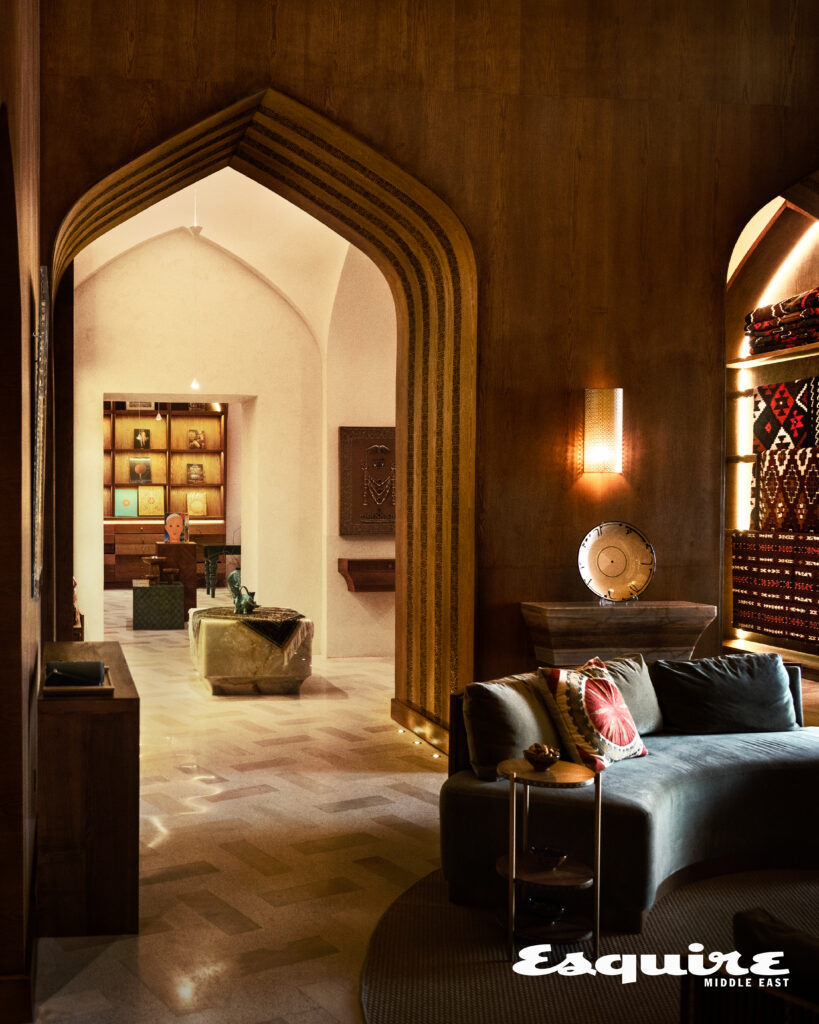
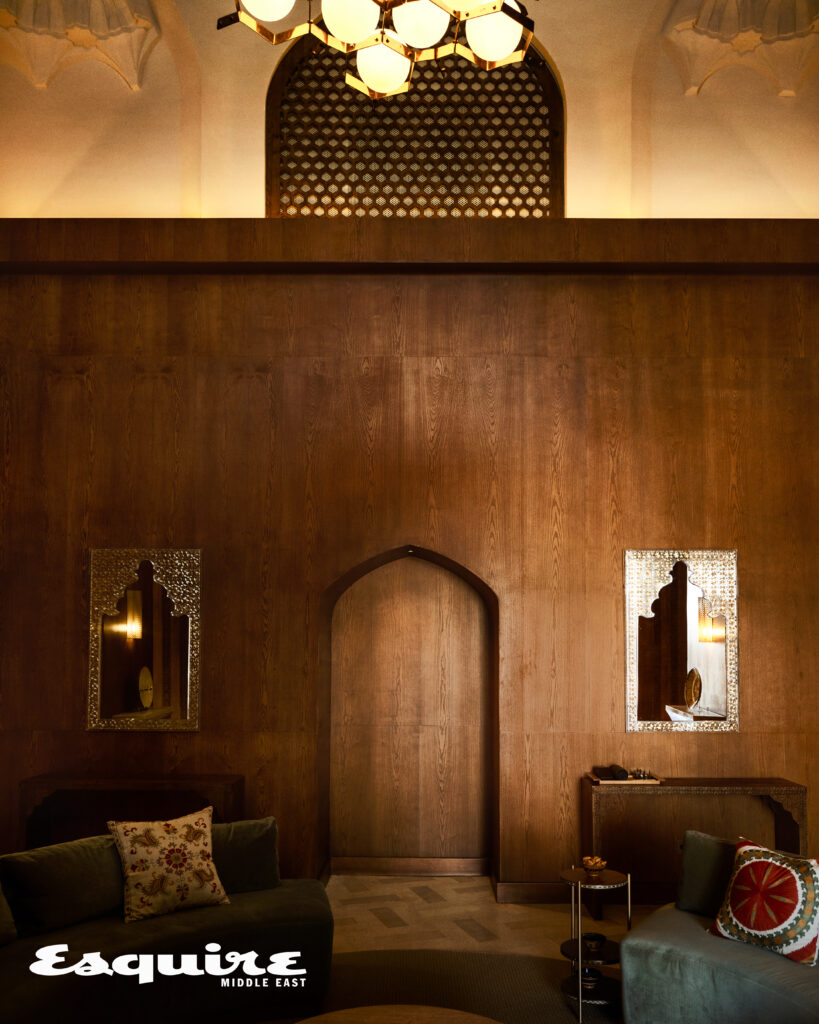
Turn a corner, however, and the city reorients. The postcard-famous turquoise domes and intricate mosaic-tiled facades of the 16th-century Barak-Khan Madrasah and the Tellya Sheikh Mosque, both set within the 7th-century Hazrati Imam Complex, anchor Tashkent firmly within its Islamic heritage. Just beyond, the narrow, winding streets of the mahalla neighbourhoods – there are more than 500 across the city – function as living architectural archives, recently added to UNESCO’s Tentative World Heritage List.
Since independence from the USSR in 1991 – and decisively over the past decade – Uzbekistan has started to reassert its cultural identity to be part of a more contemporary conversation, seeking to complement its rich history with a diverse modern appeal. There has been a clear, coordinated push to invest in culture as both a domestic priority and a form of international positioning, led in particular by the Art and Culture Development Foundation under the Administration of the President of the Republic of Uzbekistan. Established in 2017 by a decree of Shavkat Mirziyoyev, it is overseen by Gayane Umerova, Chairperson of ACDF.
The Foundation’s mission is to create an accessible and inclusive ecosystem by supporting practitioners across fine arts, architecture, literature, theatre, music and dance, understanding that fostering creativity in these arenas creates both strong local and global communities. Through the inauguration of initiatives like the Bukhara Biennial, which made its debut in September 2025 – bringing together 200 participants from 40 countries for a 10- week curated programme of contemporary art, craft, cuisine and live performance – the hope is that it preserves cultural heritage and inspires creative exchange, while attracting international attention.
Another key pillar of the Foundation is the reconstruction of cultural institutions and large-scale restoration projects, developing them into museums and public spaces. Current plans include the reimagining of the State Museum of Art – an icon of modernism in Tashkent, built in 1974 – under the direction of Pritzker Prize-winning Japanese architect Tadao Ando, which will double in size to include 7,000 square metres of exhibition space and a public park. The museum forms part of the Grand Duke Nikolai Romanov’s palace, built in 1881, which will be restored as closely as possible to its original design using archival photographs, and will exhibit classical paintings, sculptures and furniture.
A recent creative collaboration sees Lebanese designer Nada Debs breathe new life into the abandoned Okhun Guzar Mosque, situated in a fragrant rose garden in the historic blacksmith’s quarter. Originally built in 1775, the space now functions as a quietly immersive Craft Salon for Uzbekistan’s living craft traditions from Fergana ceramics, Bukhara embroidery, Khiva woodwork, and Samarkand stone carving, among other curated handworks.
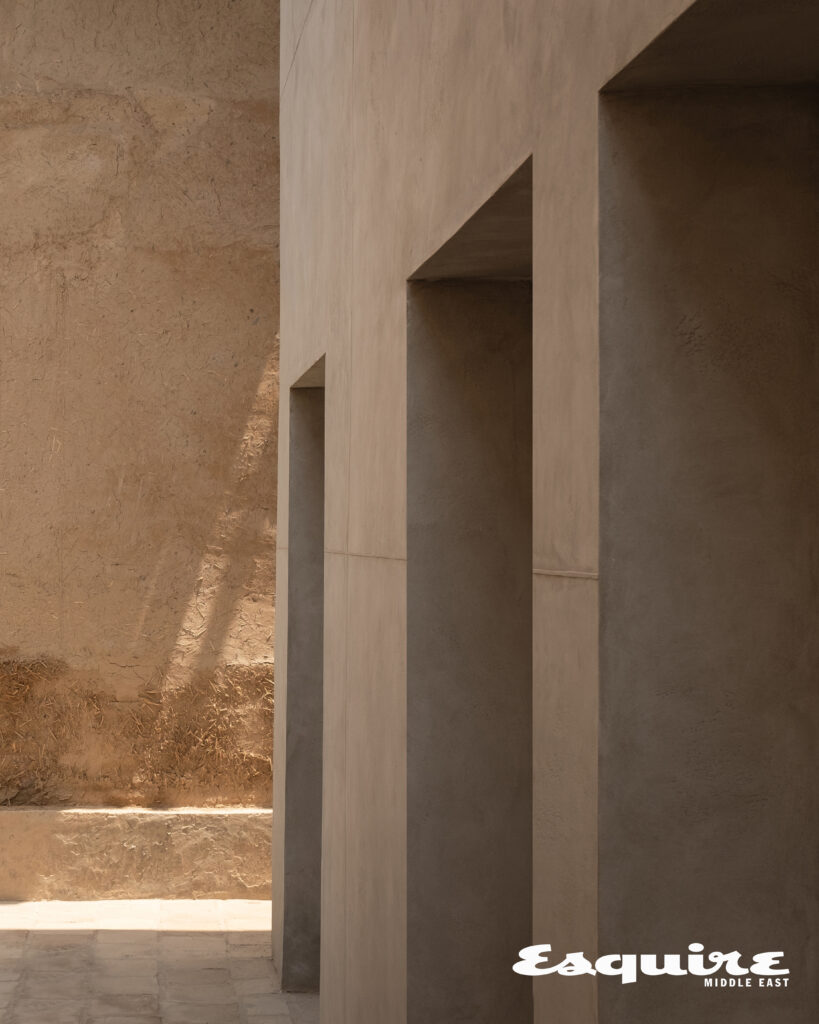
Of all the restoration projects underway, it is the forthcoming Centre for Contemporary Arts Tashkent that is set to change the way both local and global creative communities see the city. An institution that can support artists, curators and audiences on an ongoing basis, it provides something the country has long lacked: a permanent, flexible platform for contemporary art. Situated between three universities in the city’s creative heart, the centre is housed in a former diesel station and tram depot, originally built in 1912, which has undergone a stylish redesign by French design firm Studio KO – the same team behind the Yves Saint Laurent Museum in Marrakech. Preserving the building’s industrial character, the team has introduced contemporary design elements and traditional Uzbek materials to create a striking space that young people (60 per cent of the country’s population is under 30) can access free of charge.
More than a museum, CCA Tashkent’s holistic programming includes internships, fellowships and youth-focused initiatives, such as bi-weekly DJ sets, designed to cultivate community. Artist residencies are also in place, located in the Namuna mahalla – where the Matkarimboy Madrasa has been restored by Studio KO as an artistic venue – and inside a former preschool building in the Hast Imam mahalla. Designed to foster international exchange and collaboration, the residencies provide artists with studios and accommodation, exhibition spaces, a library, and co-working areas.
Set to open this year, CCA Tashkent’s inaugural exhibition, Hikmah (“wisdom” in Arabic) will showcase a global roster of artists including Muhannad Shono from Saudi Arabia, South Korean conceptual artist Kimsooja, Tunis-born and Berlin-based Nadia Kaabi-Linke, and Shokhrukh Rakhimov, a seventh-generation ceramicist born in Tashkent. A considered curation that mirrors Tashkent’s own historic role as a conduit between cultures; no longer content to be defined by its past, but actively curating its future. ccat.uz/en
Byline: Natascha Hawke
Photographer: Avani Rai
Art Director: Agata Wycichowska
Executive Producer: Drew Brown