
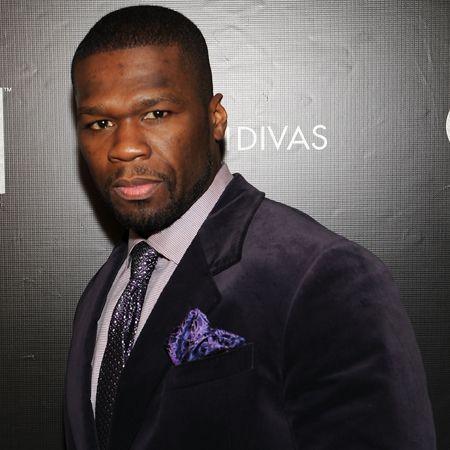

My book, The 48 Laws of Power was an unlikely hit among the rap community when it came out in the late 1990s. Fifty Cent was one of those people who liked it, as he had found it relevant to the music business. He was curious to meet me, so we arranged a lunch in New York and I don’t think either of us knew what to expect. He probably imagined an older, professorial guy and I was anticipating some kind of menacing thug. Each of us was pleasantly surprised. He’s a very nice person and doesn’t have the big ego that so many celebrities have. So I was sort of charmed by him and we had a good rapport based on those first impressions and I came away thinking it would be very interesting to collaborate on a project.
Until then my books essentially dealt with dead people. I’d written about war and strategy and I’d done a lot of work on people like Napoleon. So I got intrigued by the idea of studying a contemporary person who embodies a lot of the ideas that I’d set out in The 48 Laws of Power. He agreed to the idea but when we began we had no idea what the main theme would be.
We had the title, “The 50th Law” because it seemed to make sense, but we didn’t know what that law would be. Hanging out with him for some time, it became clear to me what accounted for his power: it was fearlessness. If you think about it, he’d faced many sink-or-swim situations in his life: losing his parents, hustling [drug dealing] on the streets, getting shot and then subsequently being dropped by his record label, and he had to survive all of them. But for every 50 Cent, there are thousands of hustlers who never make it. They don’t see their lives in such stark terms of “get rich or die trying”. They are not thinking in a larger sense. Fifty was different. He knew he had to get out and he probably realised that fact by the age of 14 or 15. That gave him the energy to get out.
“As with hustling, music was a means to an end but it’s not fair to say that he’s just a businessman. He loves music and he’s a born rapper, but he’s also really interested in business and in power”
We often talked about it — why did he escape and not the other people he grew up with? He thinks he got that from his mother, who was murdered when he was a kid. She was a very driven, ambitious woman who was also dealing drugs. So he saw his life in those terms; he wanted to get out and the hustling was just a means to do that.
Later in life he leveraged these talents into something very powerful. He was determined to find a mentor to help him and that person was Run–D.M.C’s Jam Master Jay. He got his record deal and thought he was going to succeed with his first album, Power of the Dollar. But then he got shot and the record label didn’t want to touch him. But instead of giving in, he launched a mix tape campaign that came to the attention of Eminem, and he became a star. It was using this mentality at key moments in his life that allowed him to arrive where he is today.
As with hustling, music was a means to an end but it’s not fair to say that he’s just a businessman. He loves music and he’s a born rapper. But that said, he’s also really interested in business and in power. They’re both interconnected in his brain. When he got his first got his record deal with Columbia, he was fascinated by how records are made, produced, distributed, and marketed. He’d had to market drugs to people in his own way back when he was hustling. So he found that the music business was the perfect outlet for his two main drives in life, which are rapping and business.
If I can share an example of how I saw these talents manifest themselves, there was a moment when I was following him where he had an elaborate marketing plan for a new record. But somehow the single got leaked on the Internet, throwing the whole plan in chaos. All of his managers were panicking and trying to figure how it got leaked and how to contain the damage. Everyone was yelling and screaming, but he was all calm. “Once it’s out, it’s out. Let’s turn this in to an opportunity,” he told them. “Let’s act like we wanted it to happen.” So he made this whole story up where he was supposedly angry and trashed the office. It was brilliant how he realised how to turn a disaster into a marketing coup. I thought that was interesting lesson because nowadays we all have to be alive to what’s happening in the moment and not be so rigid. We need to have what we call “flow”.
Going back to the shooting, it was clearly the turning point in his life because it provided him the ultimate story of realness, unlike a lot of rappers from that time. And he could always use that afterwards. Also, he’s not really an angry person, he’s a sweet person, but getting shot made him really, really angry and that anger changed his music. It also forged that fearless attitude and made him a tougher business person as well. He’d go into a meeting and he wouldn’t care. “Show me what you’ve got,” he’d say. He wasn’t desperate for people to say yes. He had the balls to say no.
I’ve noticed this drive in other people I’ve studied. It’s all about not caring what other people think. I mean, look at Warren Buffett. He has this ability to go against the grain and stick to what he believes and knows. That’s complete fearlessness. Any successful artist or entrepreneur has to have that mentality. In 50’s case it came from poverty and getting shot but it can come from many things for different people. If you feel really connected to your field and you feel like it’s your calling in life then you are not so obsessed about money and what people think about you; you are obsessed with creating something great.
New album Animal Ambition is out now