

On the banks of the Golden Horn, where Istanbul’s industrial past meets its cultural future at Tersane Istanbul, a new address is quietly reshaping the language of hospitality. It is called Aliée Istanbul, though calling it a hotel does not quite capture what is happening here. The project introduces itself as a “House of Curious Minds,” a place where a stay becomes the starting point for something more social, more creative, and more intentionally lived in.
Aliée Istanbul is built on a simple but ambitious idea: luxury today is as much about belonging as it is about service. Guests are not treated as passing visitors but as part of a circle the team refers to as friends of Aliée. Service is designed by memory, personal taste, and daily rituals, with attention to detail treated as something structural rather than decorative.
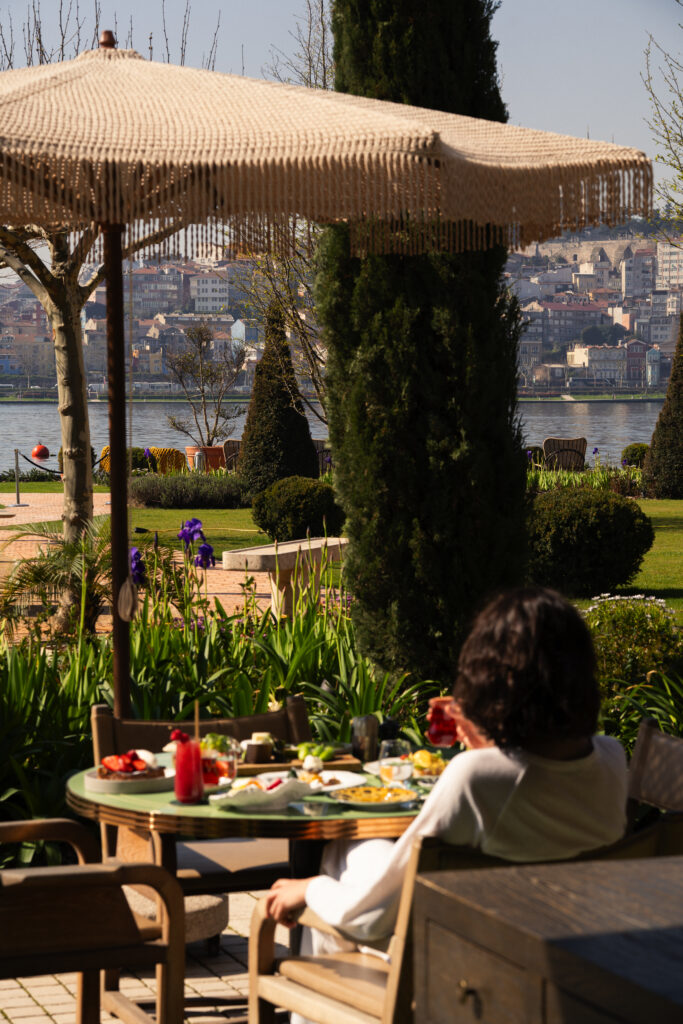
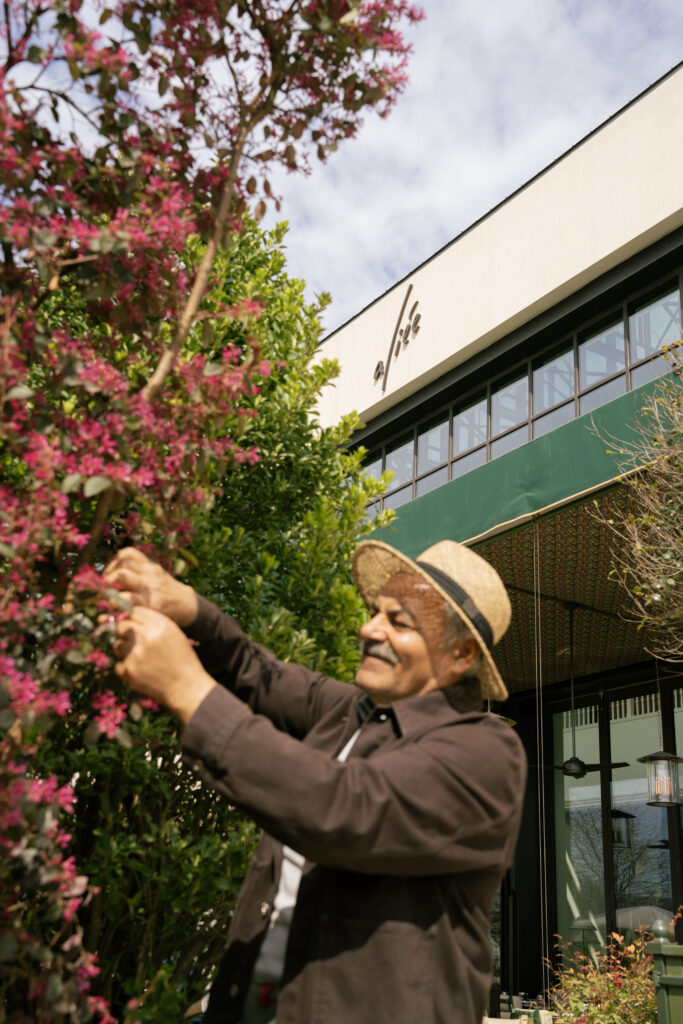
The setting plays its own role. Tersane Istanbul has long been a site of transformation, and Aliée leans into that sense of movement. Its architecture and interiors balance restraint with texture, contemporary lines softened by references to the city’s layered history.
Across 100 keys, from chambers to suites, the rooms are designed less for display and more for pause. Light, silence, and materiality are treated with equal weight. Mornings unfold slowly, shaped by small, considered rituals rather than routine.
Spring blooms
Aliée Istanbul also looks at how hospitality can extend into culture without feeling forced. This spring, that idea takes form through a series of site-specific art interventions that turn the property into a shifting route of ideas. Running through October, the program moves across Hasbahçe and other areas, bringing together international artists in conversation with landscape and architecture.
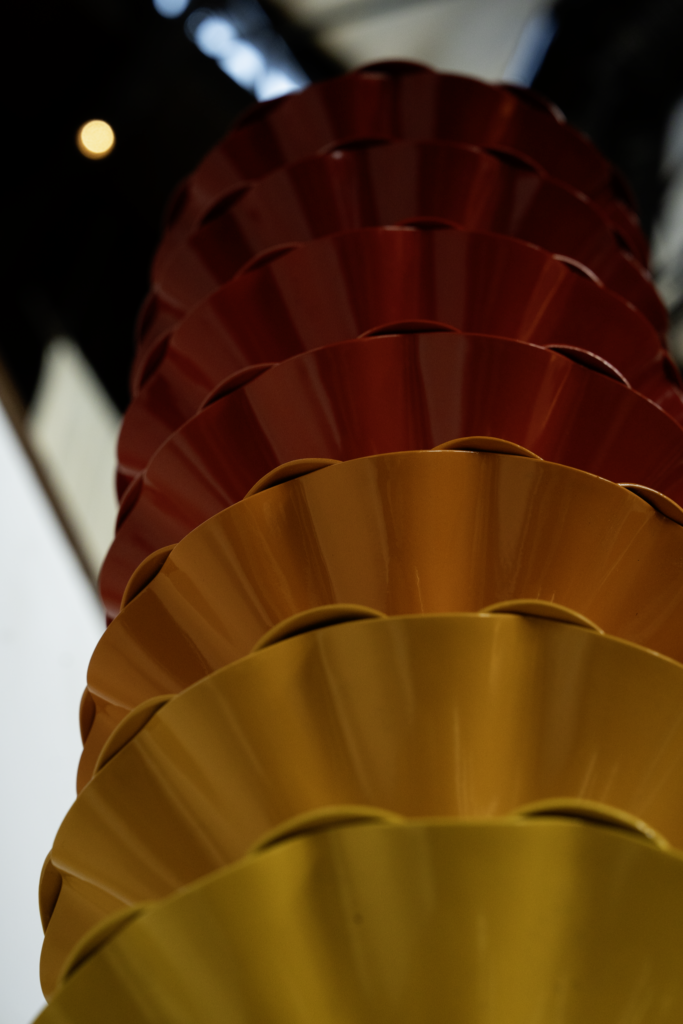
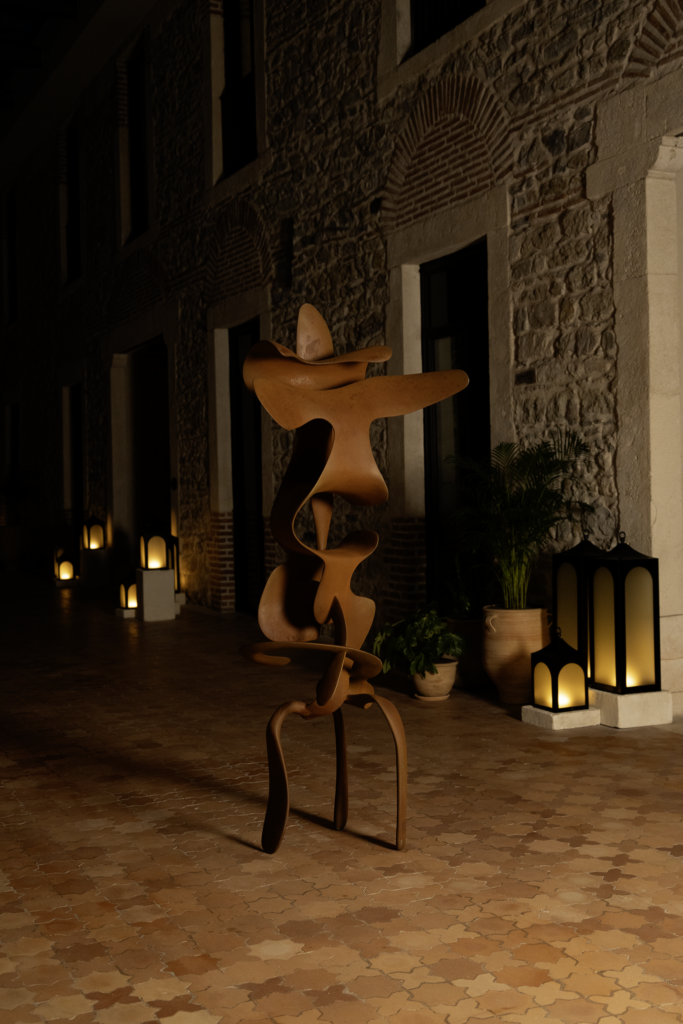
Swiss artist Giulio Cabbana introduces a land art intervention that anchors Hasbahçe in its terrain. British sculptor Tony Cragg contributes works that shift with light and perspective, while German artist Gregor Hildebrandt presents layered installations that explore memory and repetition. Ghada Amer brings a different rhythm to the space, while Papier Atelier’s folded paper animals appear around Little House like small, unexpected interruptions.
On the façade of Mondaine de Pariso Istanbul, Mantra’s mural intervention arrives in May, leaving behind a visual trace rather than a permanent mark.
The dining experience
The same approach carries into dining. At Aliée, meals move across different moods rather than fixed formats. Michelin-starred tasting menus sit alongside garden brunches that unfold without hurry. Evenings shift between the more intimate energy of Pink Bar and the theatrical setting of Mondaine de Pariso, where dining leans into atmosphere as much as cuisine. The result is a culinary landscape built for exploration rather than structure.
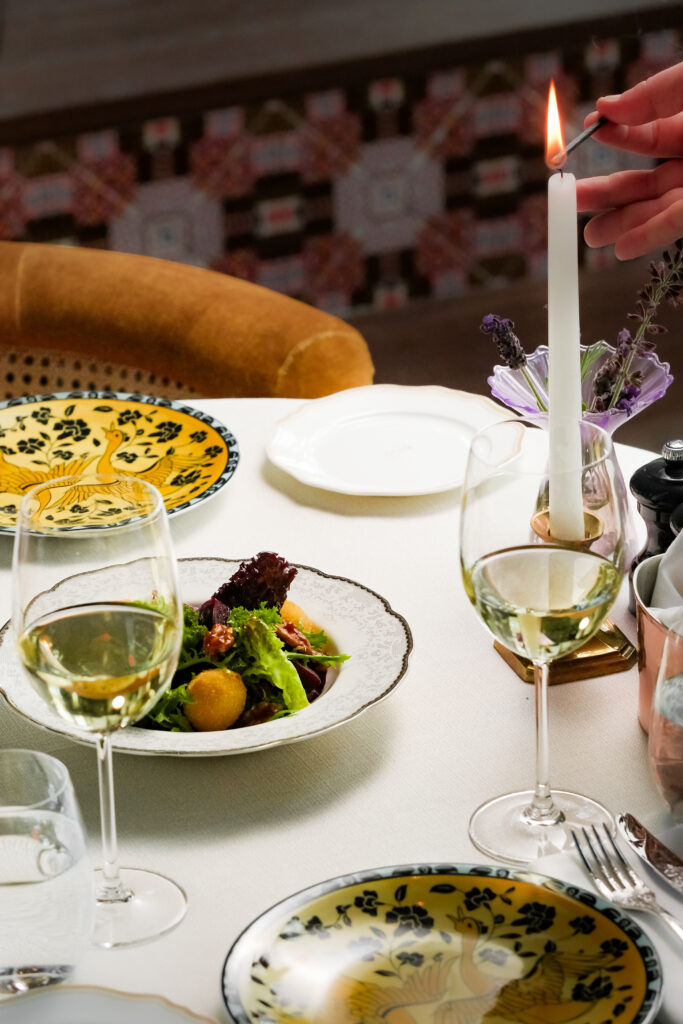
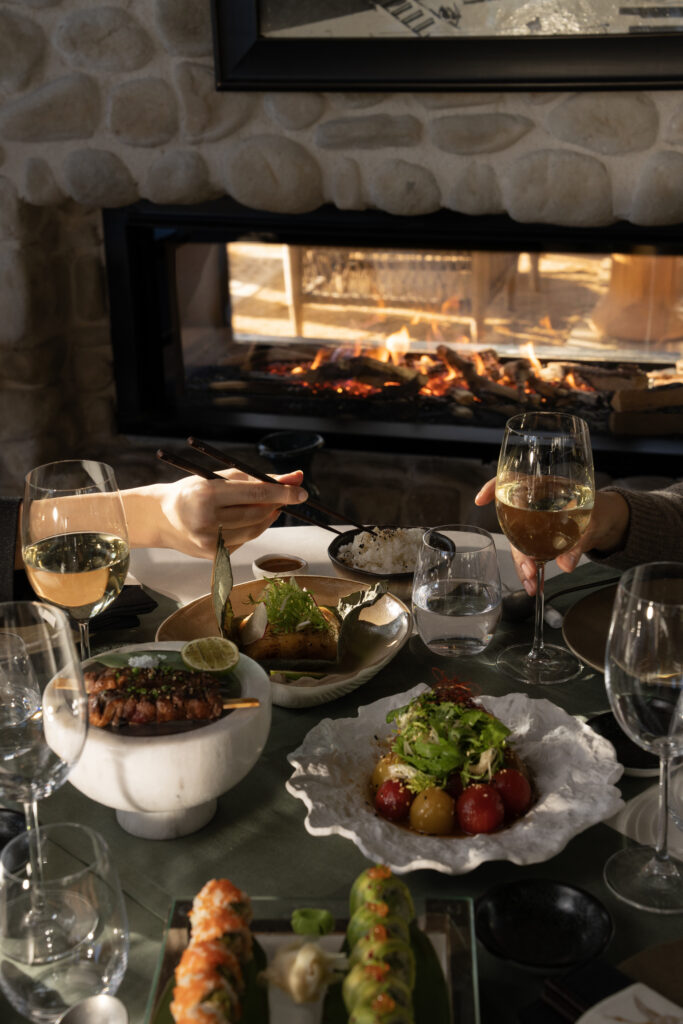
What ties everything together is the attention to detail. Aliée does not position itself as a break from traditional luxury. It is a place where hospitality feels open and shaped by the people who move through it.