
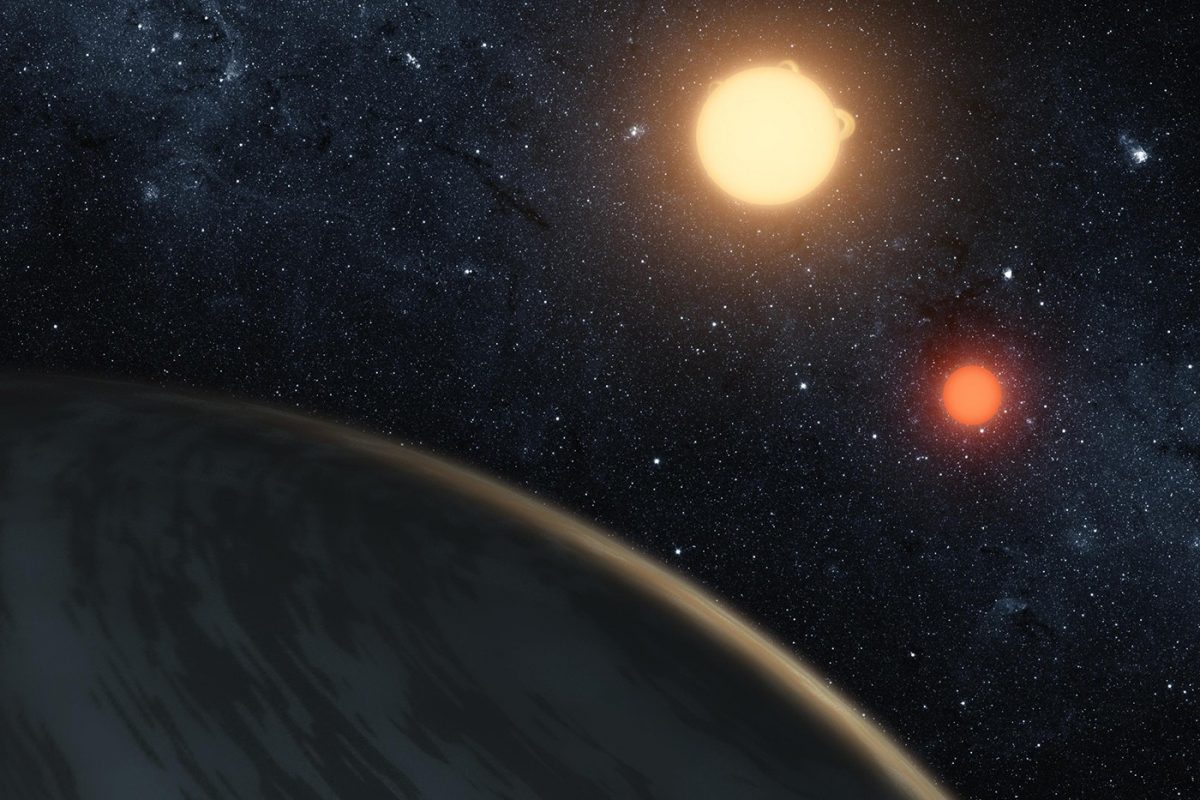
A total of 50 new planets have been spotted by NASA, using an artificially intelligent machine.
The robot astrologer was developed at the University of Warwick. It used old NASA data to identify the planets via the appearance of light.
Finding new planets is not easy. Essentially, it involves space scientists looking for breaks in light (essentially, flashes) of a planet’s surface. But keeping an eye on all of space isn’t exactly productive.
However, NASA’s robot astronomer makes it far easier, as it uses AI to monitor light sources before flagging any potential planets to specialists. And it is now far better at figuring out what is a planet, and what is an error.
The data used was from old Kepler Space Telescope data. The fact that this data was retrospective means if deemed successful, there is more than half a decade’s worth of data for the AI scientist to look through.
According to David Armstrong, the man behind the experiment, this is an entirely new use of the technology. “no one has used a machine learning technique before. Machine learning has been used for ranking planetary candidates but never in a probabilistic framework, which is what you need to truly validate a planet.”
He also said , “we still have to spend time training the algorithm, but once that is done it becomes much easier to apply it to future candidates.”

Esquire now has a newsletter – sign up to get it sent straight to your inbox.
Want up-to-the-minute entertainment news and features? Just hit ‘Like’ on our Esquire Facebook page and ‘Follow’ on our @esquiremiddleeast Instagram and Twitter account.