
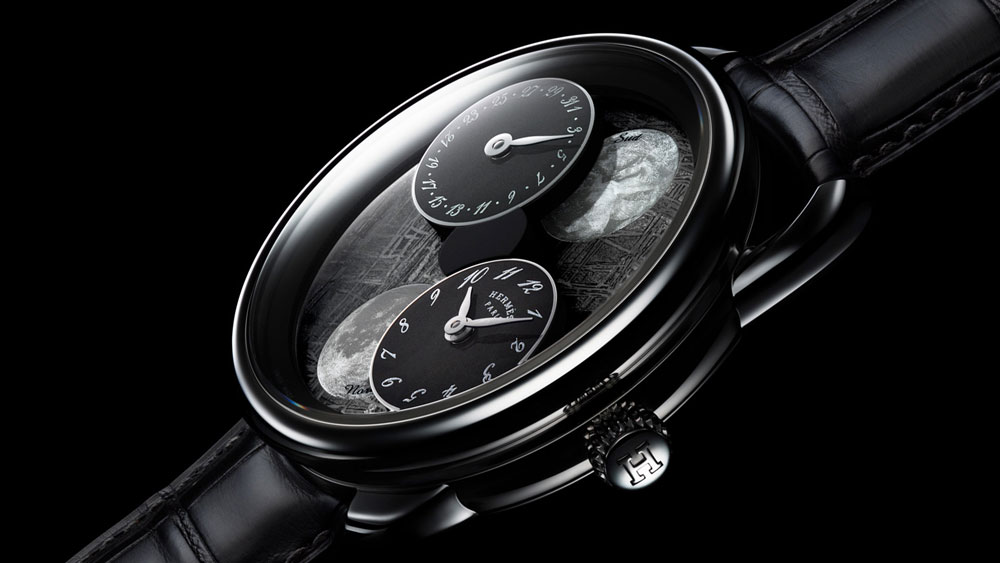
We’re taking a look at the horological history of Hermès and why it’s far more than a fashion brand.
Often overlooked by burgeoning watch enthusiasts, Hermès these days stands as a serious competitor in the watch world.
Many high-end fashion brands have muscled their way into the watch world, Versace, Gucci to name a few. In the case of both Hermès and Gucci, the watches they make are vastly overshadowed by everything else they make. An estimated 4% of Hermès’ revenues in 2018 was from watches, and Gucci not far behind with an estimated 3.2%. Where Hermès stands out from the likes of Gucci is its longer history in watch making and commitment to haute horlogerie.
1912
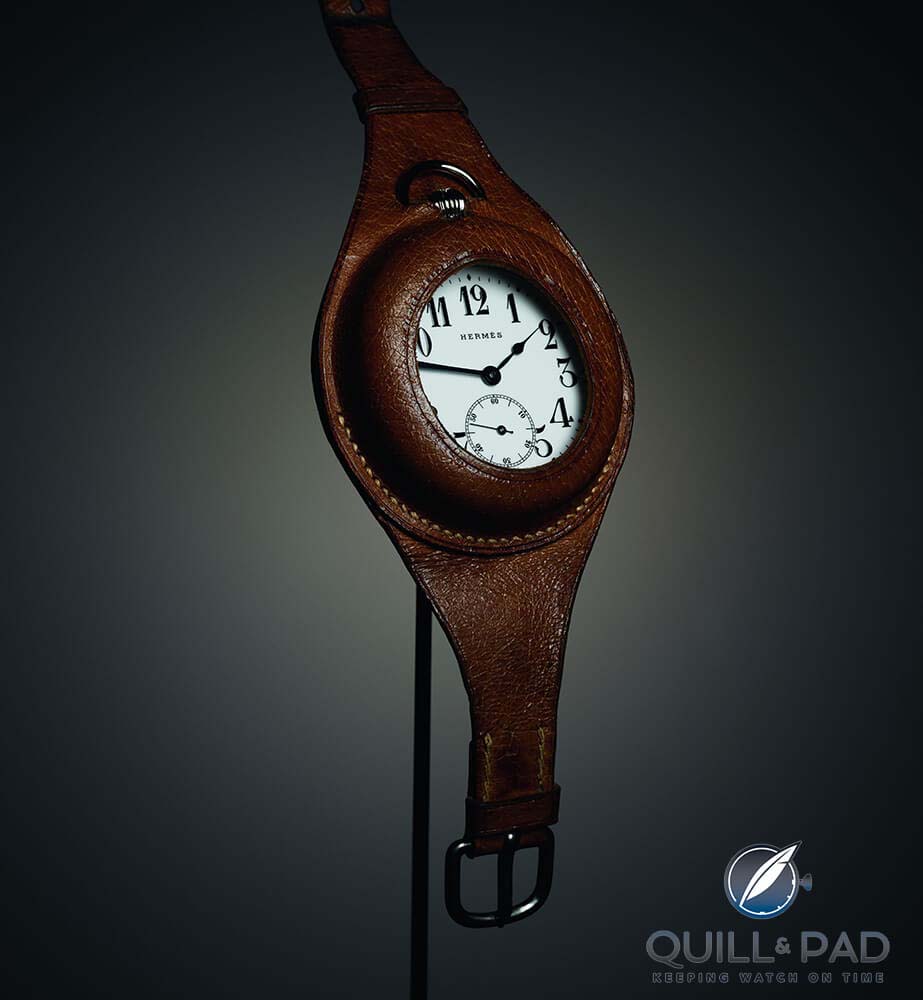
Where Gucci began watches in 1997 and Chanel in 1987, Hermès was tinkering away all the way back in 1912. One of the Hermès daughters can be seen wearing her father’s pocket watch with a special custom made Hermès watch strap.
The 1912 Hermès (Image from Quill & Pad)
1928-30s
Fast forward to 1928 and Hermès is still going with the strap and leathers game, it was the year Hermès opened a store in Paris to offer timepieces bearing the Hermès signature but housing mechanisms from an array of different Swiss brands including Movado.
The Movado x Hermès clock from the 30s

Hermès’ Parisian flagship in the 30s was a hub where well known watch brands came together to be sold. From the 30s, all the way to the early 70s, top watches would be sold by Hermès but they would also rock a little Hermès signature to make them extra collectable. It was a very similar deal to what Bucherer, Tiffany & Co, and Harrods all do to this day with exclusive collaborations on watches.
Brands like Jaeger-LeCoultre, Etrier, and Universal Geneve would be sold in this Hermès flagship andsome say this stamp of Hermès’ signature is what led to their popularity. Even Rolex got in on the action at the flagship. A particular special Rolex from the flagship once fetched more than US $519,000 at auction due to its rarity.
The 6241 Rolex Daytona from Hermès (Images from Hodinkee)


50 years after this flagship store made waves, Hermès created its very own watch division in Bienne, Switzerland called the La Montre Hermès. The division was focused on the international distribution of Hermès watches and responsible for creating the now infamous Arceau watch.
1978-2006
Between 1978 and 2006 Hermès rolled out some of its most popular watches, including the Clipper, the Cape Cod, the Medor, and the H-Hour. All these watches boasted a fairly pedestrian imported movement. It wasn’t till 2003 things heated up with the Dressage watch. This watch used a Manufacture Vaucher movement, a much higher-end and complicated movement maker.
The Dressage collection

In 2006 Hermès bought a 25% stake in Vaucher for almost US $25 million. With a majority hold of the movement maker, the brand could make sure it maintains the access to these more complex movements and thus make more complex timepieces. It also meant that Hermès could now modify movements itself, moving one step closer to boasting in-house creations.
2012-present
Hermès also bought up Natéber SA in La Chaux-de-Fonds in 2012 for dials and Joseph Erard SA in Le Noirmont in 2013 for cases. As from 2017, the case and dial entities have been brought together in Le Noirmont under the name of Les Ateliers d’Hermès Horloger. Hermès now has internal control over movements, cases and dials.
As of right now Hermès is part of the Fondation de la Haute Horlogerie, a foundation of the greatest watch brands in the world. Hermès sits alongside the likes of MB&F, Vacheron Constantin and A. Lange & Söhne in this elite club.
This year (2019) Hermès has in its horological portfolio everything from GMTs, to ultra-slims, even tourbillons.
The Hermès Tourbillon

.jpg)

.jpg)
