
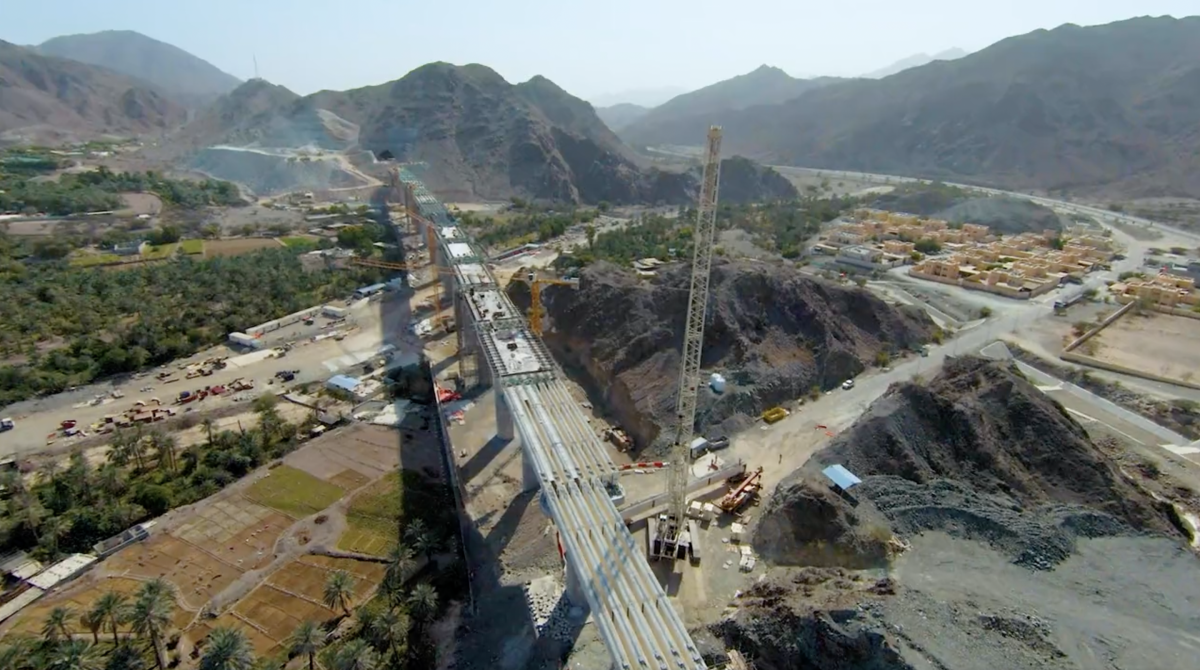

Etihad Rail is undoubtably one of the most ambitious projects currently running in the UAE, and while still under construction, it’s already creating some soon-to-be iconic spots.
Yesterday, Ethiad Rail, which will soon link every emirate of the UAE, shared a video of a new bridge that will cut through the gorgeous mountains of Fujairah, and it already has people talking.
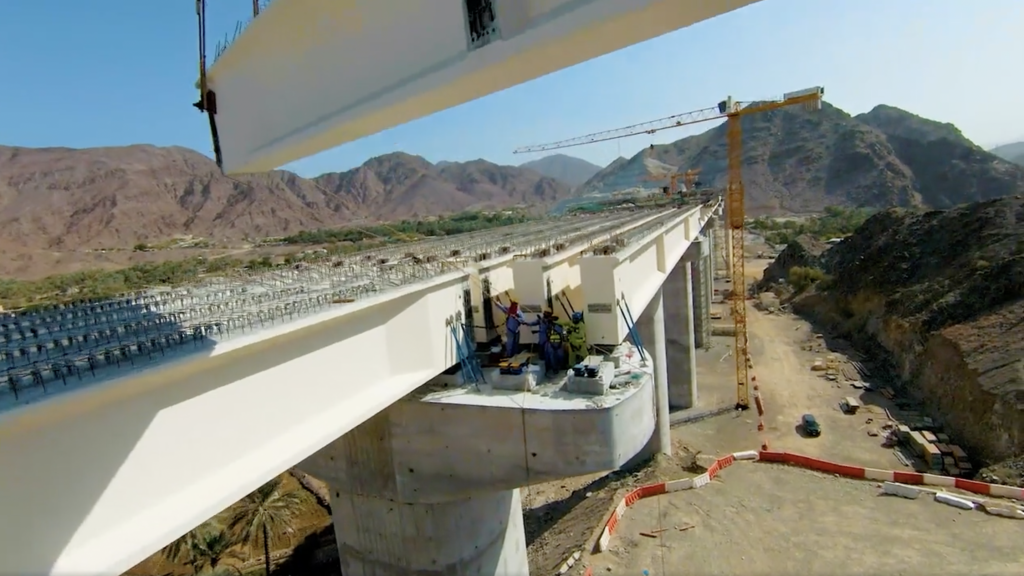
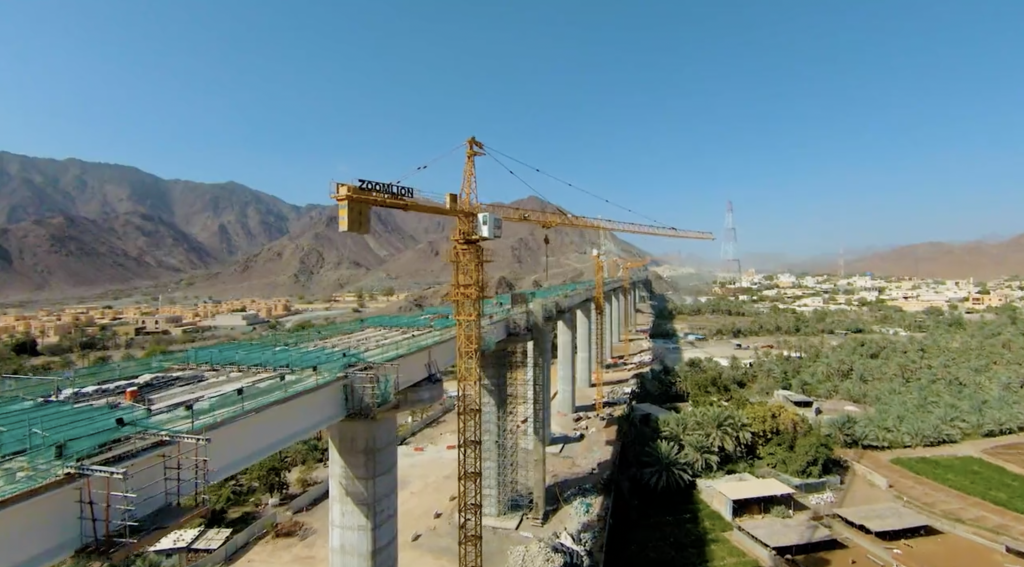
The 600m bridge in Al Bithnah has the gorgeous backdrop of the mountains in the distance while cutting over green pastures and tree lands that are sure to make it one of the most photographed locations once the rail has been opened.
Watch video of the bridge here:
There is still no specific completion or opening date for Etihad Rail, though it has an intended goal of 36.5 million passengers per year by 2030, meaning it should open years before that time.
Etihad Rail’s development
Last year, Etihad Rail started to lay down tracks at the Seih Shuaib site in Abu Dhabi, which will link the capital city to Dubai through a brand new rail network.
The tracks are expected to span 1,200 km and will connected all of the emirates for tourism and freight services, all the way to the Saudi Arabia border.
At the time, Chairman of Etihad Rail and Abu Dhabi Crown Prince’s Court, Sheikh Theyab bin Mohamed bin Zayed Al Nahyan took a 10 kilometre trip on an inspection and supervision train in order to review the projects progress.
“This strategic project will provide a safe, reliable and integrated mode of transport in the UAE, and will constitute a key component of the UAE’s integrated, world-class transport system, placing it among the world’s leading countries for quality transport and infrastructure.” Says Sheikh Theyab
“It will also support the nation’s economic growth, connecting the UAE’s main ports with industrial, manufacturing and residential centres to positively impact the wellbeing of citizens and residents.”
Currently Etihad Rail has two tracks which are around 264km long have been crucial in transporting freight such as granulated Sulphur from gasfields in Shah and Habsan to an export point in Ruwais. Two trains which consist of 110 wagons have been in operation since 2016 are able to carry up to 22,000 tonnes of Sulphur on a daily basis.
The next stage of the project will focus on connecting Saudi Arabia to Fujairah with over 600 kilometres of tracks.