

The award-winning, London based Vertigo Films (Monsters, Bronson, A Town Called Malice) is responsible for some of the edgiest, most groundbreaking films and TV shows in recent memory.
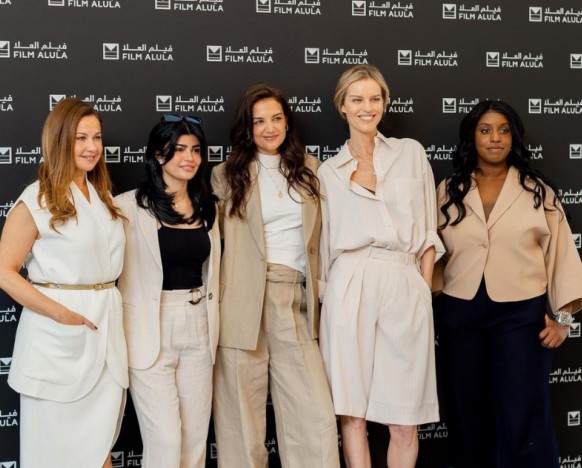
Since its launch in 2002, Vertigo has developed an insatiable appetite for discovering new talent, and they recently teamed up with Saudi based Film AlUla to form ‘AlUla Creates’ short film competition, a platform designed to showcase three Saudi women directors to the international marketplace. The lucrative competition was supported by actress Katie Holmes and Saudi filmmaker, Haifaa al-Mansour, among others.
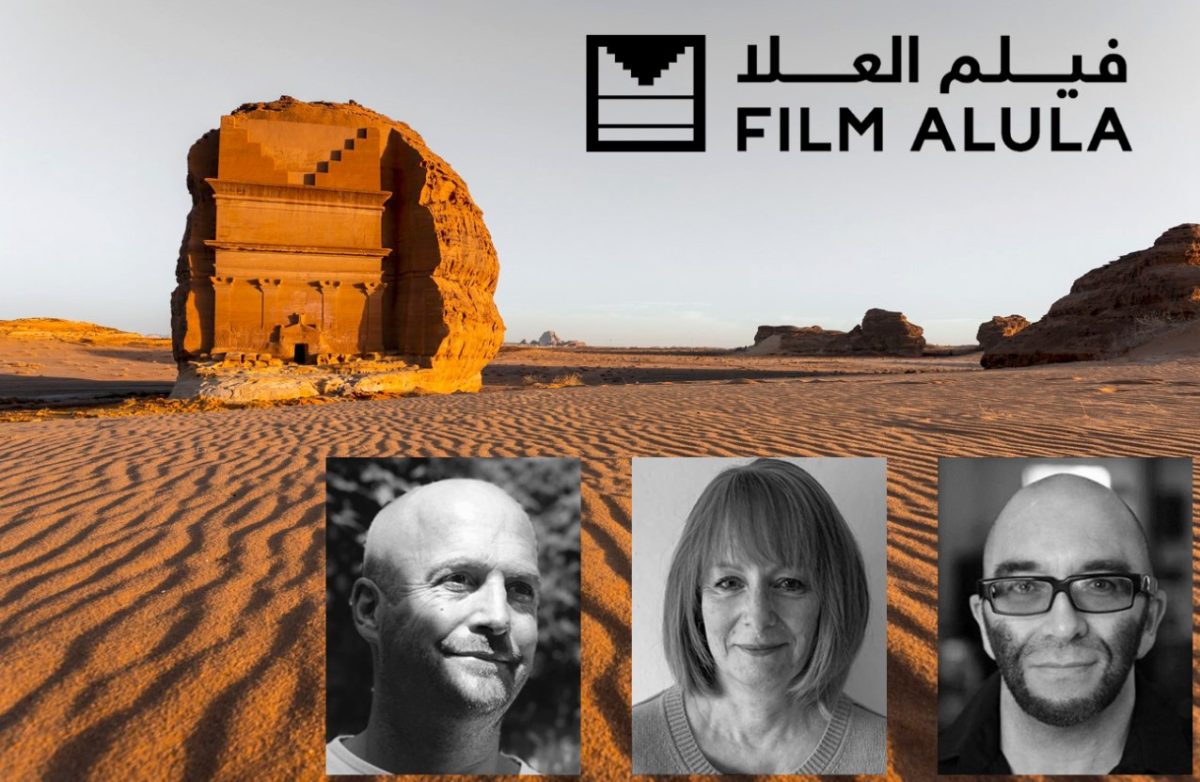
Esquire Middle East sits down for an exclusive interview with Vertigo CEO, Jane Moore, and producer and co-founder, James Richardson.
Esquire: How did you first get involved in this project?
James Richardson: Neither of us knew anything about Saudi Arabia ahead of time. When we read a bit more about AlUla, we discovered the extraordinary cultural changes taking place in the country, the growing opportunities, especially for women, and it blew our minds.
Jane Moore: Initially, I didn’t feel comfortable working with Saudi Arabia because of how its presented to us in the west, but after having our preconceptions disproved, we immediately jumped on board. Seeing the rapidly growing opportunities for women is very exciting, and building up directors is something we’re continuously doing anyway, so now we had a chance to do it in a part of the world we previously knew nothing about.
ESQ: Saudi is just recently being exposed to global cinema, so how does this effect the process for emerging filmmakers?
JR: As cinema wasn’t available until recently, the only way to watch movies were VHS tapes or DVDs, and even that was a rarity. A girl on the course said the only VHS tape she had growing up was Mary Poppins, which her and her sister watched a billion times, resulting in her obsession with musicals. I imagine this rings true for many directors in the region, because they’ve only had one or two films growing up, and now that they’re being exposed to more movies, they’re learning so much more about what can be done, but their love remains for what they grew up with.
ESQ: Many people are saying Saudi is experiencing its Hollywood in the 1920s moment – is that true?
JM: Absolutely. Because they haven’t been exposed to much, their influences are limited, but their hunger is unlike anything I’ve ever seen.
James: For this project we also brought on a filmmaker who I love, Haifaa al-Mansour, who wrote and directed Wadjda, the first feature film to be entirely shot in Saudi Arabia, only ten years ago. Having her there was so important to validate the lived experiences of all the students, but to also be living proof of what can be done.
Jane: The royal family has also realised they have to diversify as they can’t rely on oil forever, so they are putting so many resources into developing film and media, while encouraging foreigners to come to their country to partake and create.
Esquire: How did you decide on the three final films that won the competition?
James: We had 100 applicants and had to choose 3, which was really hard because they were all so genuinely talented, but when we got down to the short list, every single one of us landed on the same 3.
Jane: There was no creative limit to what people were sending to us, which was great, but also made it harder to choose. Ultimately, considering our collective decisions, we’ve landed on some very exciting talent.
James: And AlUla is an ancient, historic city that goes back thousands of years, and all these historical artifacts of the country are so incredibly cinematic with loads of stories attached. Now there’s this cultural hub that is encouraging its people to be creative and to share their stories with the world, which is what filmmaking is all about.
Esquire: Will you do any future competitions like this in the Middle East?
James: It’s the first time we’ve ever done this, but Jane and I both fell in love with the country, and we’re definitely witnessing the genesis of something special. We don’t know what it is exactly, but we want to be apart of it.
Vertigo films can be found here, and more information about the competition can be found here.
