
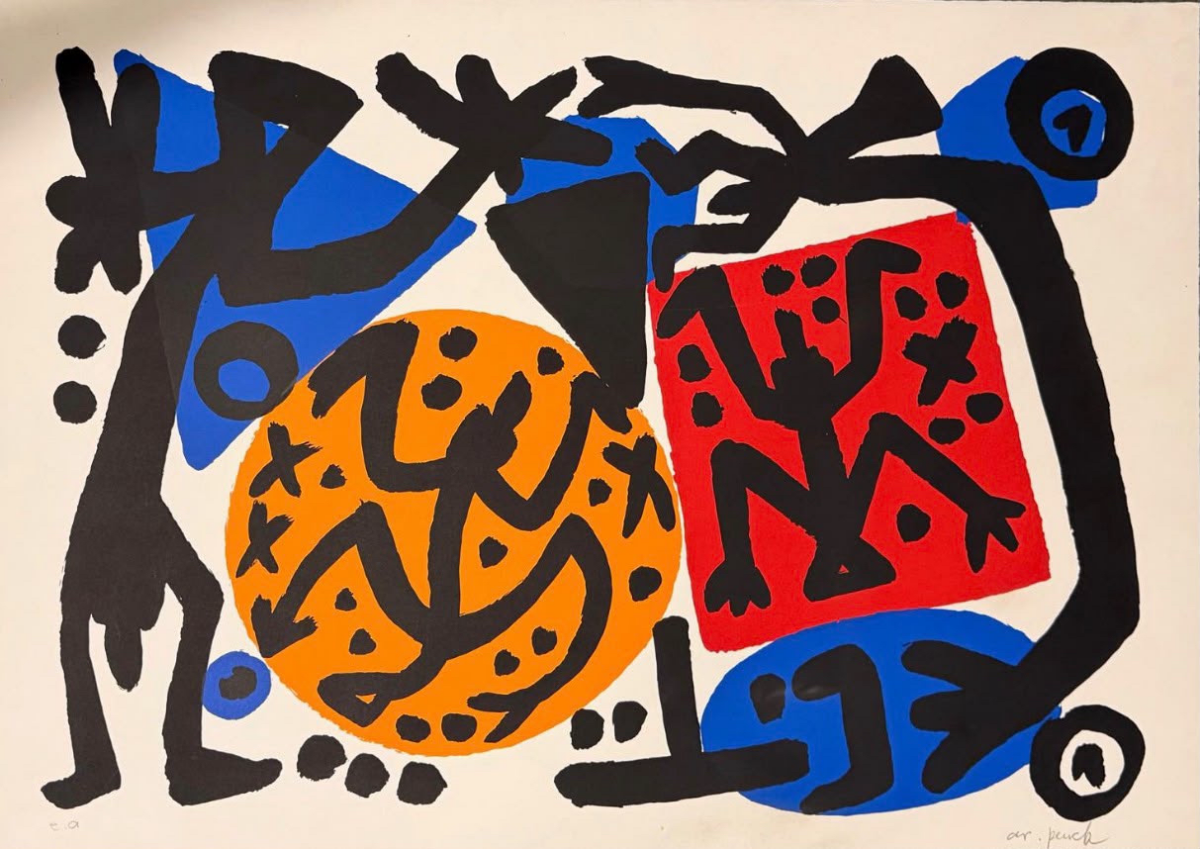

Building an art collection is rarely about finding a single work and deciding that it belongs on a wall. Kalim Bechara, founder of Kalim Bechara Art Gallery, has built his collection around a close eye for talent, cultural context and the personal connection that a work can create.
The first consideration is the artist behind the work. Technical ability matters, but so does what sits behind the work. The story, cultural context and the artist’s ability to communicate something through their work can all influence the decision to collect. There is also the personal response to a work, which cannot always be explained through research or market data. Sometimes, the connection is simply there.
The same judgment comes into play when he considers an artist. Raw talent and a distinctive artistic voice are among the qualities that catch his attention, alongside a strong cultural or social narrative. An artist does not necessarily need an established name or a long market history to make an impression. There can be value in recognising something early and watching it develop.
That ability to recognise potential is also reflected in Bechara’s own collection. According to Bechara, by the age of 30, he had built a personal collection featuring works by Arab and international artists, a breadth of collecting that would typically take decades to develop. Building a collection does not follow one fixed formula. Established artists can sit alongside emerging names, while discovery can carry as much interest as recognition. Diversification also has its place, particularly when a collector is thinking about how the collection develops as a whole.
The approach may become more deliberate when art is being considered as an investment. Bechara compares this to building a stock portfolio, where developing a variety of artists and balancing emerging and established names can create a more considered mix. There is an important distinction, though. The investment mindset should not be confused with collecting simply because you love art.
His approach to collecting also informs his interest in Arab art. Cultural identity and heritage are important considerations, as are historical significance and the growing global recognition of artists from the region. Arab art carries a wide range of histories and experiences, giving collectors an opportunity to engage with work that is rooted in the region while being increasingly recognised beyond it.
Museums and institutions add another dimension. His museum and institutional collaborations also form part of a wider interest in the development and recognition of Arab art.
The way audiences encounter that art is changing too. Social media has become an important channel for the gallery, helping broaden its visibility while giving audiences another way to discover Arab art and artists. Through educational videos about Arab art and art more broadly, Bechara has used the platform to introduce audiences to artists, ideas and the context behind the work.
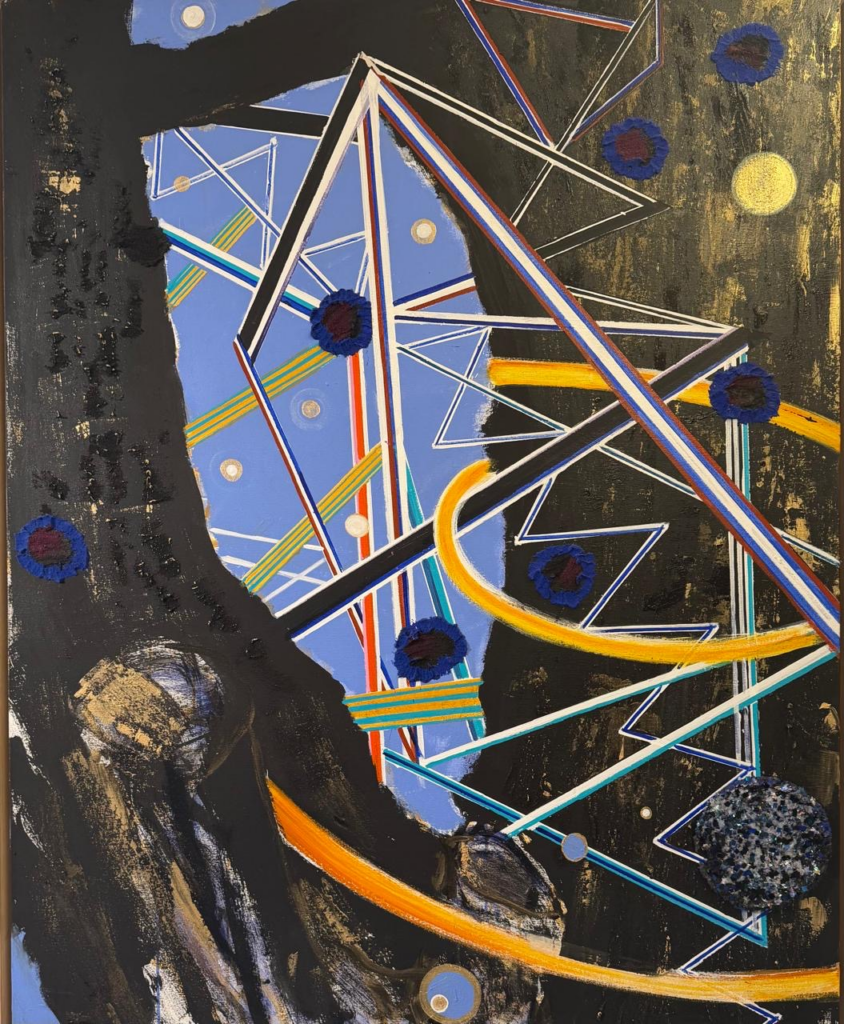
That emphasis on understanding also informs his advice to new collectors. Buy what you genuinely love, but take the time to develop your eye. Research the artist rather than only the artwork, understand the cultural and historical context, and look at both emerging and established artists. Thinking beyond immediate market value can also lead to more considered choices.
There may never be a single formula for building a collection. Market knowledge has its place, but so do curiosity, personal taste and instinct. Over time, those choices become the collection itself, revealing not only the artists a collector believes in, but also what they value enough to live with.
The information provided in this article is for general informational and educational purposes only. It is not intended as financial advice. Readers should not rely solely on the content of this article and are encouraged to seek professional advice tailored to their specific circumstances. We disclaim any liability for any loss or damage arising directly or indirectly from the use of, or reliance on, the information presented.