

Back in 1825, the French epicure and gastronome Jean Anthelme Brillat-Savarin published The Physiology of Taste, a foundational text on the philosophy of food. It contained the now-famous aphorism, “tell me what you eat and I will tell you who you are.” It isn’t just that the French take their food seriously, our relationship with the kitchen clearly demonstrates how we manage our wider lives.
The process of cooking itself prepares the mind and the body to absorb nutrients – and the enjoyment that goes with food and meals. And when not cooking, through food we discover local habits and social norms.
During my extensive travels, I always try to educate myself about local habits before I enter a private home for dinner. Something as simple as placing a hand on or under a table can be interpreted the wrong way, causing discomfort to the host.
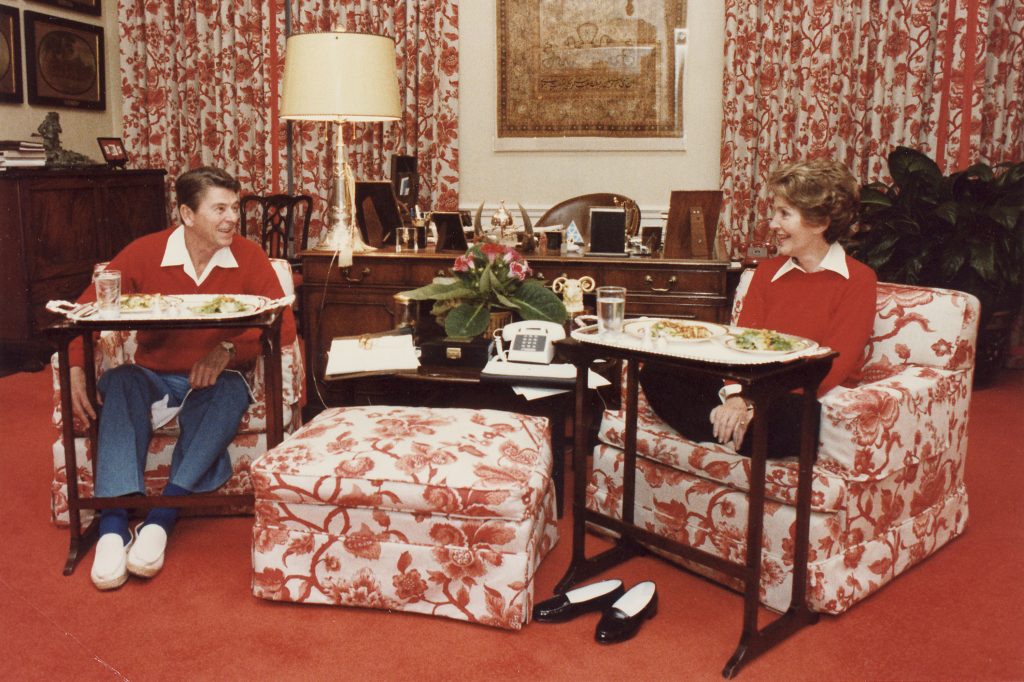
Beyond what food says about us as people – and us as societies – how we prepare and consume food in the house are further indicators of culture. The kitchen, and its contents, constantly evolves reflecting the society we live in. From outdoor ovens to indoor ones, from communal tables to TV trays, we are not only what we eat but how we eat.

The aesthetics of the food world have also changed what we think of when we think of a chef. The Marco Pierre Whites and Anthony Bourdains of the world overturned the establishment with their bold language and punk rock looks, with their tattoos and their refusal to kowtow to tradition. Reinterpretation has been the order of the day.
So, food tells us who we are as individuals, as a society, who we follow on TV and social media – and naturally it dictates design choices in the home. The focus on elevated living in our households, that went into high gear during the global lockdowns that changed our perceptions of what our homes could be, continues.
The crockery industry is changing, for example. The global tableware market is estimated to nearly double in the coming 10 years, going from 44.5 billion dollars in 2022 to a whopping 76.8 billion dollars by 2032 – which is roughly the GDP of the Dominican Republic. Of this market, the ceramic tableware segment will represent more than 30%. And for good reason – ceramic is warm, durable, affordable, sustainable and can even be made at home too. Other popular dinnerware comes in the shape of stoneware, vitrified glass, porcelain, earthenware, bone china and melamine.

But the main trend indicates the (temporary) end of plates in favour to bowl dining. That’s right, you heard it here first. Plates are out. Recently, British household retailer Habitat indicated that there’s a trend towards carrying home cooked meals in bowls. The barriers of formal dining are falling and a more relaxed approach to tablescaping is emerging, including the unfortunately named ‘al desko’ dining, where you hold your food just over your keyboard.
For 2023, happy positivity is the overriding theme when it comes to hospitality and tableware. So, embrace displaying colours on your table, on your desk or on the go. If you host dinners at home this year, bring in warm shades alongside lavender ones and soothing and natural hues.

Despite the rise of bowl culture, the sale of good old dinner sets remains strong around the world, although they have been challenged by a millennial trend towards a muddle of mismatched plates, cups and bowls collected from local charity shop, flea markets and grandma’s house. One final trend to note for this year is the rise of asymmetrical crockery.
If that all feels a bit confusing, like things have gone pear-shaped, remember that regardless of what you eat, where you eat and what shape your plate is, the Italians have a saying: “at a table with good friends and family, you do not become old.” Comforting words when you stare at your piling of asymmetrical mismatched bowls that need washing up.
Cyril Zammit is a design consultant and design expert based in Dubai. Follow him @cyrilzam and on cyrilzammit.com