

Working in investment management can be all-consuming. A career in the industry can feel like you’re living in a parallel universe where only two things matter: markets and your clients’ portfolios. It’s a world where even your sense of humor is measured by your ability to joke about stocks and bonds – which I’ll spare you my attempts at.
It’s no wonder then that, seeking adventure and excitement outside of that environment, I turned to both kitesurfing and surfing as a gateway to disconnect and recharge. Both activities offer the perfect blend of adrenaline-pumping thrills and a connection with nature, providing a much-needed break from the intensity of the markets.
While these activities look cool from the outside – and on your Instagram feed – the focus is very often on their physicality. What I discovered is that they also offer surprising psychological benefits.
What happened when I started surfing? Three main benefits.
Focus
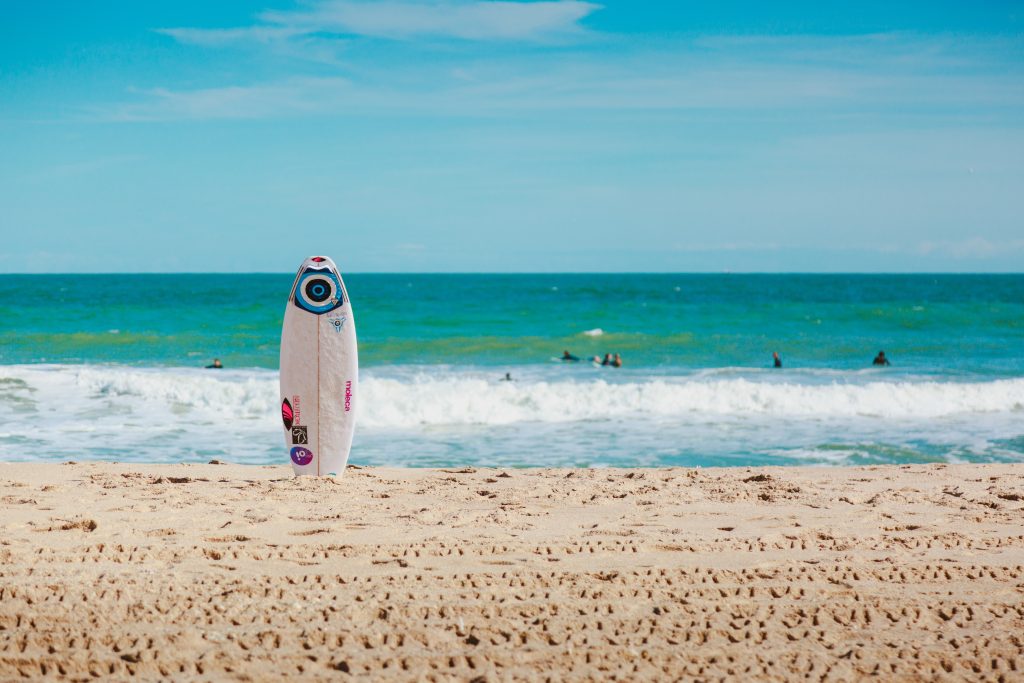
In the 1980s, the Japanese embraced the concept of ‘forest bathing’ as a form of ecotherapy, providing the science to support what we innately know: time spent immersed in nature is good for us. Surfing is the aquatic equivalent of this – we are applying ourselves physically within the ocean. Being surrounded by water helped me tap into the psychological power of “awe”, creating a calming sensation. It’s no coincidence that 9 of the top 10 most popular soundscapes on the Calm meditation app last year involved water, which I now listen to even when away from it to relax.
Resilience
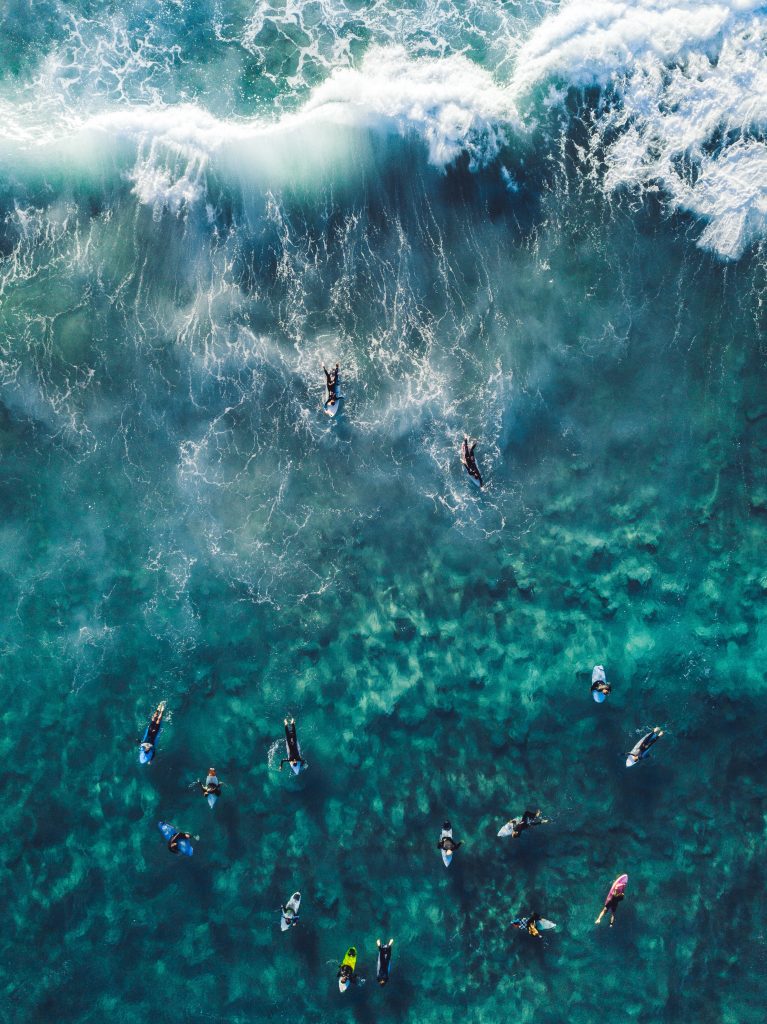
Surfers and kitesurfers must be able to withstand the physical demands of the sport—paddling against strong currents or wiping out in a big wave. But beyond physical challenges, these sports also demand mental resilience. The ocean is unpredictable, conditions can change quickly. You have to be able to adapt to unexpected challenges. Both watersports teach us that even when we encounter obstacles, we can continue to move forward by staying present, remaining focused, and adjusting our approach as needed. By developing these qualities, I became not just a better athlete, but better equipped to navigate the challenges of life.
What other lessons could these watersports hold for others?
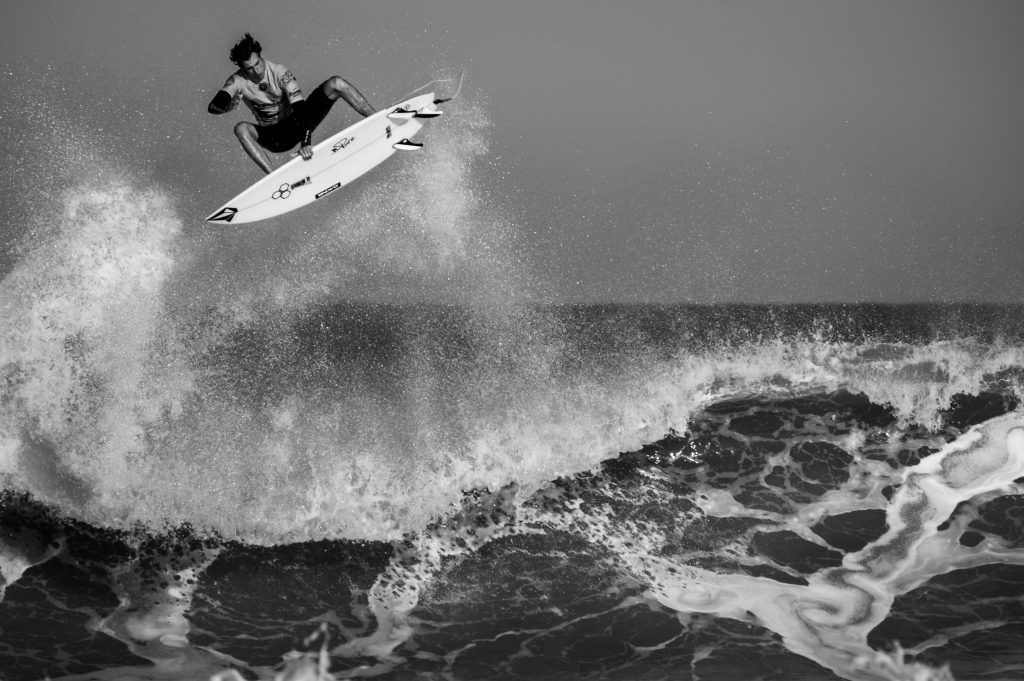
At the core of it, surfing and kitesurfing are not just sports: they are a way of life. They teach us valuable life lessons. The ability to adapt to changing circumstances is crucial for success. My favorite analogy is one I often use in business: expertise in a field is built over time and the need to be ‘swimming’ in that environment to catch the right ‘wave’ is critical. You simply cannot do that as a spectator from the shore.
Additionally, surfing can also be a powerful tool for healing trauma. The meditative quality of being in the water, the physical exertion required, and the connection with nature all contribute to reducing stress and anxiety. The sense of accomplishment and empowerment can help rebuild self-esteem in individuals who have experienced trauma. So much so, that the Naval Medical Center San Diego (NMCSD) is among a number of institutions researching the possibility of using this new form of therapy to treat Post Traumatic Stress Disorder, anxiety, and stress.
And, even though it might seem obvious, you make friends. The community of surfers and kitesurfers is incredible. I’ve made lifelong friendships that continue to be my adventure partners across the globe when we go riding together.
So, how do you apply this to daily life? Well, just like regular exercise, we can all try to incorporate more of it. The benefit of surfing vs. kitesurfing is that it’s a very accessible sport: all you need is open water and a surfboard. No fancy equipment or specific conditions. It’s also a great excuse to create and encourage each other through a community, the same way you go hit the gym with a buddy to help you stay accountable and reach your goals.
So next time you’re looking out at the water and see someone surfing, why not give it a shot yourself. It’s never too late to start.