
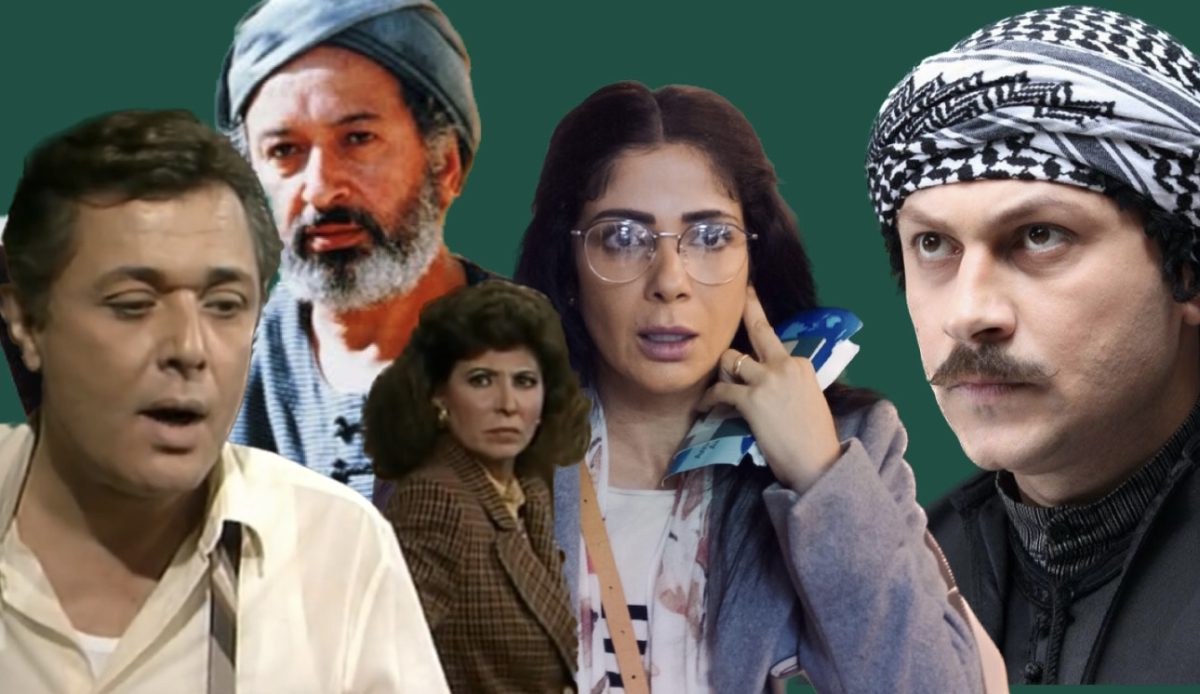

In modern Arab life there is perhaps no tradition more unbreakable than the post Iftar family time spent in front of the television, watching the latest crop of Ramadan series.
There is nothing internationally really that compares to it–it’s like Super Bowl that happens for 30 nights, an enduring tradition during this holy month in which a whole host of series of every genre air night after night to unite conversation and create generational stars again and again, year after year.
These programs, known as “mosalsalat,” offer entertainment and often convey moral lessons, and everything in between.
With Ramadan about to begin, we’ve taken a look back at a staggering 45 of the most popular Ramadan series of all time, hailing from Egypt, Saudi Arabia, Kuwait, and other nations across the region.
Ramadan Kareem, everyone!
The most popular Ramadan series in history
Bab Al-Hara (Syria, 2006 – present)

One of the most popular Ramadan series in the history of the Arab world watched by tens of millions, Bab Al-Hara is a Syrian drama set in the 1930s and 1940s. The show focuses on the lives of the residents in a Damascus neighborhood, touching on love, family, and patriotism. While it continues to this day, it is past its peak, at which time it was synonymous with what a Ramadan series even is.
Raafat Al Haggan (Egypt, 1988-1990)
Matches the character intrigue of Succession and Game of Thrones in terms of pure character drama with a Ramadan-series flair all its own, the true story of an Egyptian man who spent 17 years doing clandestine ops in Palestine was insanely popular during its initial run and beyond, written by acclaimed Egyptian novelist Saleh Morsi and starring Mahmoud Abdel Aziz.
Fawazeer (Egypt, 1960-present)
Fawazeer is a classic Egyptian television program that airs during Ramadan and features a series of riddles, puzzles, and quizzes. The show has become a cultural phenomenon and is often associated with the holiday season.
Newton’s Cradle (Egypt, 2021)
Mona Zaki’s super-sized Ramadan hit from 2021 was the most watched Egyptian show of the year and became a global hit thanks to Netflix, with many declaring it the best Arab series in years.
Omar (Saudi Arabia, 2012)
Directed by Syrian legend Hatem Ali and king of the Ramadan series, this MBC1 drama co-produced with Qatar TV historical drama series portrays the life of Omar Ibn Al-Khattab, a close companion of the Prophet Muhammad and the second Caliph of Islam. With its high production values and accurate depiction of events, Omar has been widely praised.
Da’ab Al Jabal (Egypt, 1993)
Badri is a conservative farmer in search of his little sister, who has gone missing (or escaped!) from the family home as the police chase after him. On the way, he rethinks everything, from his own life to Egyptian society. Featuring an iconic theme song from Ali Al Hajjar, this is one that has stayed in hearts and minds for decades, synonymous with Ramadan series.
Grand Hotel (Egypt, 2016)
Based on the Spanish series Gran Hotel, this Egyptian adaptation is set in the 1950s and follows the story of a young man investigating his sister’s disappearance at a luxurious hotel in Aswan.
Tash Ma Tash (Saudi Arabia, 1992-2011)
A long-running Saudi Arabian comedy series, Tash Ma Tash humorously addresses social issues and taboos in Saudi society, often sparking debate and discussion.
Al Ekhteyar [The Choice] (Egypt, 2020 – 2022)
With three seasons down, this Ramadan series has been extremely well-received year after year across the Arab world, which is saying something considering the hype that its predecessor, 2020’s The Choice, had left. The Choice 2 and 3 were arguably even better, with both Karim Abdulaziz and Ahmed Mekky both lighting up the screen.
Zeinab Wal Arsh (Egypt, 1980)
Set at a struggling Cairo newspaper, this story full of love and lies, as well as a dose of political intrigue, starred Mahmoud Morsi and Soheir Ramzi.
Al-Gama’a (Egypt, 2010)
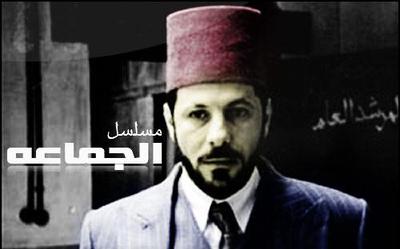
Al-Gama’a is a historical drama series focusing on the rise of the Muslim Brotherhood in Egypt, detailing the organization’s development, internal struggles, and impact on Egyptian society, which became one of the most talked about, and sometimes controversial, series in Ramadan history.
Nihayat Rajul Shujaa (Syria, 1994)
The End of a Brave Man in English, the series was adapted from the popular book into a 1994 Syrian television miniseries of the same name, directed by Najdat Anzour and starred Ayman Zeidan as Mufid. The series was incredibly well-received, earning praise for its tight plotting in addition to its portrayal of a noble and valiant Syrian resistance to French colonialism. Due to its high production values, particularly its cinematography and musical score, it was considered a breakthrough in the quality of Syrian dramas. The series has been reaired on Arab satellite television again and again.
Al Hajjaj (Jordan, 2003)
Another historical dramatic hit, this one follows the ruthless and yet historically significant figure Al-Hajjaj Ibn Yusuf (Abed Fahed), himself a governor of the Hejaz region in the seventh century, an area that now includes parts of Saudi Arabia and Iraq, who helped shape the economy and landscape for centuries to come.
Al-Malek Farouq (Egypt, 2007 – )
Al-Malek Farouq is an Egyptian drama series that tells the story of Farouq, the last king of Egypt, and his struggle to maintain his throne amidst political turmoil and social change. The show touches on power, loyalty, and national identity and was hugely influential in its style and substance since its initial Ramadan debut.
Saqr Quraish (Syria, 2002)
Made by beloved Syrian filmmaker Hatem Ali, this series set in the Umayyad dynasty traced the group’s rise and fall, with huge production values for the time, big action set pieces, and an all-star Syrian cast that included Sulaf Fawakherji, Khaled Taja, Bassem Yakhour, Jamal Sulaiman and Taim Hassan.
Al-Assouf (Saudi Arabia, 2018 – Present)
Set in Riyadh during the 1970s and beyond, Al-Assouf explores the lives of a Saudi family as they navigate the cultural, social, and political changes brought about by the oil boom, with each decade bringing new sets of intrigue to the show as the years have gone on.
Zezenia (Egypt, 2000)
A drama series that dives into the lives of residents in the Zezenia neighborhood in Alexandria, highlighting the strong relationships and personal struggles that arise amidst socio-economic challenges, and was the talk of the Arab world when it aired during Ramadan in 2000.
“Shedding light on the lives of foreigners, whether Italians, Greeks, or others, in Alexandria in the 1940s, through the story of Bishr Amer Abdel Zaher, an Egyptian man who has an Italian mother, as he is torn between his Egyptian roots and the attempt of his mother and uncle to attract him to the Italian side,” according to El Cinema.
Al-Hayba (Syria, 2017 – 2020)
Developed by Syrian filmmaker Samer Al Barkawi, this action-packed crime drama series revolves around the life of a crime boss in a Lebanese village near the Syrian border and his family’s feud with the Saeed family, with new characters, and new enemies, entering the fray over the five season series.
Bent Esmaha Zaat (Egypt, 2013)
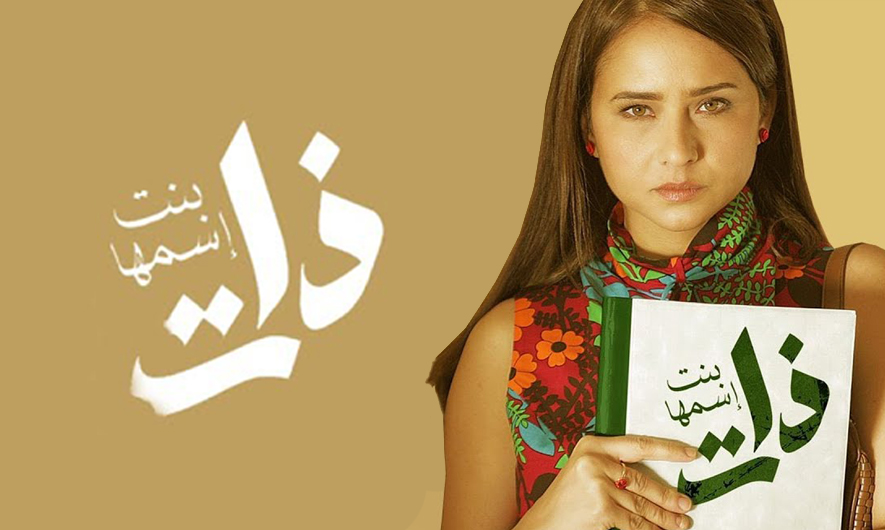
Ramadan TV series are all about stars, stars, stars—did we mention stars?—and Nelly Karim’s star making moment came with her 2013 series A Girl Named Zat, based on Sonallah Ibrahim’s celebrated novel. The series explores the social and political winds of change in Egypt starting from 1952 when Zat was born, all the way up to the present day.
Watch the full series here.
Omar Ibn Abdel Aziz (Egypt, 1994)
Another Omar series, this follows influential Omar II leader of the Umayyad Caliphate (717 to 720 CE) during his brief but important reign, starring Nour El Sherif. El Sherif’s performance is now legendary, and it served both as a hugely educational—and hugely entertaining—piece of Arabic TV history.
Dahsha (Egypt, 2011)
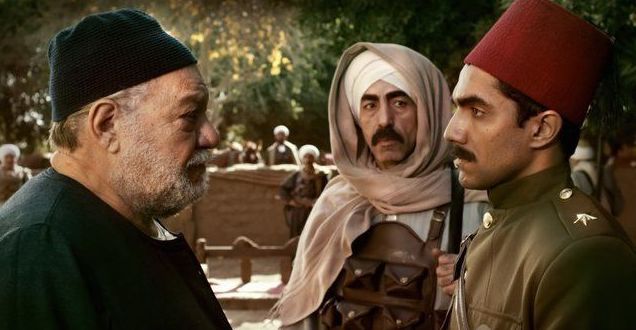
Dahsha is an iconic Ramadan Egyptian drama series that follows the life of a wealthy man (Yahya Fakharani) and his three daughters as the father decides to distribute his fortune among his offspring. Things become a bit complicated when it is revealed that he committed a grave mistake. As a result, the daughters begin to reject their father, each of them going after his inheritance.
Al Fousoul Al Arba’a (1999 – 2002, Syria)
With one part airing in 1999 and another in 2002, this classic Syrian series also by beloved filmmaker Hatem Ali follows a number of families in Damascus and the cultural barriers that separate them, portraying life in Syria as it was lived.
Haret Al-Yahood (Syria, 2003)
Haret Al-Yahoud, which translates to “Jewish Quarter,” is a Syrian drama set in Damascus during the early 20th century. The series follows the lives of Jews living in the city and their relationships with their Muslim and Christian neighbors.
A’ilat El Hajj Metwalli (Egypt, 2001 – )
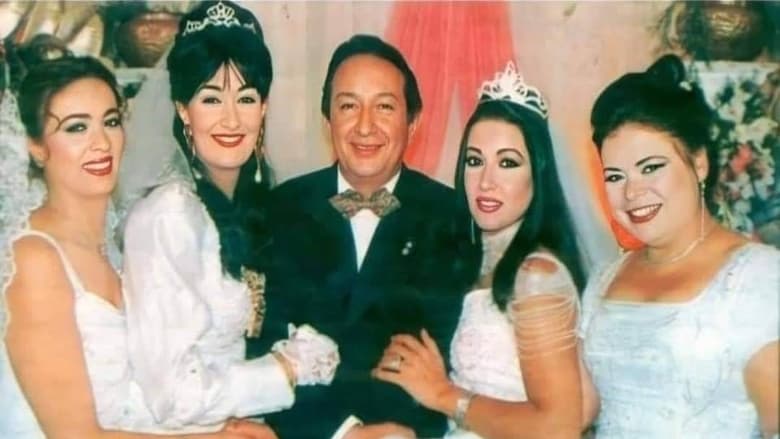
This classic Egyptian comedy follows a successful businessman played by Nour El Sherif who marries four women simultaneously—with a story that provides plenty of laughs and a surprising amount of emotional depth, also starring Magda Zaki, Fadia Abdel Ghany, Ghadah Abdulrazeq and Somaya El Khashab.
Layali Al Helmeya (Egypt, 1987)
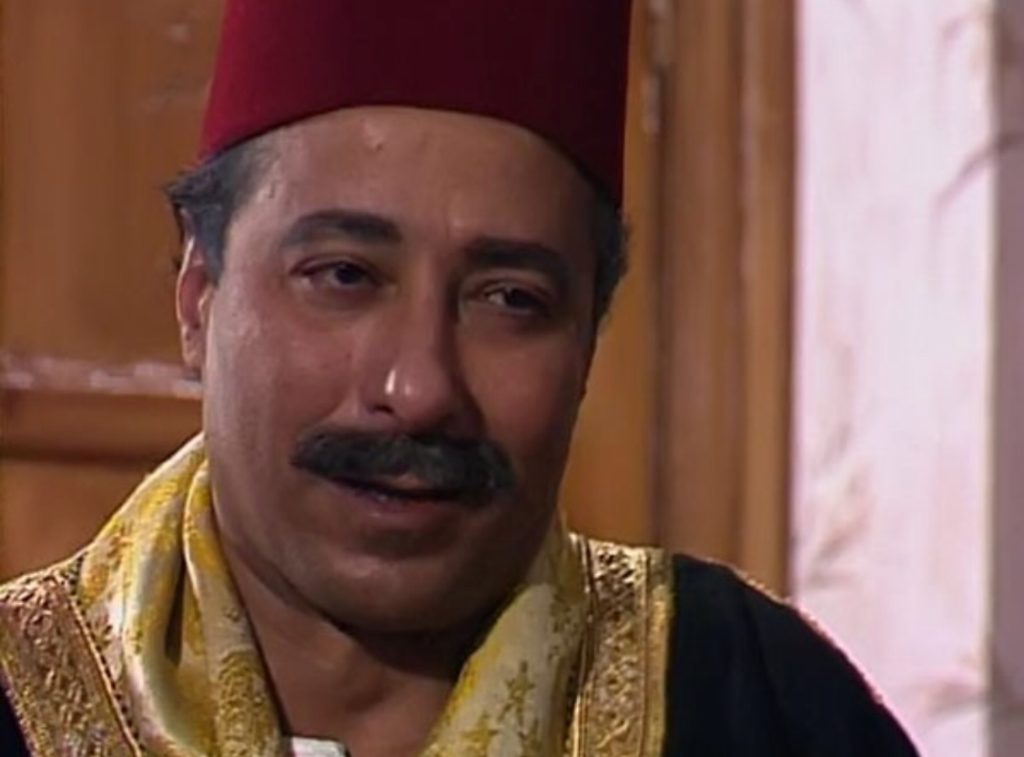
Layali Al Helmeya (Or Al Hemiya Nights) is a classic Egyptian drama series set in the early 20th century starring Yehia El Fakharany and Safia El Emari. The show follows the lives of a group of people living in the Cairo neighborhood of Helmeya, and tells a story of vengeance that extends to the textile industry after a man buys shares in a textile company, owned by the son of his father’s murderer.
Al-Taghriba Al-Filistinia (Syria, 2004)
Al-Taghriba Al-Filistinia, which translates to “The Palestinian Diaspora,” is a Palestinian drama series that tells the story of a family forced to leave their home in Palestine during the Nakba in 1948. The series follows the family as they struggle to build a new life , and explores displacement, identity, and loss. Perhaps Hatem Ali’s masterpiece with a masterful performance from Khaled Taja, the show is renowned for its heartfelt look at the Palestinian experience, in all its heartbreak.
El Kabeer Awy (Egypt, 2010 – 2023)
Inspired heavily by Ahmed Mekky’s films, the long-running Egyptian comedy series that began during Ramadan 2010 follows mayor of a village in Upper Egypt learns that he has a sibling living in America. He encounters various funny situations when his American sibling decides to become a mayor, too.
El Mal We El Banon (Egypt, 1992)
That title itself is legendary—a quote from the Quran that warns against the folly of greed, El Mal We El Banon, or Wealth and Children, is a morality play following two different families on opposite sides of the social spectrum who are caught in a conflict that ultimately becomes a cautionary tale.
Al-Keif (Egypt, 2016)
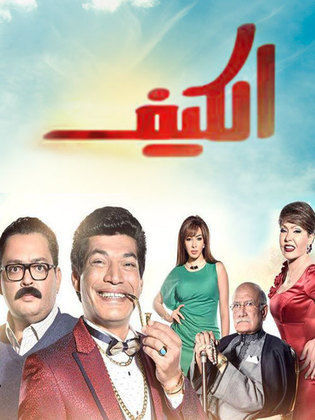
Based on the acclaimed film of the same name, El-Keif is an Egyptian drama series that follows the lives of drug addicts and their families. The series tackles social issues related to addiction, treatment, and rehabilitation, and focuses on the conflict that those dire circumstances create.
Al Prince (Egypt, 2020)
Within the framework of classic Egyptian social drama, the events of the Mohamed Ramadan-fronted series revolve around the Prince family, namely Radwan El Prince, who shares many family social relations between him and his family, after the death of his parents, and finds himself responsible for all those around him.
Watch on MBC Shahid here.
Al-Andaleeb Al-Asmar (Egypt, 1999)
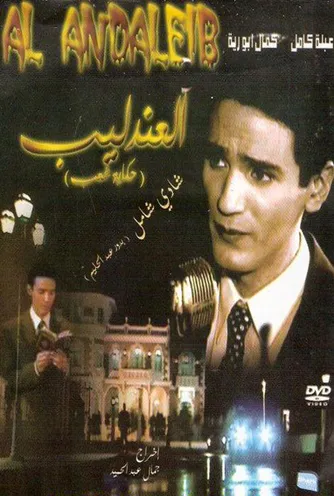
While not hugely acclaimed, Al-Andaleeb Al-Asmar, which translates to “The Black Nightingale,” is an Egyptian drama series that follows the life of the famed singer Abdel Halim Hafez and the obstacles he faced, both personally and professionally, from his early days as a substitute to an iconic star in has his own right, bigger than perhaps all others.
Al-Zeer Salem (Egypt, 2000-2001)
An acclaimed historical series that follows the character of Al-Zeer Salem, whose story took place in the pre-Islamic era. and also covers the events of the Al-Basus War, starring alloum Haddad، Farah Bseiso، Abed Fahed، Jihad Saad، Samer Al Masri.
Tamer Wa Shawqeya (Egypt, 2006)
Tamer Wa Shawqeya is an Egyptian romantic comedy series that tells the story of a young man and woman who fall in love despite their families’ disapproval. The man is named Tamer, a lawyer from an aristocratic family, and Shawqeya, a simple girl who works as a teacher.Khawatir (Egypt, 2005-2010)
Haza Al-Masaa (Egypt, 2017)
The statement “Everyone has three lives: a public life, a private life, and a secret life” is paraphrased in the social drama series “Later Tonight.” The show follows characters who lead multiple lives, including a public life that society accepts and admires, a private life that remains hidden behind closed doors, and a secret life that reveals their deepest secrets, which could be exposed at any moment.
The series provides an explicit glimpse into the personal lives of these different personas, showcasing their interests, concerns, fears, and aspirations. Each episode takes viewers on a journey to explore the secret lives of the characters, leaving them eager for more information that will eventually resolve conflicts and expose truths. Additionally, the show addresses public concerns about the invasion of personal privacy caused by technological advancements and how society’s immersion in the virtual world can have severe consequences.
Al-Shahroura (Egypt, 2011)

Al-Shahroura is an Egyptian drama series that aired during Ramadan starring Carole Samahat as legendary Lebanese singer Sabah that follows the life of the talented young singer who rises to fame in the music industry. The series addresses social issues related to the entertainment industry and features original music compositions. The series did not get the cooperation of the family, who
Ayza Agawez (Egypt, 2010)
In “Ayza Agawez” (which translates to ‘I Want To Marry’ in English), Hend Sabri plays Ola, a 30-year-old woman who desperately wanted to find a partner. A laugh-out-loud comedy of errors that was emotionally honest and relatable for young women across the Middle East, the show capturing the pulse of society in a way few series are able to, and remained popular enough over the years that Sabri was able to return to the role in 2022’s Netflix hit Finding Ola.
Al-Ekhwa (Egypt, 2014)
Al-Ekhwa, which translates to “The Brothers,” is an Egyptian drama series that tells the story of five brothers who face challenges related to family, business, and love. The show features a strong ensemble cast and explores the ideas of loyalty and betrayal.
“Five brothers inherit a big fortune from their father Farid Nouh, then the illegitimate daughter Mira shows up to take over the fortune based on a video where her father leaves the largest share of his wealth to her. The events continue with conflicts and plots shaking the family home,” reads the official description.
Khawatir (Saudi Arabia, 2005-2015)
Khawatir is a Saudi television program that combines travel documentary and talk show formats. The host, Ahmed Al Shugairi, travels to different countries and covers cultural, social, and historical topics.
El-Wad Sayed El-Shaghal (Egypt, 1981)
While not a series, El-Wad Sayed El-Shaghal is an Egyptian comedy film based on the play that has become a classic Ramadan staple, so has to be included. The movie follows the misadventures of a young man who starts a job at a radio station, starring the iconic Adel Emam.
Lan A3eesh Fe Gelbab Aby (Egypt, 1995 – )
I Won’t Live in My Father’s Robes, or Ln A3esh Fe Gelbab Aby, is an Egyptian drama series that tells the story of a young woman who challenges traditional gender roles by pursuing a career in journalism. The show addresses issues related to women’s rights and empowerment.
Ramez Qirch Al-Bahr (Egypt, 2014 – )
Ramez Qirch Al-Bahr is an Egyptian prank show that airs during Ramadan and features a series of elaborate practical jokes played on unsuspecting celebrities. The show has become known for its over-the-top stunts and shock value.
It may not be the most acclaimed or respected show on the list, but it sure is one of the most viewed, with millions and millions watching each episode to now, so we have to include it.
Seriously, here’s the latest season’s trailer:
Hekayat Banat (Egypt, 2012-2020)
Hekayat Banat is an Egyptian drama series that follows the lives of four young women from different social backgrounds. The hugely popular show issues related to family, friendship, and personal growth.
Khaly Balak Mn Zizi (Egypt, 2022)
A recent acclaimed hit that will see the squad behind it reteam for an new series in 2023, this MBC series follows a ‘nervy young woman’ who, after lashing out at her husband and causing him severe injury that amounts to a felony, embarks on a journey to prove her innocence.
Kafr Delhab (Egypt, 2017)
An extremely unique series in the history of Ramadan shows that has a huge fanbase, the series, set during ancient times, follows a village inhabited by a demon named Delhab. In it, Saad the physician finds that a girl was killed after being raped and her spirit returned to curse the village and take revenge.
Khatoun (Syria, 2016 – )
From writer-director Tamer Ishak, story of a girl from Damascus (Khatoun), who was driven by love to rebel against the prevailing values of Syrian capital’s society, which led her to face great confrontations, while the views of women around her varied between those who supported her, and others are forced to implicate her and kill her.
Diary of a Very Angry Wife (Egypt, 2015 – )
This series follows a journalist couple who work for the same newspaper agency get into a conflict when they have different views regarding a significant political revolution.
There we go everyone, that’s some of the most popular shows in Ramadan series history–and far from exhaustive, with many popular shows left off. Do you have a favourite that wasn’t on here? Let us know on social media!
Ramadan Kareem everyone!