

For basketball fans, Isiah Thomas needs no introduction. For the uninitiated, let’s clue you in: Thomas is undoubtedly one of the greatest players in history, a Hall of Famer who won two NBA championships, an NCAA championship, an NBA Finals MVP, a 12 time NBA All-Star, and more–even coaching the All-Star Game as a coach in 2003.
He’s also one of the focal points of the Michael Jordan documentary series The Last Dance, which renewed their (ongoing) rivalry for the world and reigniting interest in that fascinating era of the NBA.
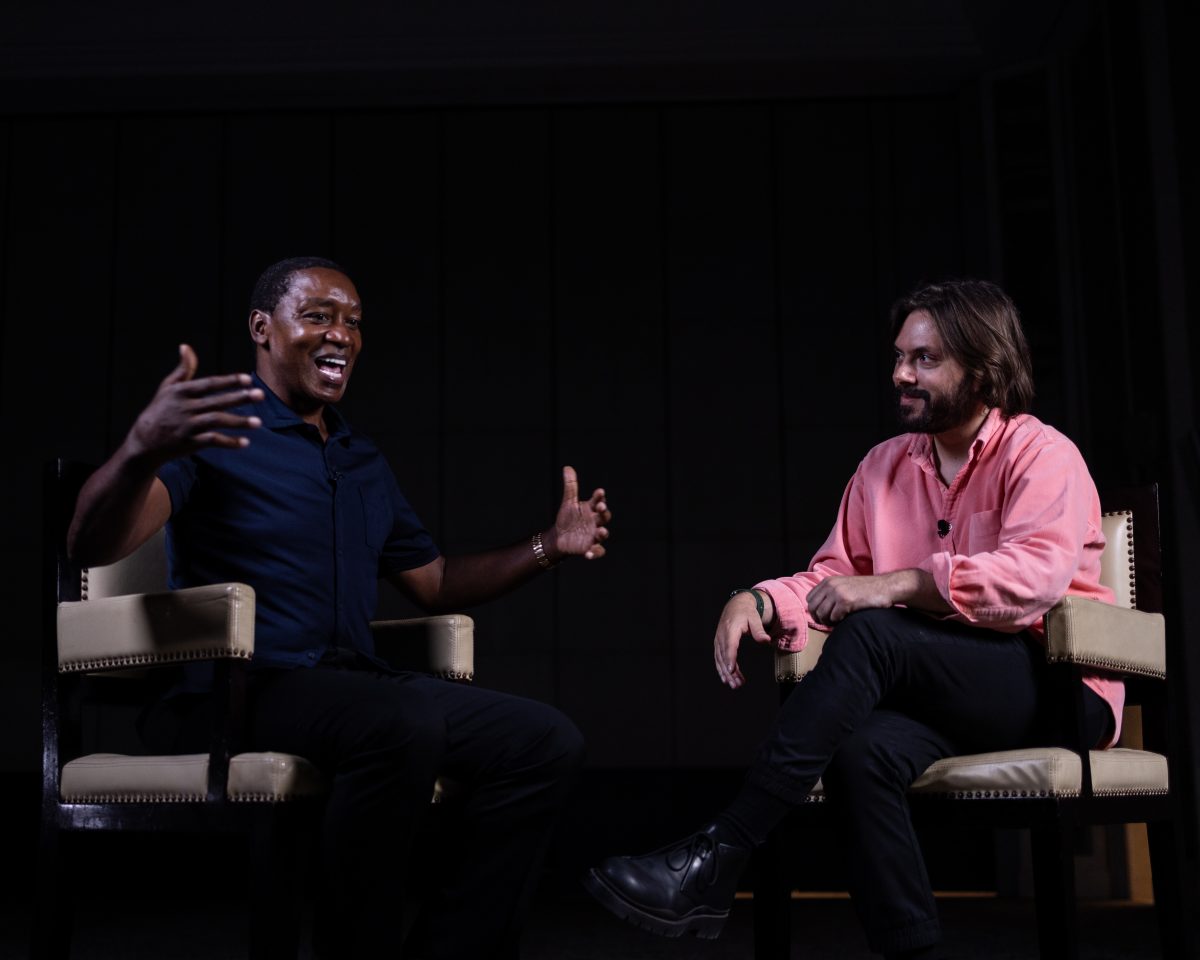
During the NBA’s debut in Abu Dhabi, Esquire Middle East sat down with Thomas to discuss his career, growth as a person, as well as LeBron James’s desire to own a team in Las Vegas, making his desires known last week in the city.

Read our full interview with Isiah Thomas here:
ESQ: William Faulkner once said, ‘the past is not dead. It’s not even the past’. I feel like that rings very true. Because your accomplishments, and your contributions to this game, feel very present now, as well as just you as a figure. Your legend looms large over the league today. So it means so much to have you here at the NBA’s debut in Abu Dhabi.
Isiah Thomas: Thank you. I’m honoured by the compliment. Thank you.
ESQ: We’ve revisited who you were at the peak of your career, so many different times, whether that’s somebody else telling your story, or you telling it yourself.
What are the ways that you still think about yourself at that time? And how do you see yourself as having grown and changed from the man that you are? Do you feel like that guy is still inside you?
Isiah Thomas: Oh, yeah, that guy’s still inside me. I mean, it’s me. The dreamer. The ‘I believe I can do it’. The ‘no mountains too high to climb’. It’s like, okay, I want to climb it. And if I fall, okay. Try again, you know That’s me. And I liked it that way.
ESQ: You always took things personally, and the league itself felt more personal at that time. The interpersonal relationships were based on what happened on the court first and foremost.
Isiah Thomas: Yeah, and winning is personal. I mean, this is a highly competitive sport. When you compete against your opponent, you have to find ways to beat the opponent, whether it be mentally or physically. And I wasn’t someone who could dominate physically, because the game wasn’t set up for my physical stature. It was set up for the big people to dominate with their weight, with their size, and I had to be able to intimidate guys of all size. I had to find a way to mentally beat them. Because I wasn’t going to beat them physically with y physicality, it just wasn’t going to happen. I had to find a way to compete and win, you just get ran over. And I wasn’t about to get ran over.
ESQ: So much of what was happening is still so present, too, whether that’s with MJ, Larry Bird, or Magic Johnson. Do you feel that people might misconceive those relationships as they stand today in any way?
Isiah Thomas: I would answer that question this way. To those who may not like me—I would have to lose to them, for them to like me better. Had I lost to those three guys, they woud. But because I beat them, you probably don’t like me as much.
They like all the other guys that they beat. But they don’t like the guy that beat them. And I’m good with that. That’s not everybody. That’s just a few.
ESQ: I know you have a huge respect for LeBron. I feel like there’s other another battle is happening now. Like LeBron has been very vocal about wanting to own a team in Las Vegas. How do you feel about that initiative of his?
Isiah Thomas: You started out with Faulkner, right. We are vast. We contain multitudes, and we are not just a number on a jersey. We live outside of the arena too. His aspirations of wanting to own a team and making it known that he wants to own a team–He’s no different than Jeff Bezos, who just said he wants to own a team and the other guys who want to own a team. And there are people here in Abu Dhabi who want to own a team. He should be able to say that. I’m happy that he voiced it. And he put it in the universe. And he should be allowed to say, ‘I want to own a team’ just as the guy down the street who has a billion dollars can say, I want to own a team. It’s no different.
ESQ: It’s slightly different.
Tell me why.
ESQ: Historically, I feel like players have been marginalized in certain ways. And they’ve really fought against that. And I feel like he deserves to voice his desires on this a bit more than people off the street like me.
Isiah Thomas: Well, we have to quantify deserve, and what that brings along with it, because, yeah, he deserves it. Because the time on a job, he’s worked in the industry, his experience in the industry, his knowledge of the industry, his contribution to the game, the globalization of the game, the amount of money that he’s raised for the game. So those would be some reasons why that you would say, he should be at the front of the line as opposed to someone else. But if you don’t, if you don’t put all those reasons along with it, and just say he deserves it, then you’re talking about number six in the jersey as opposed to the person.
ESQ: Great talking to you.
Isiah Thomas: Thank you so much!