
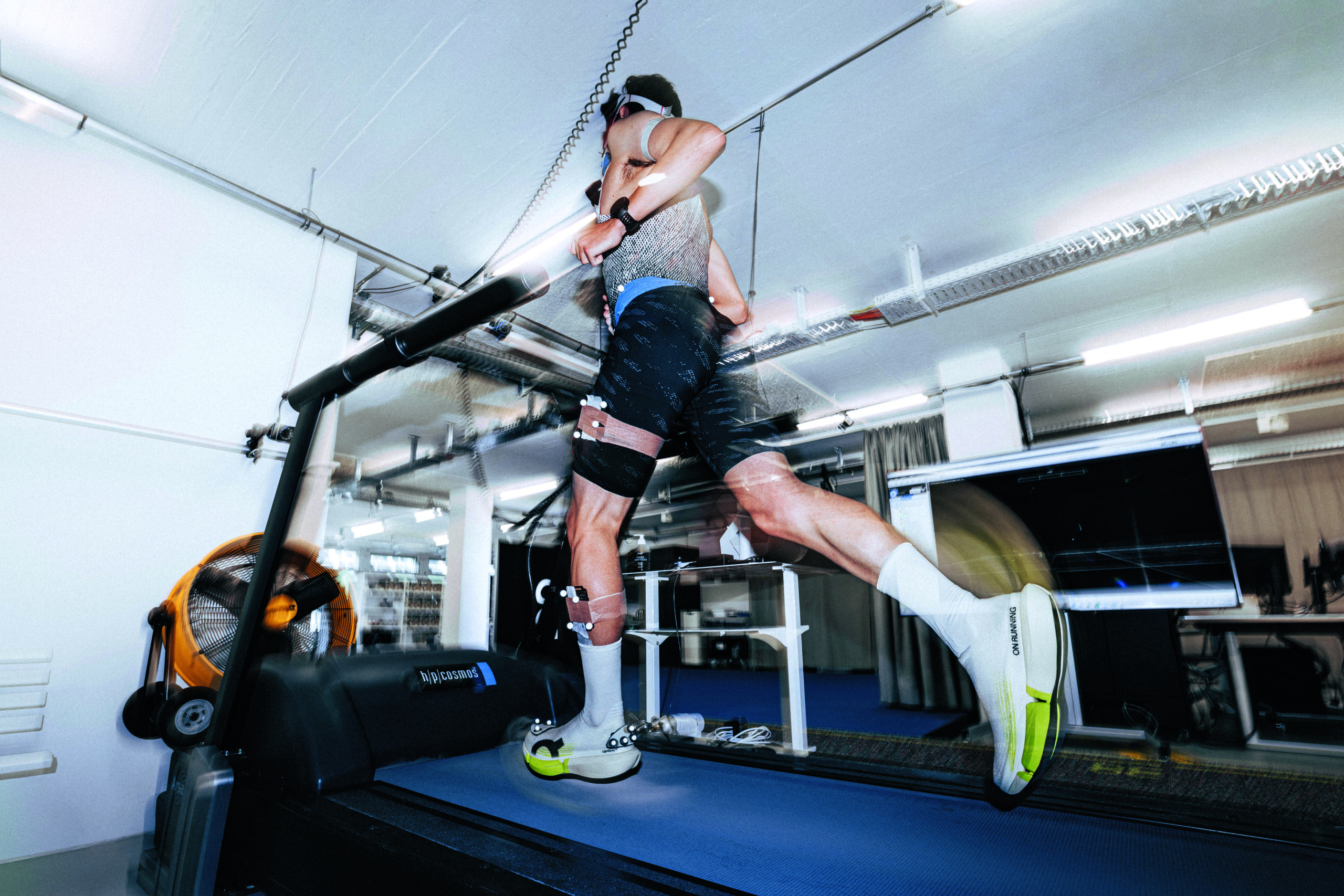

Inside On Labs in Zurich, robotics sit alongside handmade prototypes. In the Makerspace, engineers build and rebuild shoes by hand, while on another floor, a 10-camera motion-capture system tracks a runner on a treadmill, breaking movement down frame by frame. Elsewhere, robotic legs replicate the repetitive demands of running, simulating roughly 250 kilometres of ground contact. Foam is engineered down to its smallest details; materials are tested, refined and reworked. It is less a traditional sportswear laboratory than a playground for what comes next.
The thinking behind On’s approach today started with a surprisingly simple experiment. In 2010, former professional triathlete Olivier Bernhard began experimenting with pieces of garden hose, attaching them to the outsole of a prototype as he searched for a different way for the foot to land and push off. That early experiment became the foundation for what would evolve into CloudTec®, the cushioning system that helped define On’s approach to running.
More than a decade later, that willingness to question what a running shoe is supposed to do remains central to the company.
“In 2010, runners still had to decide whether to go out in a comfortable training shoe or a fast racing shoe,” says David Allemann, co-founder of On. “My co-founders Olivier Bernhard, Caspar Coppetti, and I believed we could solve a problem that others had ignored.”
The result was a different proposition for the running shoe: that comfort and performance did not necessarily have to exist at opposite ends of the spectrum.
Since then, running technology has accelerated dramatically. Super foams, carbon plates, biomechanics and increasingly sophisticated data have pushed footwear into territory that would have seemed improbable a generation ago. The question now is what comes next.
Walking through On Labs, it becomes clear that the answer isn’t necessarily another piece of technology added to the shoe. Much of the work is happening upstream, in the materials, manufacturing processes and testing methods used to create it.
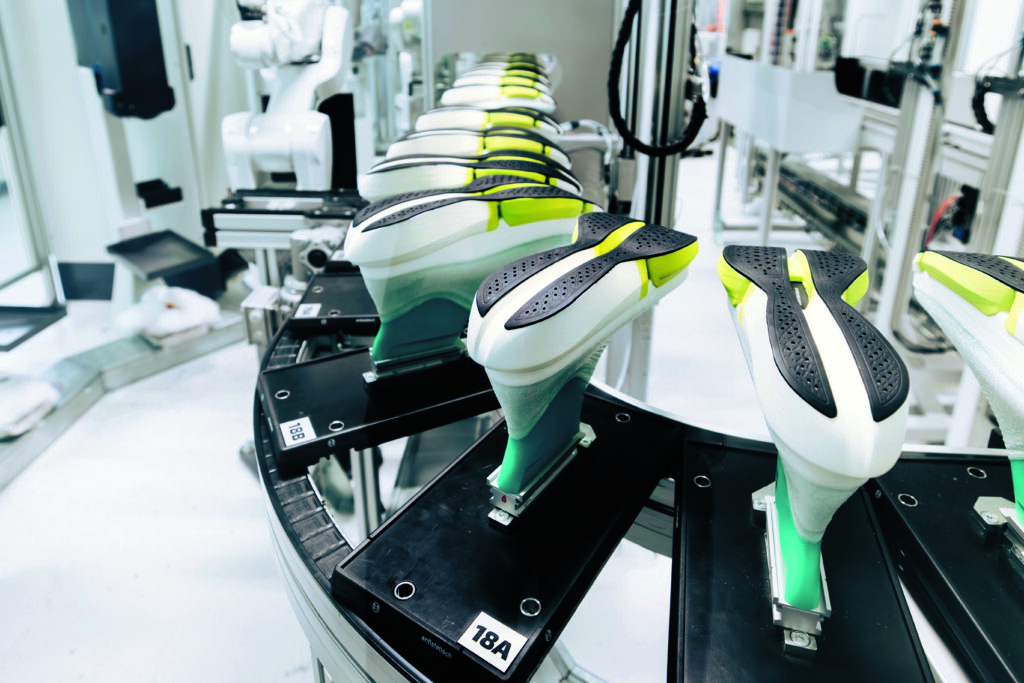
One example is LightSpray™, On’s latest manufacturing technology. It uses robotics to create a shoe upper from a single continuous filament rather than assembling it from multiple materials and components. The machine does not simply make the process faster; it changes the construction itself, offering a glimpse at how footwear manufacturing could evolve alongside the products it produces.
“In the Swiss tradition of ‘form follows function,’ we don’t believe in hiding our engineering, but every innovation must solve a real problem,” says Allemann. “It has to have a functional purpose.”
That idea is particularly relevant as running technology becomes more sophisticated. There is no shortage of new materials, structures and data-driven approaches competing for attention. The harder question is whether each new development actually changes the experience of running.
“If a technology doesn’t provide a superior runner’s experience or meaningfully reduce our environmental impact, it doesn’t make it to the starting line,” Allemann says.
The environmental question is becoming harder for the wider sportswear industry to separate from performance. New materials and manufacturing techniques have to be considered not only for what they can do on the road, but for what they require to produce and eventually replace.
That is where the laboratory becomes more interesting than a showcase of finished products. The work is not only about finding the next foam or building a faster shoe. It is also about reconsidering how a shoe is constructed in the first place. And the changes happening in running extend beyond the technology itself.
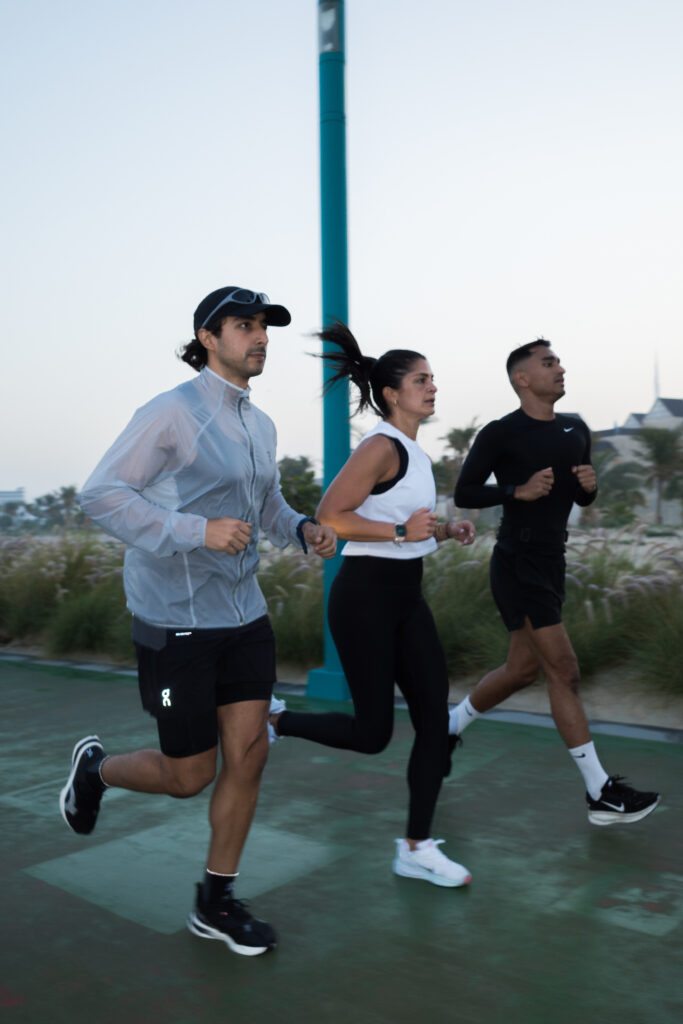
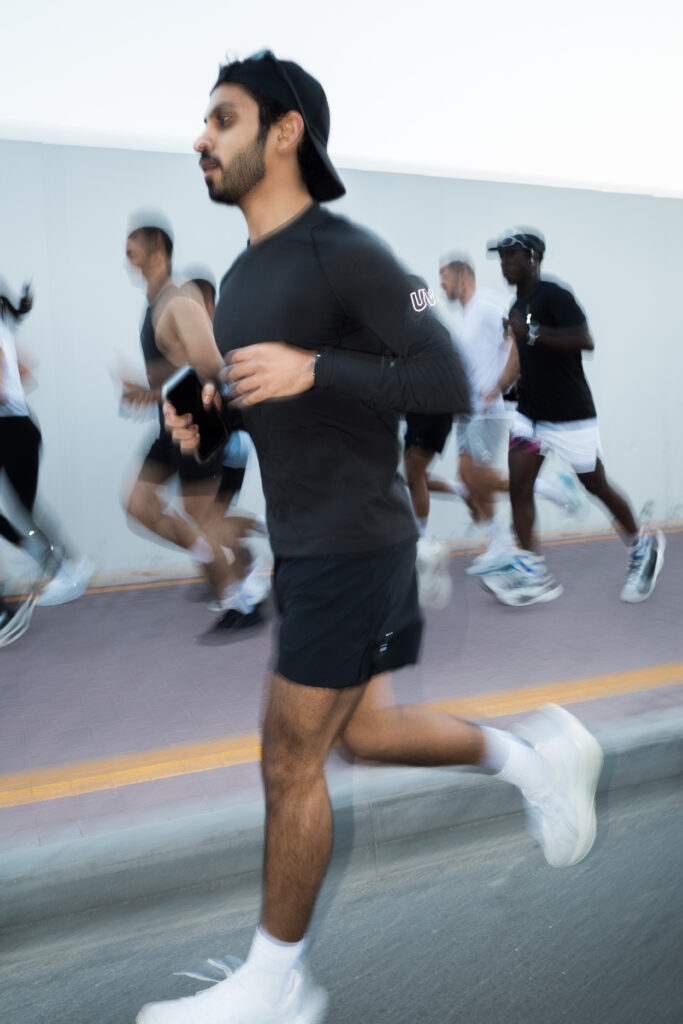
Running has become part of a broader movement toward exercise as a lifestyle. The same shoes worn for a morning run can appear in the office, on a flight or at dinner. Performance apparel increasingly crosses into everyday wardrobes, while fashion continues to borrow heavily from sport.
“Running is our core, our foundation,” Allemann says. “But our mission to ignite the human spirit through movement goes further.”
That expansion creates an interesting challenge for a company that built its reputation by doing things differently. On is no longer the outsider taking on established running giants; it is now one of the industry’s most closely watched players. The question is whether a company can retain the curiosity and speed of a start-up while operating on a global scale.
“We still operate like a group of explorers,” says Allemann. “The challenge today isn’t just about disrupting a market; it’s about maintaining our start-up agility and innovative spirit as we scale.”
Back inside the lab, that explorer mentality is perhaps easiest to understand in the things that will never become products. There is no single breakthrough waiting at the end of the process. Instead, there is a constant cycle of testing, questioning and starting again.
Perhaps that is where the future of running is heading: not toward one revolutionary shoe, material or technology, but toward an ongoing experiment in how humans move.
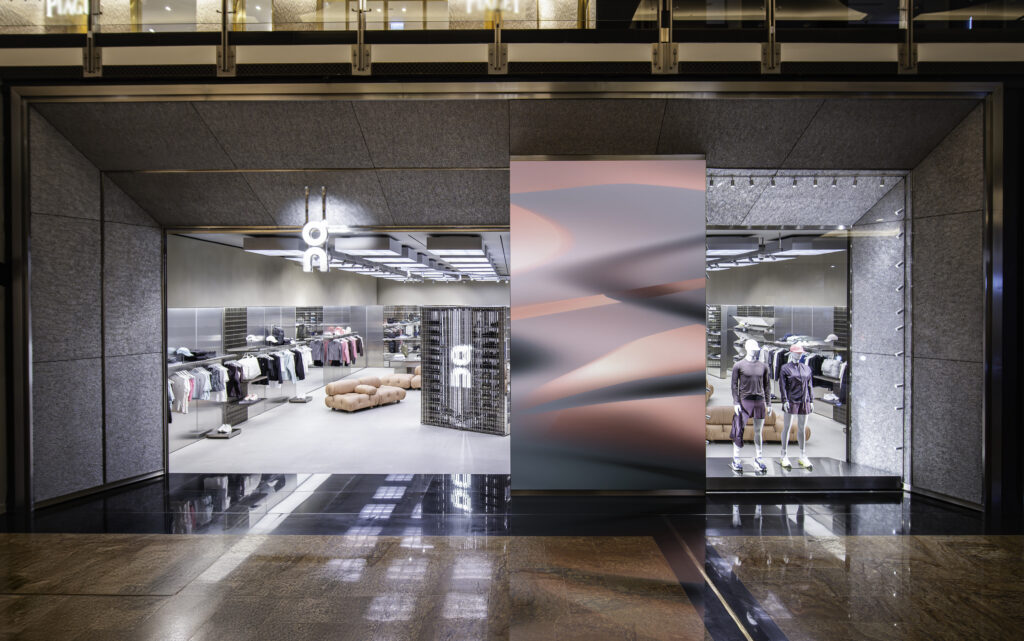
On’s ambitions are also taking shape closer to home in the Middle East. The Swiss premium sportswear brand has opened its first-ever UAE store at the Mall of the Emirates in Dubai, marking a significant step in its expansion across the GCC and its commitment to the region’s growing community of runners and movement enthusiasts.
Following openings in Riyadh and Kuwait, the Dubai boutique is On’s third store in the region, with nine more GCC locations planned over the next two years. The 265-square-metre space is designed as more than a retail destination, bringing the brand’s focus on community, innovation and movement into a physical setting.
Visitors can explore On’s footwear, apparel and accessories across running, training, tennis, outdoor and everyday wear. In many ways, the store reflects the same philosophy driving the work in Zurich: creating products and spaces designed around how people move.