

All great songs travel. Propelled by tune and talent, they fly above the radar and over borders regardless of language. Propelled by the talent and conviction of their creators, they fly above the radar, crossing borders to achieve the sort of international acclaim that makes the world feel (and sound) that much smaller and, dare we say, in tune.
Afrobeats, is catchall term for the assortment of African-inspired, turn-up classics that often found blaring in nightclubs on both sides of the Atlantic – and it is having a moment.
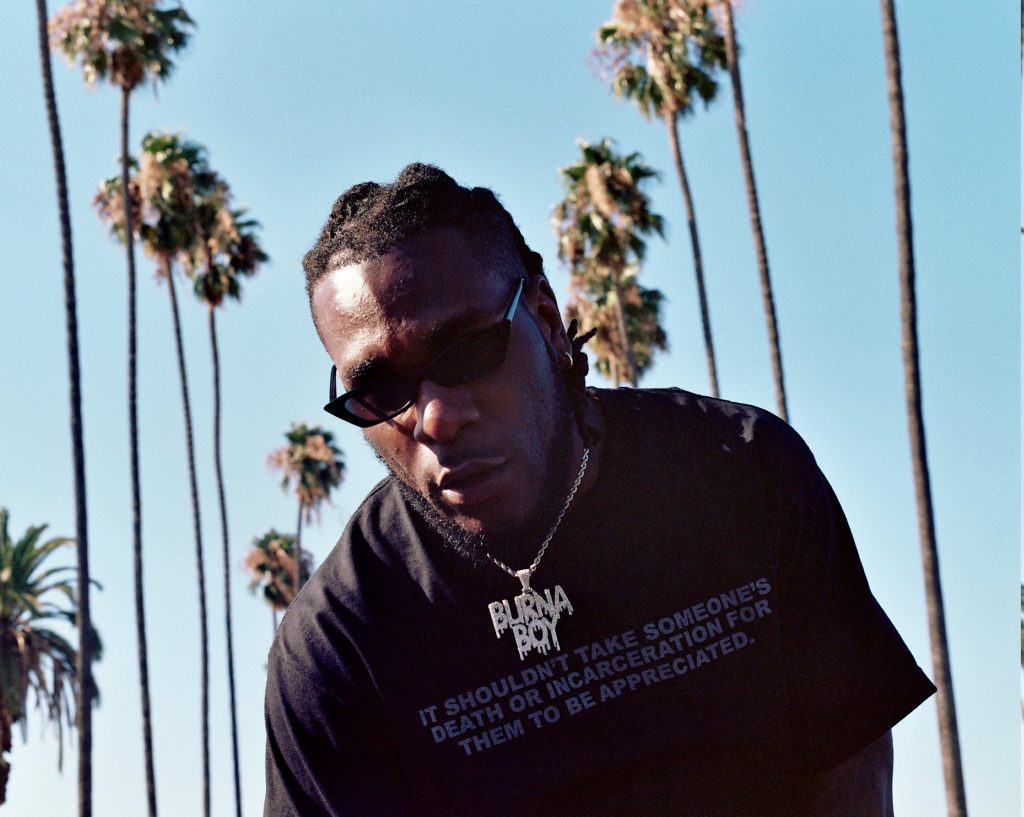
Ranging from cooing, uptempo ballads to rousing street anthems, an increasing number of songs have garnered global success in recent years. What was once a largely local industry has extended its reach to resonate with an audience as broad as its offering. Today, the UAE’s radio waves are no stranger to Burna Boy or Baddo, as are South American sound systems.
In Europe, the success of a night out in Cologne lives and dies by the number of Wizkid records are in the rotation. While, broadcasting from London, Eddie Kadi hosts the BBC’s official Afrobeats chart show. In short, when it comes to Afrobeats, the world pretty much appears to be on the same wavelength.
This marks an interesting cultural shift.

Notably, in the Middle East and North Africa, Afrobeats has gained a large following. In urban areas the genre has become so ubiquitous in some Middle East cities that it is not uncommon to be dining at a five-star Japanese restaurant with the background music being a playlist by Phyno or Mr Eazi – new soundtracks adding an African flavour to the typical ‘Izakaya’ dining experience.
With a growing sense of authority fueling Africa’s young pool of creatives, there is a feeling that cultural output from the African continent is finally being give its dues. The widening of the appreciation of “third world” artistry is as much an expression of African pride, Afrobeats now sounds off on this culture shift with the genre’s championing Black identity and positive attitudes to the African diaspora.
Afrobeat in Dubai
In Dubai, the voice of weekday mornings on Virgin Radio is Sheena Kay. The DJ maintains a sturdy finger on the pulse of the region’s music scene, and is also a fan of Afrobeats, suggesting that regional demographics have a considerable bearing on what’s deemed “hot” and not on the airwaves.
“I definitely think the diversity in the UAE plays a large role in the popularity of Afrobeats,” says Kay. “Not only with the population of Africans, but with the array of nationalities whose cultures are rooted in this rhythmic music style.”
From Egyptian music to Indian Bhangra; North African Rai to Khaleeji beats, she believes that much of the music played and heard locally has a similar ‘heartbeat’ to Afrobeats. “What is also notable in the UAE is the appreciation for Afrobeats in UK culture has also had an affect, with Dubai’s British expat population happy to embrace their love for the genre’s feel-good vibes. A lot of music that gets played here is often influenced by British charts and trends,” she explains.
Home to more than eight million expats (88 per cent of the population), the multicultural make-up of the UAE has no doubt had a positive effect on Afrobeats’ crossover appeal.
That the local soundscape has evolved to reflect such a combination of cultures comes as no surprise: there’s a direct correlation between the diversity of a community and the art it celebrates. This is especially true for the UAE and its relationship with contemporary West African music. Approximately 20,000 residents hail from Nigeria and upwards of 100,000 Nigerians visit the country every year (prior to COVID-19 and the tightening of flight restrictions).
Diversity, however, is not the only—or even primary—reason for Afrobeats’ success across the GCC and wider Middle East. Kay offers another explanation: DJs.
“A lot of credit is owed to popular DJs in the region who champion Afrobeats,” she insists. “People like [DJs] Dany Neville and Rone Jaxx. These guys have exposed listeners to the genre during their sets, endearing new audiences to the sound.”
Tellingly, the Canadian-born presenter recounts: “I remember a time when Rone would play Wizkid’s ‘Ojuelegba’ at a club and people who’d never even heard the song would just swarm the dancefloor. By the next week, when it would come on again, everyone would sing the lyrics word for word—even if they didn’t understand them!”
The fashion photographer turned DJ, Tumi (also known as DJ Don’t Touch My Hair) has also played her part in raising the regional profile of Afrobeats. Like Kay, she credits DJs with introducing Arab audiences to new artists such as Omah Lay and Amaarae. She asserts that opening fans’ eyes and ears to more exotic sounds and less familiar styles is a professional “responsibility”.
Tumi echoes Kay’s takes on the diversity in the region, paying particular attention to the influence of African expats. “The UAE,” she says as an example, “has been enriched by an influx of third culture kids and Africans,” says Tumi. “The Afrobeats culture was grown here by Africans who were either born in or relocated to the region to live and work.” This is an important, and deeply personal point, for the Omani DJ.
Underlining the importance the African diaspora has been to raising regional awareness of Afrobeats, she explains what the growth of the genre means to her — as a self-identifying Black Arab. “I’m so happy being Black and African,” she says. “I genuinely grew up questioning so many things about my African side, and why I wasn’t a ‘pure Arab’.”
“Growing up thinking you’re second class because you’re not ‘fully’ one ethnicity was tough. But the beauty in pain is that, somehow, it always becomes art. I may not have grown up being the most proud of where I come from, but the way we, as Africans, are now at the pinnacle of beauty and youth culture makes it all worth it,” says Tumi. “As a younger woman, seeing African culture being celebrated, uplifted and loved, made me want to love myself even more.”
According to Mark Abou Jaoude, music lovers — like Tumi — are being given greater access to safe and welcoming spaces online where they can explore genres and sounds that speak directly to them. Also known as ‘Mark Shakedown’, Abou Jaoude is an expert in streaming services and a DJ with close to ten years’ experience working as a content lead for platforms Anghami and Deezer. “Streaming services have enabled Afrobeats to travel across the world,” he says.
He states that it is because “fans rely on Digital Service Providers (DSPs) to discover new music and stay on top of trends.” This reliance on DSPs and the access they offer, he explains: “exposes streamers to a broader variety of acts, providing genres like Afrobeats the opportunity to grow in new territories and markets.”
Crucially, Abou Jaoude adds that DSPs have been proactive in curating content that cater to the demands of Afrobeats’ international listenership. “Increasingly, we’ve seen online stores like iTunes and Amazon Music, as well as platforms such as Deezer and Spotify, develop offerings aimed directly at fans. These include dedicated Afrobeats channels, themed playlists, and personalised recommendations.”
Platforms such as Apple Music have done well to increase online engagement, which in turn has helped the genre gain traction with new audiences. “Simply by investing more in the promotion of up-and-coming artists, there will be an organic pick up,” says Abou Jaoude. “Take the artist Tems, for instance. She’s been featured as an Apple Music ‘Up Next’ artist, and that has helped to shine an even brighter spotlight on her.”
In a similar fashion, social networking sites have had a significant role in engineering Afrobeats’ rise to prominence, with TikTok in particular serving as an impressively efficient hype machine for the genre – notably on of songs like CKay’s “Love Nwantiti” and Fireboy DML’s “Peru”.
ElGrandeToto’s remix of the former has not only ingratiated CKay with Moroccan fans, its catapulted the 26-year-old popularity manifesting itself in the creation of the #LoveNwantiti challenge on TikTok, garnering more than 300 million views.
Considering the extent to which records like “Peru” have become such viral sensations, it’s hardly surprising that the PR departments of African music labels are starting to pay more attention to the Middle East. Emmanuella Nnadozie, Head of Marketing and Corporate Communications at Mavin Records, certainly has her eye on the region.
“Our promotions are designed to target radio stations and platforms across the entirety of the Middle East and North Africa,” says Nnadozie. “For us, it’s all about discovery. We want people in the Middle East to learn more about what we have to offer and listen to our artists, so it’s important that we provide fans — whether in Manama or Abu Dhabi — the opportunity to do just that.”
Part of a growing contingent of African industry leaders steering Afrobeats’ expansion into the Middle East, Nnadozie and her team have been hard at work charting a strategic course that has seen Mavin boost the profile of its impressive roster of artists; a lineup of performers that includes Ayra Starr, Rema and Ladipoe.
Ladipoe is at the forefront of a new generation of emcees reaping the rewards of Mavin’s expansiveness. Renowned for the thoughtfulness of his writing, the Lagosian has set himself apart as an agile creative. A flexible craftsman with an unbending devotion to reframing perceptions of African rappers. At home and abroad.
Owing to the success of songs like “Know You” and “Running”, he now finds himself in a class of African artists beloved by a diverse and global fan base. While some artists intentionally set out to cultivate such a following, the lyricist confesses that he’s taking a different approach.
“It’s never been a conscious thing for me,” says Ladipoe. “I’ve always been focused on honing my artistry and making music that’s true to who I am. However, it’s been amazing to discover that my sound is resonating with people beyond my country and continent. Now, more than ever, I feel the need to connect. I call my fans and supporters ‘lifelines’ — that’s how important they are to me.”
The Middle East has most definitely piqued his interest. The rapper confides that he is increasingly buoyed by the prospect of playing on stage in Dubai or Abu Dhabi.
“It holds a lot of appeal, because I’ve never been to the Middle East before. That’s something I would like to change this year. More and more people are discovering my music there and I want to create experiences with them. While I don’t know a lot about the music scene, I do know the best way to discover it is by going there, immersing myself and linking up with the right people.”
Considering Ugandan, Kenyan, and Senegalese acts — African stars, like Ladipoe — are beginning to climb GCC and Levant streaming charts, and showcases such as the All Africa Festival are now go-to events for influential tastemakers, Afrobeats is set to grow in stature on the global stage. The Middle East, especially, beckons; even with the dissonance between the lived African experience and life in the region.
Whether roused by #EndSARS anthems, moved to a groove by Amapiano’s heady hybrid of house and jazz, or amped by Asakaa, the region — better yet, the world — grows more Afro-centric in taste. Not least with brands and advertisers looking to capitalise on the potential of the African music scene.
Last year, Mavin headliners, Rema and Ayra Starr, were named as Pepsi Nigeria ambassadors. More of these deals and partnerships are expected to be announced over the next 12 months: in the last few weeks, sneaker Twitter has been animated by news that Nike is prepping an Afrobeats-themed edition of Jordans.
This says a great deal, speaking to the cultural cache of Africa’s leading artists. It emphasises just how infectious and universal the music is. Of all the factors that distinguish Afrobeats as such a popular and exhilarating genre, it’s this that inspires such devotion and acclaim.
Ultimately, its songs play like convincing arguments. They make the case to everyone within earshot of their pidgin poetry and thumping drums, that the world’s a dancefloor and there’s never an inappropriate or inopportune time to throw on some dancing shoes. While others might be a little late to the party, the Middle East is laced up, full of energy and showing off its moves.