

As many Arab filmmakers will tell you, there has long been a disconnect between the types of films that the region loves to watch, and the films the region produces. Take horror, for example. Nearly every weekend, regional cinemas are packed to the rafters for the latest horror release, regardless of the budget or country of origin, but regional examples of horror are few and far between—especially in the UAE.
While UAE cinema has taken huge steps forward in recent years, from the work of Nawaf Al-Janahi, Ali Mostafa, Majid Al Ansari, Nujoom Al-Ghanem, and many more, including last year’s huge box office hit Al Kameen, there is still a long way to go before the nascent industry fulfills its potential, especially as opinions have differed behind the scenes on how to do just that.

One Emriati filmmaker, Hana Kazim, a producer on Al Kameen and a horror director herself, believes the best way forward is lean in to exactly what audiences want most, genre filmmaking that embraces what makes these films so universal while also with a character distinctly of the region.
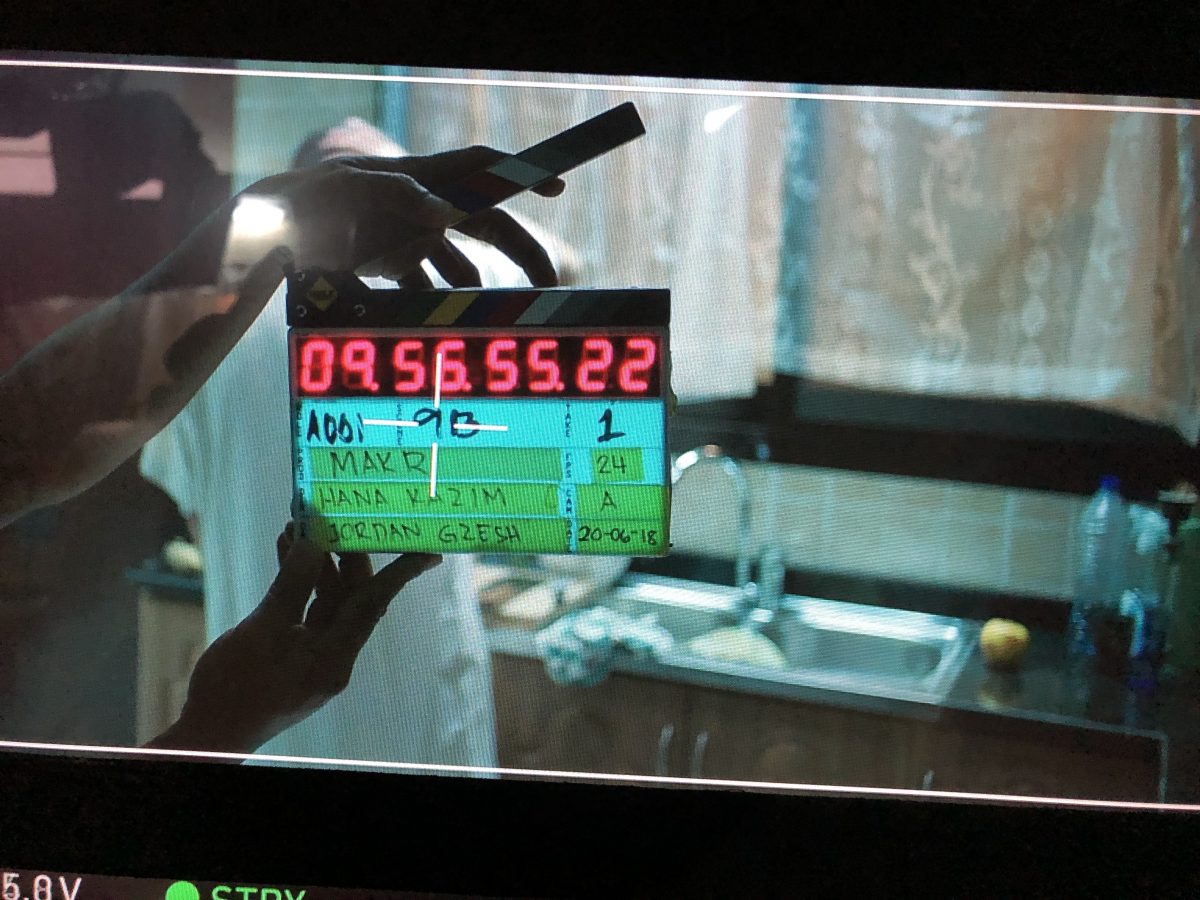
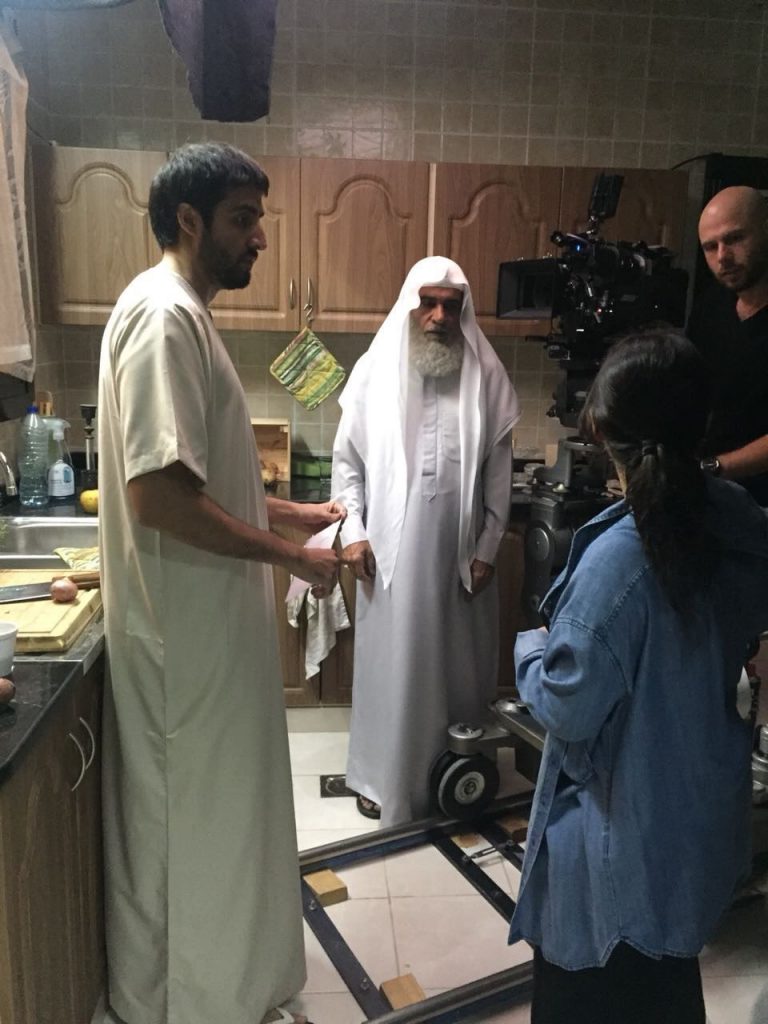
To do that, she’s just launched Wiswas Productions, following the momentum that she established with her acclaimed short MAKR, in an effort to support the careers of the many filmmakers in the region who also have stories to tell in a genre that can do nearly anything. It’s the first horror-focused production company in Abu Dhabi, UAE, and already has a number of projects in the works.
Esquire Middle East spoke to Kazim about the launch, and why the best way to build Emirati cinema in every direction is start with a seemingly unlikely genre.
Read our full conversation with Hana Kazim below.
ESQ: UAE and regional audiences love horror, but with a few exceptions, so little horror has been produced in the region. Why do you think that is?
Hana Kazim: I think many producers have been discouraged from making horror, as historically Arab horror films have failed to bring in the desired results. However, I firmly believe that the reason for that is that horror inherently speaks to a truth, one that needs to be the core of why the horror film is being made. It’s important not to underestimate the audience, you need to give them a valid reason to be scared.
ESQ: When did the Wiswas story begin, in your mind?
Hana Kazim: I wanted to tell stories that mean something, and I feel like I have found that through the horror genre. So it felt natural to start a company targeted to telling those kinds of stories. Coincidentally, horror is also famously inexpensive, and if done right can go very far. My goal is to develop scripts and stories from various voices in the region, and to help them find the truth behind their scares.
ESQ: When did you first fall in love with the genre?
Hana Kazim: Since the days of the video stores. I would rent a whole bunch of DVDs and binge watch horror films on weekends. I still distinctly remember a vampire film I watched at midnight on the old CHANNEL 33, back when I was around 7. I don’t know the name, but I couldn’t sleep at night thinking of the vampire lurking under my bed. Something that can stay with you for that long and creep into your thoughts feels like the ultimate form of art to me.
ESQ: What did you learn from making your first acclaimed horror short, MAKR?
Hana Kazim: That there is definitely an appetite for Arab horror. Having it screen at several acclaimed festivals across the world, distributed on the Alter platform, and picked up as Short of the Week are the obvious successes I am extremely grateful for. But, my favorites will always be the comments and reviews I have gotten as a result, and the badge of honor of having the film trend in Indonesia. MAKR is definitely one of the main sources of encouragement that led me to further explore the genre avenue through Wiswas.
ESQ: UAE storytelling and filmmaking is unique, but even with a number of big hits, still has only scratched the surface. What holds it back?
Hana Kazim: We need further independent sources of funding. Unfortunately, film in this particular region is first and foremost thought of as a business rather than a form of expression, and is being approached as such. This pigeonholes us into trying to include the right ingredients to fit into a mold that make films which will then go on to compete for box office attention from the likes of Marvel. It’s like a toddler trying to run before he/she can walk. We have yet to find our voice in the region, and whether that is through horror or more festival driven pieces, it needs to be something that is molded and nurtured naturally.

ESQ: What else can you tell me about how it’s developed already behind the scenes?
Hana Kazim: I currently have 15 projects from several different Arab countries on the slate, and it’s slowly but surely growing. I’m approaching it collaboratively, giving feedback and working with the writers and directors on their stories until we come to a place where we are both happy with it. Then, I put my producer hat back on and try to find a home for it. One that I have that is ready to pitch is an Emirati found-footage by writer/director AbdulBasett Qayed, both of us are huge fans of found footage and I think we have something that is truly unique.
ESQ: What is your path forward with Wiswas from here? Where do you envision this five years from now?
Hana Kazim: Aside from releasing a few titles, I’m hoping to slowly grow into having a bigger team with various voices that can take on some of the projects and explore horror in its several sub-genres. It would be the ultimate dream to have something we create through Wiswas go into the zeitgeist of popular Halloween costume staples. Something from the region that would resonate with audiences worldwide so much that they then feel the need to embody the villain is the exact sort of success story that I hope for. If Japan can do it, why can’t we?
ESQ: What are your next steps personally as a filmmaker? What stories do you hope to be able to tell?
Hana Kazim: As a writer/director myself, I naturally have a few projects I hope to make soon. Like MAKR, I’ve always been particularly interested in horror from a more human perspective, one where the villain is not necessarily something you see, but something you feel.
Find more on Wiswas here.