


Salik has a potential plan in place to deal with congestion in Dubai’s roads—dynamic pricing—or surge pricing that will spike tolls during rush hour, in certain lanes, and at the busiest times in the day.
“The Roads and Transport Authority (RTA) could implement dynamic pricing through optimising the toll rates depending on the time of the day, for example, by charging a higher toll fee for specific lanes or during peak hours,” the company said in its IPO announcement.
Dubai’s Salik wouldn’t be the first to implement such a plan—that’s already how it works in Dallas, Texas and in Singapore.
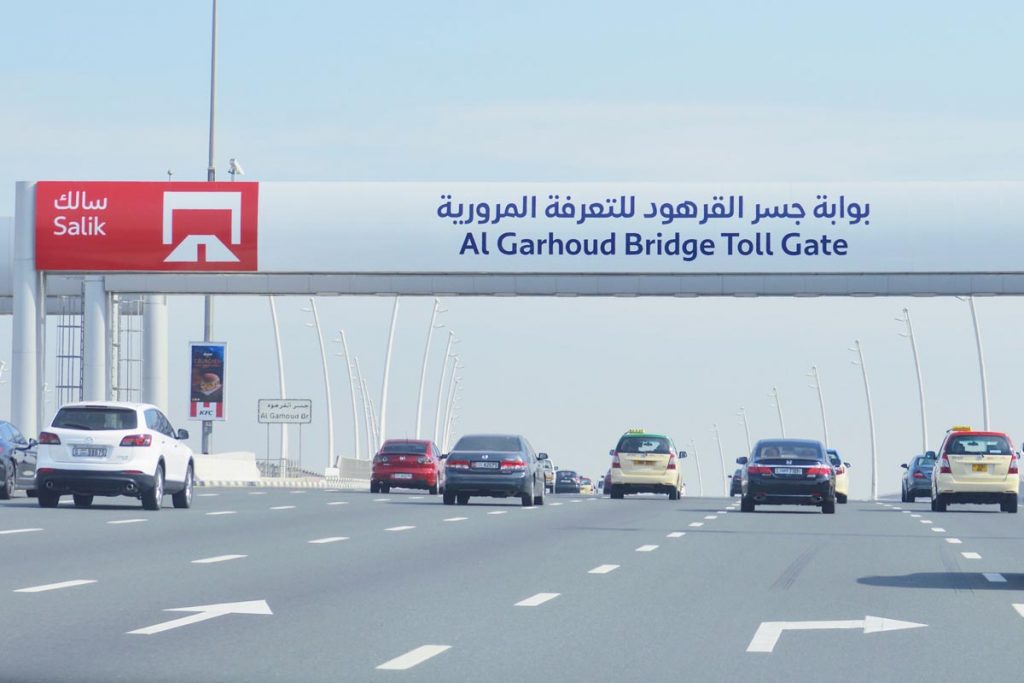
“Currently, we have fixed a fee of AED 4 for Salik. But there are other dynamic systems around the world that charge more during peak hours than off-peak hours. That is called dynamic pricing. This is based on a transportation study that will be conducted by the RTA and Salik to achieve the common goal of seamless transportation in the emirate. All this will be subject to approval from the Executive Council of Dubai,” said Abdul Muhsen Kalabat, vice-chairman of the Salik Board of Directors.
Salik’s big move towards IPO in Dubai
Salik is currently doing studies to decide the best plan of action. Back in June, Dubai said that toll gates may be removed or modified deepening on the Chairman of the Executive Council of Dubai.
Mattar Al Tayer, chairman of the company, said any increase in the number of gates or tariffs would be based on studies that are conducted by the RTA and the company. The Executive Council of Dubai will take a final decision in this regard.
“New toll gates can also be added subject to a decree issued by the Chairman of The Executive Council of Dubai, and after RTA conducts a comprehensive traffic study in coordination with Salik,” the Executive Council of Dubai added.
The firm is aiming to raise around $1 billion with its first IPO, or 20 per cent of the company.
The company currently has a whopping three million registered vehicles that pass through, with 1.8 in Dubai alone. There are eight toll gates under operation. Tehre are plan for more gates coming in the future, but gates typically take around nine to 10 months.