
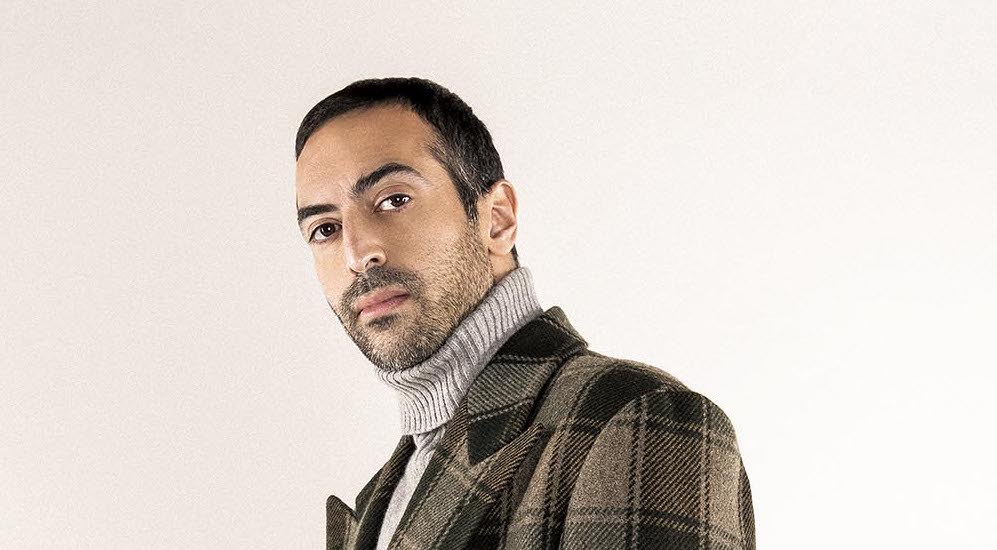
It’s been five years since Saudi Arabia first participated in the Cannes Film Festival, five years since it announced its intention to create the most powerful film industry in the region, and year after year, we’re getting closer to that reality.
At this year’s Cannes Film Festival, six films backed by Saudi Arabia’s Red Sea Film Fund, spearheaded by Mohammed Al Turki, CEO of Red Sea Film Festival Foundation, have earned a prominent place in the festival, with two competing for the Palme D’Or, one marking the first ever Sudanese film in the fest, and one marking the first time an Arab filmmaker has opened the festival–Maïwenn‘s Jeanne Du Barry, starring Johnny Depp.

Al Turki, an influential film producer who took on the role of CEO of Red Sea on May 10, 2022, has long dreamed of elevating Arab and regional voices, especially those of women, that have too often been ignored. With these six films, Al Turki has achieved that, but his journey is just getting started.
Ahead of the festival’s opening tonight, Esquire Middle East caught up with Al Turki to talk about this year’s Saudi Arabia-supported films: Four Daughters by Kaouther Ben Hania, Banel & Adama by Ramata-Toulaye Sy, Goodbye Julia by Mohamed Kordofani, Les Meutes by Kamal Lazraq, The Mother of All Lies by Asmae El-Moudir, and Jeanne Du Barry by Maïwenn.
Read more below.
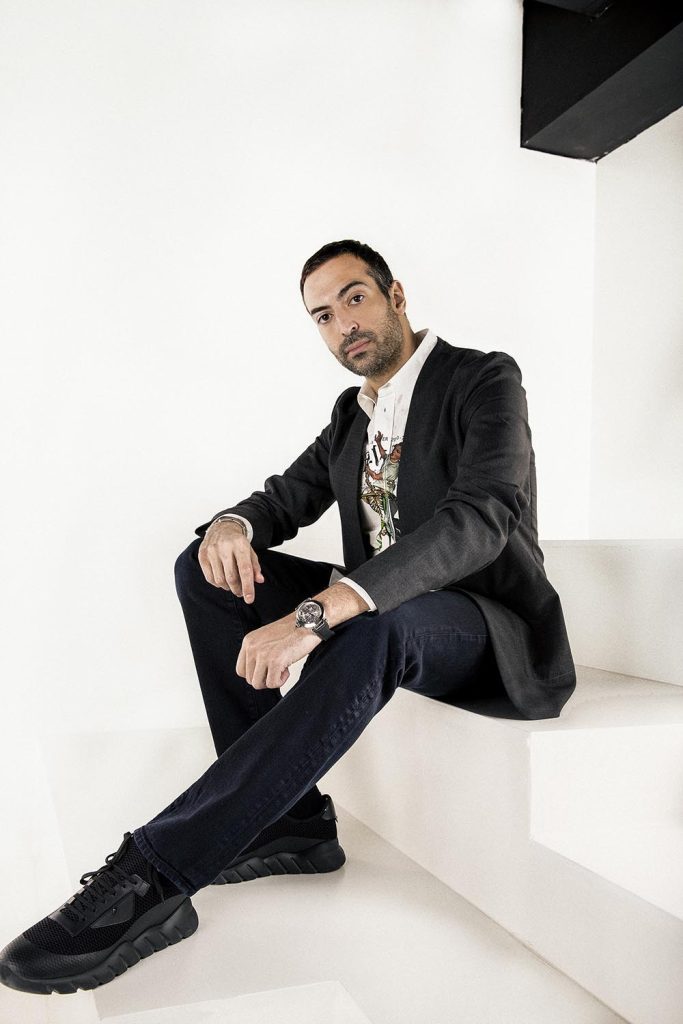
Mo Al Turki speaks with Esquire Middle East
What excites you most about the crop of films selected at Cannes this year that were supported by the Red Sea Film Fund?
Their diversity – there is such a spectrum of creators, some starting out – others veterans of the art, all beautiful projects which are being given an audience in the most prestigious festival of all. Kaouther Ben Hania, one of the filmmaker’s we have supported and admire so much is one of the six female directors in competition for the Palme D’Or this year along with Ramata-Toulaye Sy. With her brilliant film Banel & Adama. We are also delighted to see Mohamed Kordofani’s “Goodbye Julia”, which the Red Sea Fund has supported in two phases of its journey to audiences – and it marks the first Sudanese film to be presented in Un Certain Regard.
Could you tell me the story of how the Jeanne du Barry deal came together? Who approached whom?
We look at so many projects for funding and this one really stood out because the story was beautiful, the director is a female powerhouse and multihyphenate who has an impressive track record behind her. Maïwenn is also of Algerian descent. We wanted to be involved in realising Maïwenn’s dream to highlight Jeanne Du Barry, a name which is largely familiar to students of history but who was a fascinating woman.
Was a potential major slot at Cannes a part of those conversations before Red Sea joined the project, or did this potential opportunity come up only at a later stage?
Not at all, we obviously believed in the project and feel it deserves the honour of the Cannes Opening Night but it was a wonderful surprise to find out it had been selected!
You previously stated that you hoped this was the first of many international films that advocate for women filmmakers that Red Sea could support. Are there any such international projects on the horizon? Do you expect more announcements to come soon?
We absolutely do, and while I can’t share any names just yet we are reviewing some very exciting projects and look forward to continuing broadening the scope of the fund to support female filmmakers from further afield.

What is your greatest metric for success?
Making an impact, spending your time on this earth doing something you love and believe in, and giving back to your community.