
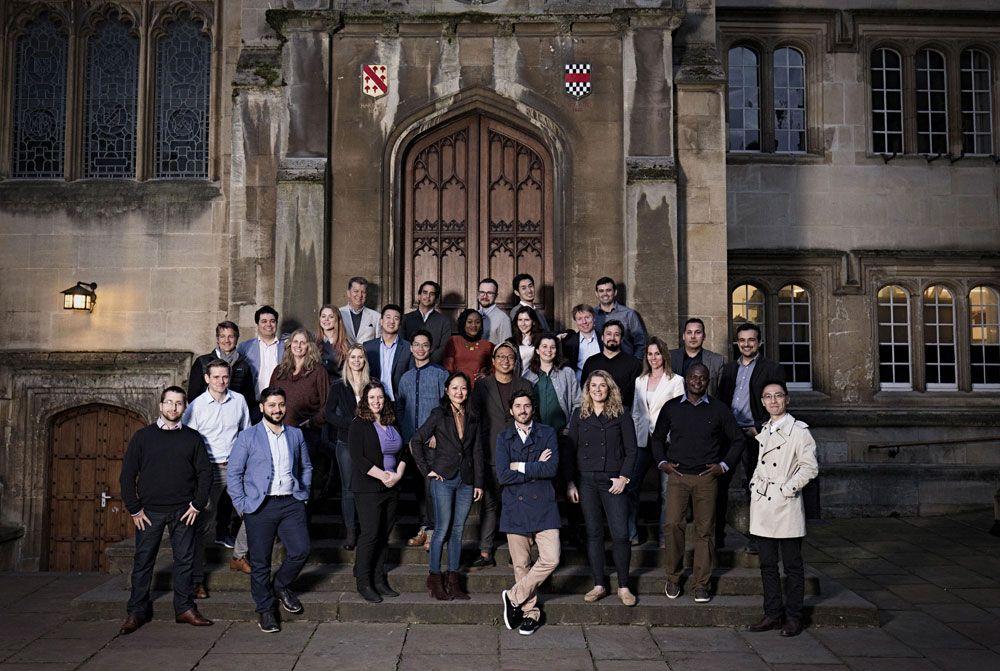

The 30 regional finalists of the Chivas Venture social entrepreneurship competition are preparing for the global finale in LA this summer. Here are ten of those businesses – each with the potential to change the world.
***
Sea Harmony (Bulgaria)
Mussel farms in the shape of vertical reefs help restore marine ecosystems in coastal areas affected by pollution and irresponsible fishing. Mussels enhance water quality for other species to grow, and are also a sustainable source of protein for human consumption.
SENS Foods (Czech Republic)
SENS Foods teamed up with top chef Peter Ocknecht to create protein bars made with cricket flour. By using crickets instead of beef, SENS has saved two tonnes of feed, 700,000 litres of water and greenhouse gasses equivalent to a road trip around the world. SENS now plans to create sustainable, next-generation food products.
Green City Solutions (Germany)
The “CityTree” helps combat urban air pollution by combining moss culture and Internet-of-Things tech to filter fine dust, nitrogen oxides and CO2 from the air. It’s as effective as 275 trees but uses 99 percent less space.
NOW Money (Arabian Gulf)
This mobile banking app is for low-income migrant workers currently excluded from the financial system. It provides them with a current account, as well as a remittance marketplace, where users can compare rates and send money cheaply from the app.
Sanivation (Kenya)
Container-based toilets are installed in homes for free, in return for a monthly service fee. Waste is transformed into a clean-burning alternative to charcoal. These sanitation services are improving health and dignity in urban communities of East Africa,
as well as in refugee camps.
WeaRobot (Mexico)
Affordable exoskeleton technology assists sufferers of mobility loss. They are 46 times cheaper than existing solutions and better tailored to individual needs, as they are created in parts. VR tech also enables physical rehab at home and connect patients to doctors remotely.
African Clean Energy (the Netherlands)
Clean energy products for Sub-Saharan Africa include the ACE 1 Cookstove. This enables safe cooking without smoke emissions, preventing the health hazards that kill four million people annually around the world. The ACE Cookstove also provides solar energy for lighting and phone charging, generating savings for vulnerable households.
NexBio (Poland)
Biotechnology is used to detect crop diseases early, so that more food, of better quality, using fewer pesticides can be produced. A DNA-based approach enables the rapid identification and diagnosis of plant diseases, in a faster and cheaper way than traditional methods. A mobile ‘Lab in a box’ solution is also in development, enabling farmers to conduct pathogen testing directly in the field.
SoWat (Romania)
A portable water purification system turns any source of fresh water into clean drinking water, using a mechanical process with no chemicals. It filters particles, parasites and bacteria, while preserving all the minerals. One SoWat system can produce enough daily water for 5,000 people, at a monthly cost of just Dhs20 per person.
DayOne Response (USA)
The DayOne Waterbag is a 10-litre water back-pack enabling the collection, treatment, transportation and storage of water. It purifies contaminated water into clean drinking water in only 30 minutes. DayOne Response deploys its solution to NGOs and government organisations. Its compact and lightweight format allows fast and cost-effective shipping, which is particularly useful for natural disaster relief.
– – –
For more visit: chivas.com/the-venture
_0.jpg)


